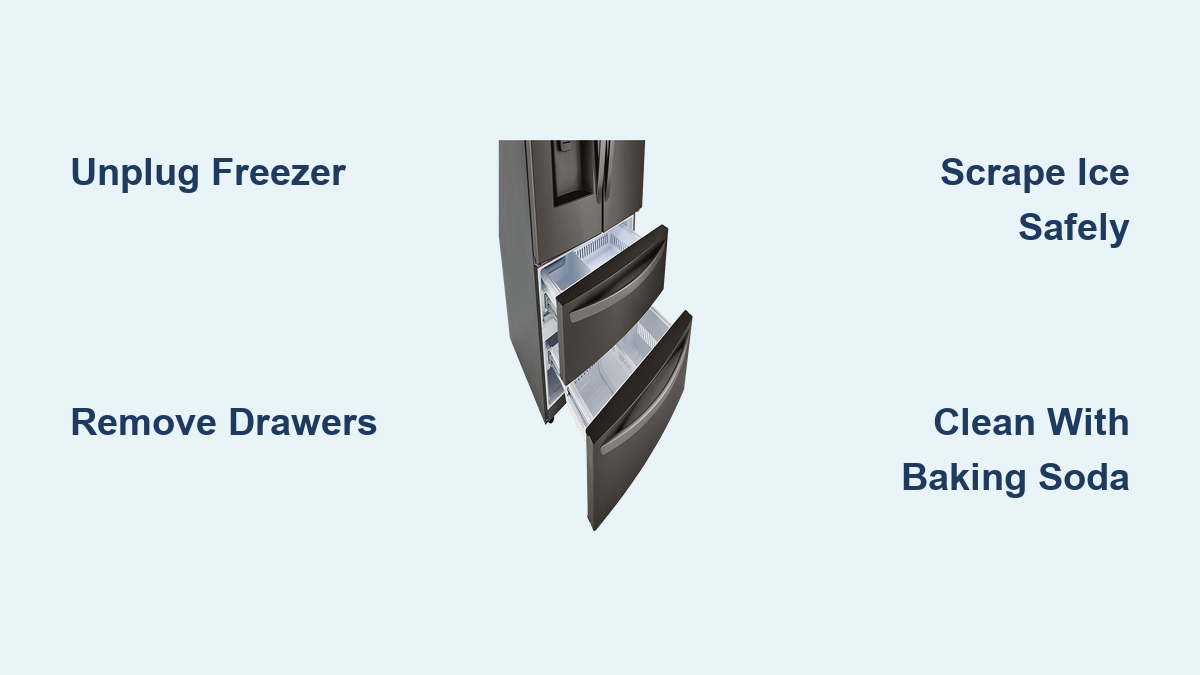
How to Clean LG Freezer Drawer
Nothing ruins your kitchen experience faster than opening your LG freezer drawer to discover ice buildup, sticky spills, or unpleasant odors. When your freezer drawer becomes dirty or frosted over, it not only makes accessing frozen foods difficult but also forces your appliance to work harder, increasing energy consumption and potentially shortening its lifespan. Learning how to clean LG freezer drawer properly is essential maintenance that takes less time than you think and delivers immediate benefits. This guide provides the exact steps you need to restore your freezer drawer to like-new condition while avoiding common mistakes that could damage your expensive appliance.
Regular freezer drawer cleaning prevents the frustrating scenario of struggling with a stuck drawer or discovering freezer-burned food from poor air circulation. Whether you’re dealing with minor spills or significant ice accumulation, following these proven techniques will help you maintain optimal freezer performance. You’ll learn professional-grade cleaning methods specifically designed for LG freezer drawers that preserve their functionality while keeping your frozen foods fresh and properly stored.
Gather Essential Cleaning Supplies
Before starting your LG freezer drawer cleaning project, assemble all necessary supplies to ensure a smooth, efficient process that minimizes the time your freezer remains open. Having everything ready prevents interruptions and helps you complete the task quickly.
Your essential cleaning kit should include baking soda (a natural deodorizer and gentle cleaner), white vinegar (for disinfecting and removing stubborn residue), mild dish soap, and clean microfiber cloths or soft sponges that won’t scratch plastic surfaces. A plastic or rubber spatula is crucial for safely scraping ice without damaging your freezer, while a shallow pan catches melting water during defrosting. Don’t forget soft-bristled brushes for cleaning tracks and crevices, plus paper towels for quick drying.
Pro tip: Keep a cooler with ice packs ready to temporarily store frozen items. This prevents food spoilage while you clean and ensures your groceries stay at safe temperatures. A spray bottle filled with your cleaning solution makes application easier, and rubber gloves protect your hands from cold surfaces and cleaning solutions.
Remove All Frozen Food Items
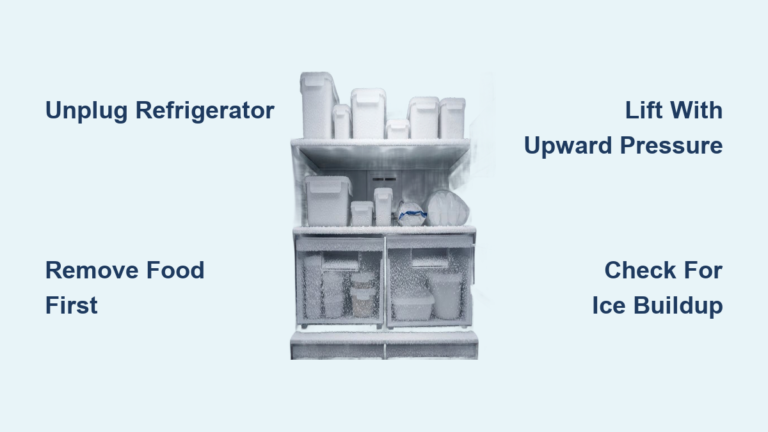
Begin your LG freezer drawer cleaning by completely emptying the compartment of all food items and removable components. This critical step provides full access to all surfaces requiring attention and prevents food damage during cleaning.
Open the freezer drawer fully and carefully transfer frozen items to your prepared cooler, checking expiration dates as you go. Dispose of any freezer-burned or outdated products immediately. Remove all dividers, bins, and storage containers designed to be removable—most LG models feature sliding drawers with baskets that lift out with a slight upward tilt. Handle frozen packages gently to avoid damaging packaging, and arrange items in your cooler by category for easier reorganization later.
Warning: Never leave frozen food at room temperature for more than two hours. If your cleaning process takes longer than expected, consider working on one drawer at a time rather than emptying the entire freezer compartment.
Remove Removable Drawer Components
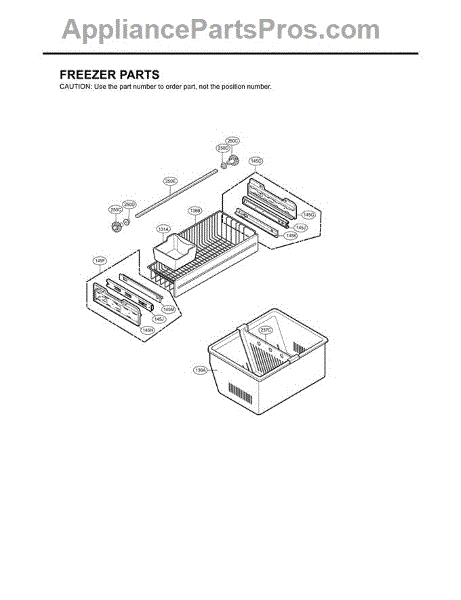
LG freezer drawers typically contain multiple removable components that require individual cleaning for thorough results. Proper removal allows you to access the entire interior surface and clean each piece effectively.
Identify all removable parts in your freezer drawer assembly—most LG models include one or two sliding baskets that lift out easily. Some also feature specialized dividers, small bins, or organization trays. Consult your owner’s manual if unsure about removal procedures for specific components. Once removed, take all parts to a sink for cleaning with warm, soapy water and a soft cloth.
Common mistake: Forcing components that don’t come out easily. LG drawer parts are designed for simple removal—never use excessive force that could break plastic tabs or tracks.
Defrost Ice Buildup Safely
Ice buildup exceeding one-quarter inch thickness requires complete defrosting before cleaning can proceed effectively. This occurs when warm air enters the compartment or door seals malfunction, causing moisture to freeze on surfaces.
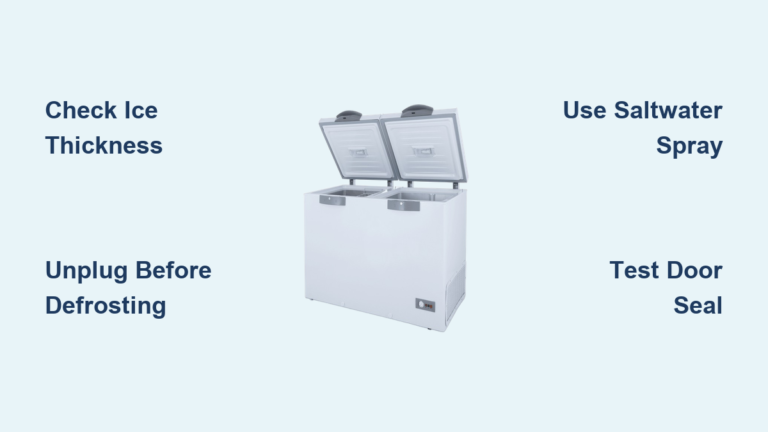
Unplug your refrigerator for safety, then place towels around the freezer base and a shallow pan inside to catch melting water. Speed up defrosting by placing bowls of hot water inside the closed freezer for 10-15 minute intervals. Use a plastic spatula to gently remove loosened ice chunks—never use metal tools that could puncture refrigerant lines or damage interior surfaces.
Time estimate: Complete defrosting typically takes 1-3 hours depending on ice thickness. Plan your cleaning session when you can dedicate sufficient time without rushing.
Clean Interior Surfaces Thoroughly

With your LG freezer drawer empty and defrosted, prepare a cleaning solution of two tablespoons baking soda mixed with one quart warm water. This food-safe mixture effectively cleans without chemical residues that could contaminate your frozen foods.
Wipe down all interior surfaces systematically using a soft cloth dipped in your solution, paying special attention to corners, seams, and areas where food particles accumulate. For stubborn residue, apply more solution and let it sit for several minutes before gentle scrubbing. Use a soft-bristled brush for drawer tracks and mechanical components to ensure smooth operation after reassembly.
Pro tip: Clean one section at a time, rinsing your cloth frequently in clean water to avoid redistributing dirt. Finish with a final wipe using plain water to remove any cleaning solution residue.
Clean and Maintain Door Seals

The rubber door seals (gaskets) around your LG freezer drawer maintain the critical cold air seal that prevents warm air from entering. These often accumulate debris in their folds, compromising effectiveness if neglected.
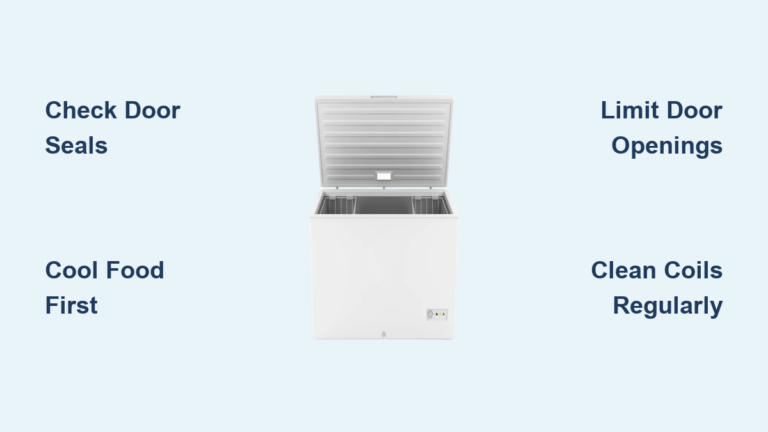
Clean seals using a soft cloth dampened with baking soda solution, wiping both interior and exterior surfaces. For crevices, use a soft-bristled brush to gently dislodge trapped debris. Inspect seals for cracks or damage that might require replacement—run your finger along the edge to check for brittleness.
Test your seal: Close a dollar bill in the drawer and try to pull it out. If it slides out easily, your seal may need attention. Keep seals supple by occasionally wiping with petroleum jelly.
Address and Eliminate Unpleasant Odors
Freezer odors typically stem from spills, outdated food, or packaging that absorbs smells over time. Eliminate these completely by addressing both sources and residual smells.
After cleaning, place an open box of baking soda inside the empty drawer for several hours to absorb lingering odors. For stubborn smells, create a baking soda paste and apply to problem areas, letting it dry completely before wiping away. Activated charcoal in a small container works even better than baking soda for persistent odors.
Never use: Strong-smelling chemicals or air fresheners inside your freezer—they can be absorbed by food items and affect taste.
Reassemble and Restock the Freezer
After thorough cleaning and drying, reassemble your LG freezer drawer components before returning food items. This final step ensures everything functions properly and maintains organization.
Return all components to their original positions, verifying they slide smoothly on tracks and lock securely. Give each part a final dry wipe to remove any settling dust. Before loading food, confirm the interior is completely dry to prevent immediate refreezing of moisture.
Restocking strategy: Organize items with newer products in the back and older items in front. Avoid overpacking—leave space between items for proper air circulation. Group similar items together and consider labeling packages with dates.
Establish Regular Cleaning Schedule
Maintain your LG freezer drawer’s performance through consistent cleaning rather than occasional deep sessions. This prevents excessive ice buildup and hard-to-remove residue.
Create a maintenance routine with immediate spill cleanup, monthly surface wiping with baking soda solution, and thorough cleaning every 3-6 months. Keep a maintenance log to track cleaning dates and note recurring issues. Check door seals monthly using the dollar bill test to ensure proper sealing.
Time-saving tip: Regular 15-minute maintenance sessions prevent the need for lengthy defrosting procedures. Set phone reminders to stay consistent with your cleaning schedule.
Final Tip: Proper LG freezer drawer cleaning takes 30-45 minutes for routine maintenance and up to three hours when defrosting is required. Always unplug before defrosting, use only mild cleaning solutions, and ensure complete drying before reassembly. By following these steps regularly, you’ll extend your appliance’s lifespan, improve energy efficiency, and keep your frozen foods fresher longer. The small time investment pays off in better performance and prevents costly repairs down the line—your LG freezer drawer will operate like new with minimal effort when you maintain it properly.