How to Clean Reusable Freezer Bags
Reusable freezer bags have transformed how eco-conscious households store food, eliminating thousands of single-use plastics from landfills each year. Yet many people discover the hard way that these sustainable alternatives require specialized care to maintain their integrity and prevent cross-contamination between food items. Improper cleaning leads to lingering odors from last week’s salmon that taints this week’s berries, or worse—bacterial growth that compromises food safety. Learning how to clean reusable freezer bags properly isn’t optional if you want them to last beyond a few uses. This guide reveals the exact methods to keep your bags fresh, functional, and safe for repeated use, whether they’re silicone, fabric-lined, or traditional polyethylene models.
Hand Washing Reusable Freezer Bags Step-by-Step
:max_bytes(150000):strip_icc()/how-to-clean-reusable-food-storage-bags-5093601-02-873da2653ce14cc2b3345d89189a32f5.JPG)
Hand washing delivers the gentlest yet most thorough cleaning for reusable freezer bags, especially those with delicate seals or intricate zipper mechanisms where food particles easily become trapped. This method gives you complete control to address problem areas without exposing bags to potentially damaging dishwasher conditions.
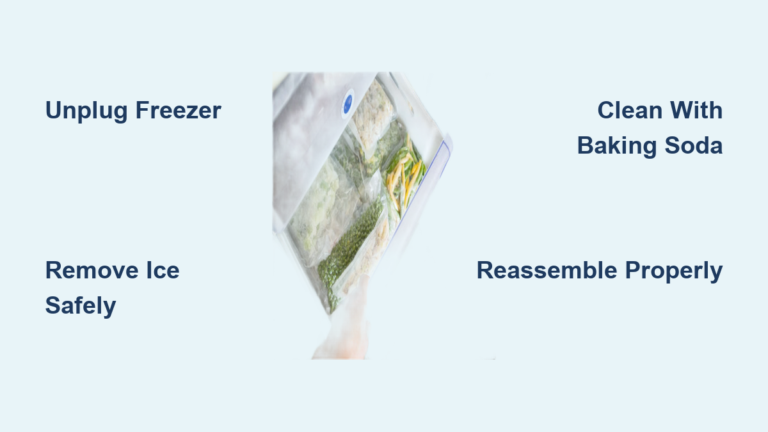
Begin by turning bags inside out immediately after emptying them to expose food-contact surfaces. Rinse thoroughly under warm running water to remove loose debris before it has a chance to dry and adhere stubbornly. Apply a dime-sized amount of mild, fragrance-free dish soap directly to the interior surfaces, focusing on areas that held raw proteins, oily foods, or strongly pigmented items like tomato sauce. Using your fingertips or a soft sponge, gently scrub all surfaces—including the often-neglected bottom corners where residue accumulates. For the critical zipper mechanism, employ a dedicated soft-bristled toothbrush to dislodge particles without damaging the plastic teeth.
Rinse bags meticulously under warm water, ensuring all soap residue disappears from both interior and exterior surfaces. Leftover detergent can transfer flavors to future food storage and degrade seals over time. Hold each bag against a light source to verify complete rinsing—any soap film will appear as a faint rainbow sheen. Inspect zipper tracks one final time before proceeding to drying, as trapped moisture here causes the most common failures in reusable bag longevity.
How to Clean Stubborn Zipper Mechanisms
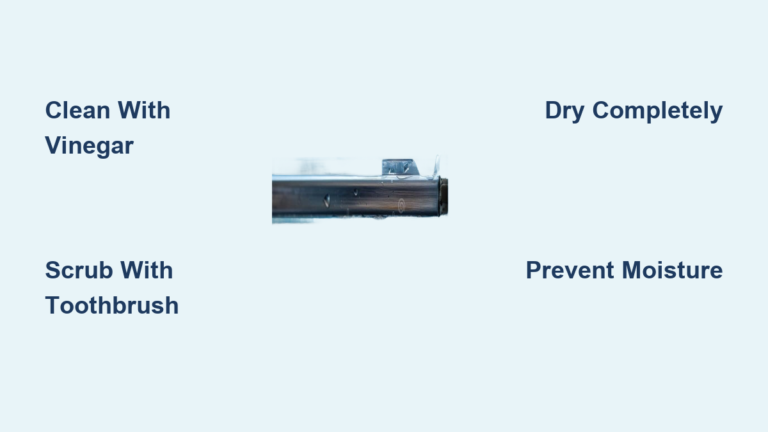
Zipper failures account for most premature reusable bag replacements, yet proper cleaning prevents 90% of these issues. When food particles jam the track, don’t force the slider—that damages teeth alignment permanently. Instead, submerge the affected area in warm, soapy water for five minutes to loosen debris. Use a toothpick wrapped in a microfiber cloth to gently dislodge particles without scratching plastic.
For persistent clogs, apply a small amount of food-safe mineral oil to the track using a cotton swab, then work the zipper back and forth gently. Never use petroleum-based lubricants that can degrade plastic over time. After cleaning, leave zippers partially open during storage to maintain spring tension and prevent compression damage to the sealing mechanism.
Dishwasher Cleaning: Which Bags Can Handle It
Many reusable freezer bags claim dishwasher safety, but not all models withstand the high-pressure jets and heat cycles that can warp seals or degrade materials. Always check manufacturer instructions first—silicone bags typically tolerate dishwashing best, while fabric-lined or thin polyethylene models often require hand washing only.
When using a dishwasher, place bags upside down on the top rack to prevent water pooling in corners. Secure them with bag clips or position them between larger items to stop movement during the cycle. Use the gentle or eco-wash setting with water temperatures below 120°F (49°C) to prevent seal deformation. Skip the heated dry cycle entirely—residual heat can melt or warp certain plastics over repeated exposure.
Critical Dishwasher Placement Mistakes to Avoid
Placing reusable freezer bags incorrectly in your dishwasher guarantees poor cleaning results and potential damage. Never position bags vertically against the dishwasher door—they’ll collapse under water pressure, trapping food particles inside. Avoid nesting bags within each other, as this prevents water circulation between layers. Most importantly, keep bags away from the heating element at the dishwasher’s bottom, as direct heat exposure degrades plastic integrity faster than any other factor.
Deep Cleaning for Stains and Odors
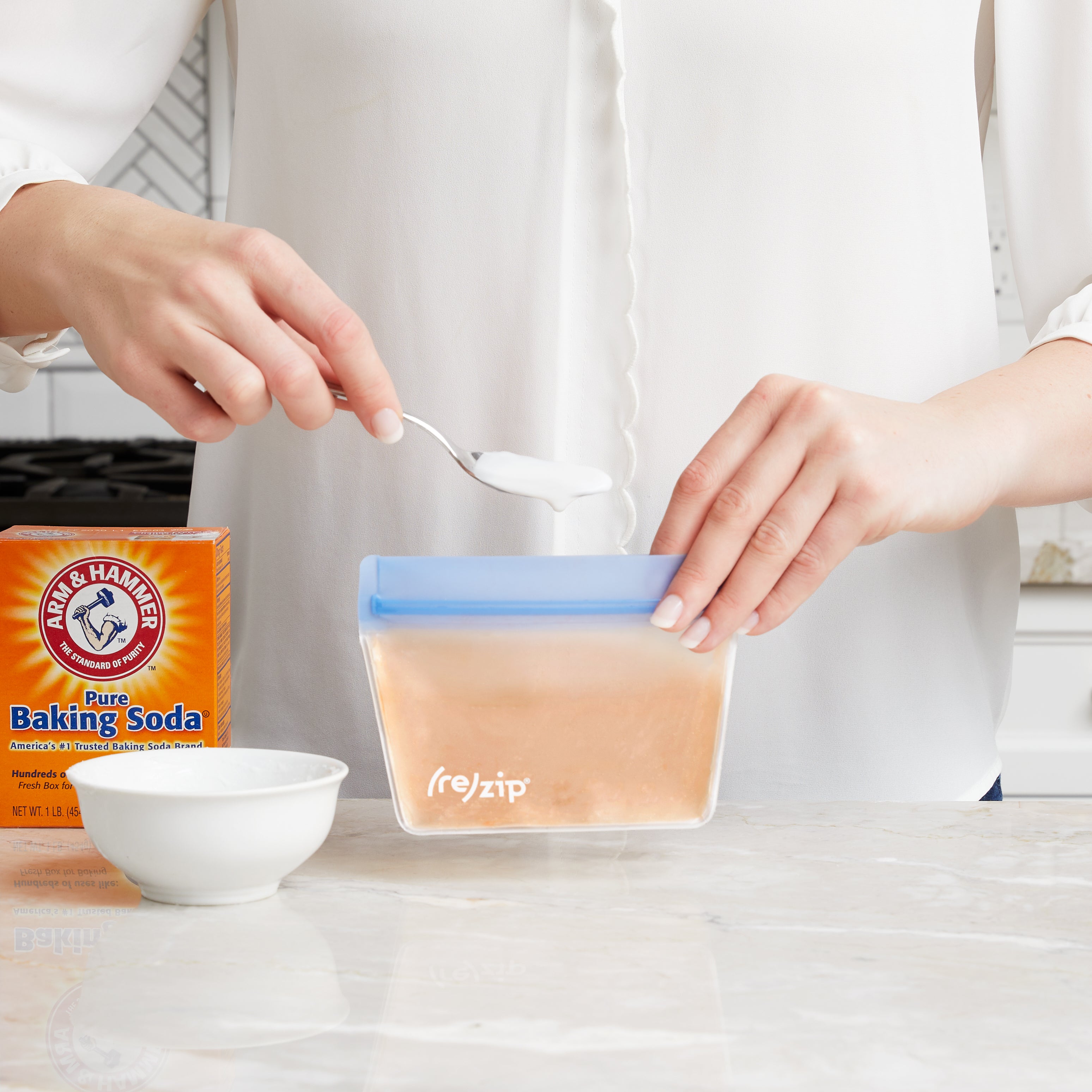
Even with regular washing, reusable freezer bags accumulate stubborn stains from berries, turmeric, or tomato-based sauces that standard cleaning won’t remove. These aren’t merely cosmetic issues—stained areas harbor bacteria and compromise food safety. The right deep cleaning approach restores both appearance and functionality without damaging bag materials.
For most stains, create a paste of baking soda and warm water (three parts baking soda to one part water). Apply liberally to affected areas using a soft cloth, then let sit for 20 minutes before gently scrubbing with a non-abrasive sponge. The mild abrasiveness lifts stains while neutralizing odors. For severe discoloration, add one tablespoon of hydrogen peroxide to the paste, but test on an inconspicuous area first—this combination may lighten colored bags.
Eliminating Lingering Fish or Garlic Odors
Persistent odors from pungent foods indicate aromatic compounds have penetrated the bag’s material structure. Standard washing only removes surface molecules, leaving embedded smells ready to contaminate your next meal. To eliminate these thoroughly, fill bags halfway with warm water and add two tablespoons of baking soda per quart of capacity. Seal completely and shake vigorously to distribute the solution, then let soak for 12-24 hours. The alkaline solution neutralizes odor-causing acids at a molecular level.
For extreme cases like smoked fish or raw garlic, place one tablespoon of activated charcoal powder inside the bag, seal it, and leave for 48 hours. The charcoal’s microscopic pores absorb odor molecules more effectively than any other method. Always rinse thoroughly afterward to remove any residual cleaning agents.
Proper Drying Techniques That Prevent Mold
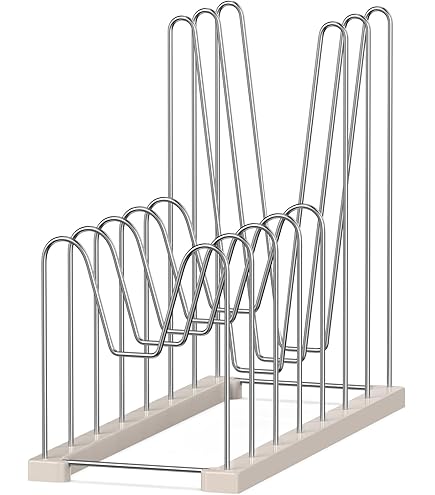
Incomplete drying causes more reusable freezer bag failures than any other factor—trapped moisture in seams and zippers breeds mold that ruins bags permanently. Air drying remains the gold standard, but requires specific techniques to ensure complete moisture removal from every crevice.
After washing, turn bags inside out and hang them upside down over a dish rack with the opening fully spread. This position allows water to drain naturally from corners while maximizing air exposure to all surfaces. Space bags at least two inches apart to ensure proper airflow—crowding traps humidity between bags. In humid climates, extend drying time by 50% or use a fan on low setting to circulate air without blowing bags off the rack.
When and How to Use Towel Drying Safely
Towel drying can accelerate the process but introduces lint and potential contamination if done incorrectly. Use only clean, lint-free microfiber towels specifically designated for bag drying—never repurpose kitchen towels that may harbor bacteria. Gently pat the interior surface first, paying special attention to the zipper channel where water collects. Flip the bag and repeat on the exterior.
Never rub vigorously or twist bags to remove moisture—this stretches materials and damages seals. After towel drying, still allow bags to air dry for at least 30 minutes to evaporate any residual moisture film. Test for complete dryness by feeling inside the zipper track with a clean finger—any coolness indicates remaining moisture that must evaporate before storage.
Material-Specific Care Guidelines
Different reusable freezer bag materials demand unique cleaning approaches to maximize longevity. Silicone bags withstand the most aggressive cleaning but require attention to zipper mechanisms. Fabric-lined models need gentler treatment to preserve waterproof coatings. Traditional polyethylene bags fall somewhere in between but degrade faster from heat exposure.
Silicone bags tolerate boiling for sterilization—simply submerge in gently boiling water for 5 minutes to kill all bacteria. This works especially well after storing raw meats. Fabric-lined bags should never go in the dishwasher—hand wash only with mild soap, and avoid fabric softeners that break down waterproof membranes. Polyethylene bags benefit from occasional hydrogen peroxide soaks to maintain clarity but warp easily if exposed to hot water above 110°F (43°C).
When to Replace Your Reusable Freezer Bags
Even with perfect care, reusable freezer bags eventually reach end-of-life. Recognize these critical replacement indicators: persistent odors that resist deep cleaning, cloudy or sticky interior surfaces indicating material breakdown, cracks in seams, or zippers that no longer create an airtight seal. Most quality bags last 1-3 years with daily use—continuing to use compromised bags risks food contamination.
Rotate your bag collection regularly by designating specific bags for different food categories (meat, produce, baked goods). This prevents cross-contamination and helps you track usage patterns to anticipate when replacements are needed. When discarding worn bags, check if the manufacturer offers a recycling program—many silicone bag companies accept old products for proper recycling.
Following these precise cleaning methods transforms reusable freezer bags from short-lived novelties into durable kitchen staples that save you money and reduce plastic waste for years. The key lies in consistent, proper drying and material-appropriate cleaning—not just washing them like regular dishes. By implementing these techniques, you’ll maintain odor-free, fully functional bags that keep your food fresher longer while protecting your family’s health. Your next step? Grab those bags waiting to be cleaned and apply the zipper-cleaning method immediately—your future self will thank you when meal prep becomes simpler and safer tomorrow.