Fridge Freezer Smells of Gas: What to Do
That unmistakable gas smell coming from your fridge freezer can send chills down your spine. When your fridge freezer smells of gas, your immediate concern should be safety—this isn’t something to ignore or investigate casually. While not every odor indicates a dangerous refrigerant leak, treating it as potentially serious protects your household from genuine risks. The truth is, refrigerants like R-134a produce faint sweet odors when leaking, while R-600a (isobutane) emits petroleum-like smells similar to lighter fluid. This guide gives you clear steps to identify the source, take appropriate action, and prevent future occurrences—keeping your home safe and your appliance functioning properly.
Most homeowners don’t realize that not all gas smells come from refrigerant leaks. Electrical components overheating near your appliance can create burning odors mistaken for gas, while clogged drain systems produce foul smells circulating through ventilation. Decomposing food items also release volatile compounds that register as concerning odors. Understanding these distinctions helps you respond appropriately—whether that means calling emergency services or simply cleaning a drain line. By the end of this guide, you’ll know exactly how to diagnose the smell, implement immediate safety measures, and determine whether professional help is needed.
Why Your Fridge Freezer Smells of Gas
Modern refrigerators use specialized refrigerants like R-134a (tetrafluoroethane) and R-600a (isobutane) that have distinct odor profiles when leaks occur. R-134a produces a faint sweet chemical smell similar to ether, while R-600a gives off petroleum-like odors reminiscent of lighter fluid. Unlike natural gas (which contains mercaptan additives creating that unmistakable rotten cabbage smell), refrigerants lack strong odorants by design—meaning any detectable smell typically indicates a substantial leak rather than trace amounts.
The challenge lies in distinguishing refrigerant odors from other household smells. Electrical burning produces melting plastic or hot rubber scents that fluctuate with compressor cycling, while drain system problems create musty, earthy odors from stagnant water and bacterial growth. Food decomposition generates volatile organic compounds that may register as gas-like smells but typically respond to thorough cleaning. Proper identification matters because each scenario requires different responses—from simple maintenance to emergency evacuation.
Immediate Safety Actions for Gas Smell Detection
First Response Steps Within 60 Seconds
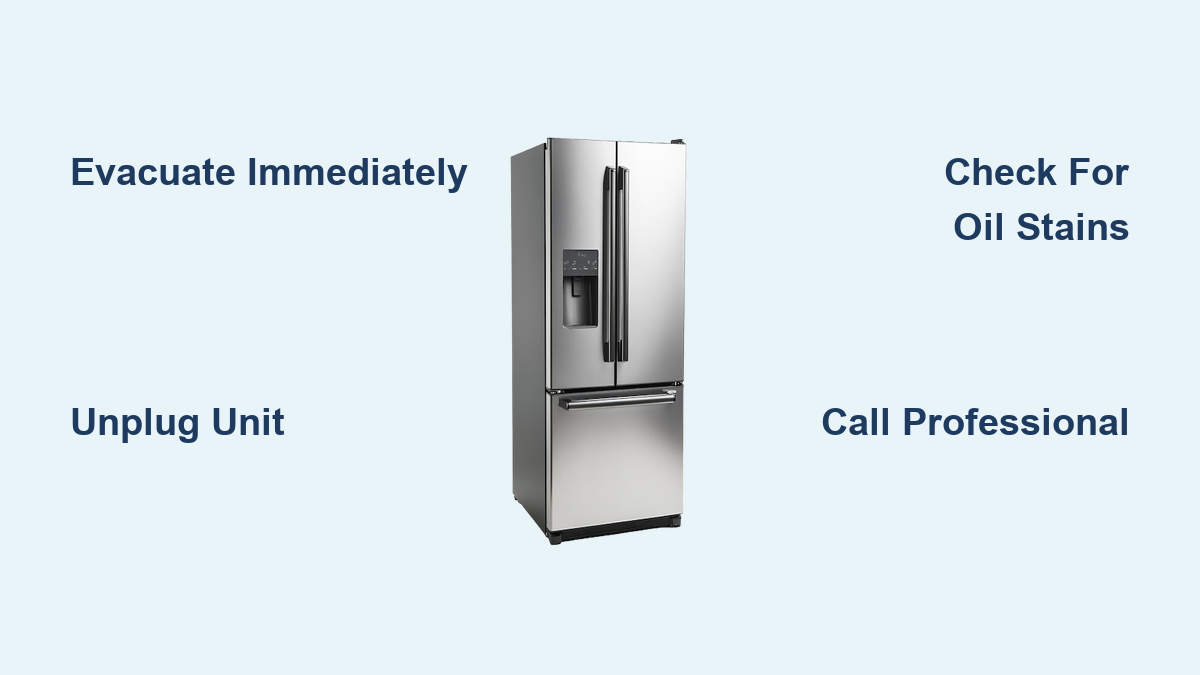
When your fridge freezer smells of gas, your immediate actions in the first minute can significantly impact household safety. Evacuate everyone—including pets—from the area immediately and move to a well-ventilated space away from the appliance. Do not attempt to locate the source by smell alone, as direct exposure to concentrated refrigerants can cause respiratory irritation, dizziness, or more serious health effects.
Maximize ventilation by opening windows and doors throughout the affected area before attempting any intervention. If your refrigerator sits in a basement or enclosed space, this ventilation becomes critical to prevent odor concentration. Only if you can safely reach the power source without standing in the immediate emission area should you unplug the unit or switch off its circuit breaker—stopping the compressor prevents further refrigerant release and eliminates potential electrical ignition sources.
Emergency Conditions Requiring Immediate Evacuation
Certain conditions demand calling emergency services rather than attempting diagnosis or waiting for regular repair. Evacuate immediately and call professionals if the gas smell causes immediate irritation to your eyes, throat, or respiratory passages. Hissing sounds, visible frost forming on pipes outside the sealed system, or anyone experiencing headaches, nausea, or dizziness all indicate potentially dangerous situations requiring urgent attention.
Natural gas utility companies respond to suspected leaks from any source, so contacting them provides additional safety assessment when uncertain about the gas type. Remember that hydrocarbon refrigerants like R-600a present flammability hazards when leaked into enclosed spaces—avoid operating electrical switches (including lights) in the vicinity of the suspected leak, as sparks could potentially ignite flammable refrigerant concentrations.
Common Causes of Refrigerator Gas Odors
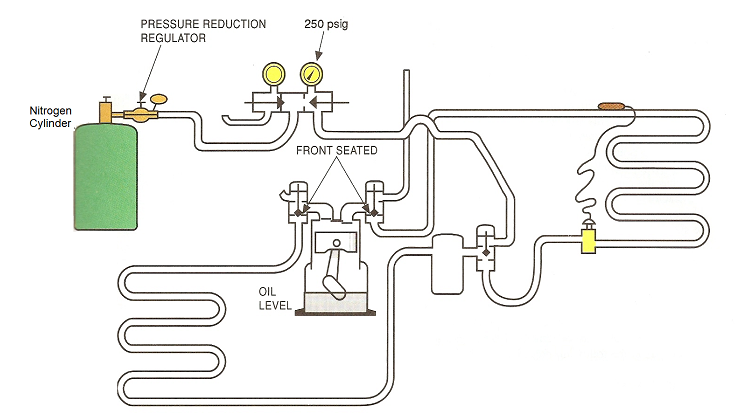
Refrigerant Leaks in the Sealed System
The evaporator coils inside your freezer compartment develop leaks most frequently because the serpentine tubing encounters constant condensation that promotes corrosion over time. These leaks often present alongside ice buildup on freezer walls, reduced cooling performance, and that characteristic sweet chemical odor becoming noticeable when you open the door. Condenser coils at the back or bottom of your refrigerator suffer leaks from physical damage during cleaning or high humidity corrosion.
When refrigerant escapes, it leaves behind mineral deposits and oil staining as evidence near leak points. The oil component appears as shiny or greasy films on surfaces surrounding the escape location, while the refrigerant evaporates leaving behind telltale residue. These visual cues help professionals locate leaks during diagnosis and give you evidence to describe when calling for service.
Drain System and Food Decomposition Issues
The defrost drain system in frost-free refrigerators can become clogged with food particles, ice chunks, or microbial growth, creating anaerobic conditions that produce foul odors resembling gas or sulfur. When the drain blocks, water accumulates in the drain pan beneath your refrigerator where it stagnates and develops bacterial growth emitting unpleasant smells that circulate through the appliance’s ventilation system.
Decomposing food items within your refrigerator or freezer compartments produce volatile organic compounds that users may interpret as gas smells. Spilled liquids beneath drawers, forgotten leftovers in the back of shelves, and drippings accumulated in corners all provide substrate for bacterial growth releasing foul-smelling gases. Regular removal of expired foods and immediate cleanup of spills prevents these odor sources from developing.
Diagnose Gas Smell Source in Your Fridge
Distinguishing Refrigerant from Other Odors
Accurate identification of what you’re smelling prevents unnecessary expense and ensures appropriate response. Refrigerant leaks typically produce sweet, chemical, or ether-like odors that intensify over time as the leak continues, rather than appearing suddenly and then fading. These smells usually become more noticeable when opening refrigerator doors or in enclosed spaces near the unit.
Natural gas leaks present with the unmistakable rotten cabbage or sulfur odor that utility companies add as safety indicators. If you detect this smell, immediate evacuation and utility company notification are required—natural gas presents explosion risks alongside health hazards. Electrical burning odors differ distinctly from refrigerant smells, resembling melting plastic, hot rubber, or singed materials rather than sweet chemical scents.
Visual Inspection Techniques
Before calling professionals, you can conduct a preliminary visual inspection that provides valuable information about your gas smell source. Examine all accessible refrigeration lines, connections, and components for signs of oil residue, which appears as shiny or greasy films on surfaces near potential leak points. Look for ice formation on components that should remain ice-free, as this indicates active refrigerant escape and evaporation occurring right before your eyes.
Inspect the area beneath and behind your refrigerator for moisture, oil staining, or debris accumulation that might indicate leak location. Examine the compressor housing for rust, corrosion, or physical damage that might compromise sealed system integrity. Check door seals for cracks, gaps, or deterioration that might allow cold air escape while warm moist air enters, potentially causing frost buildup and secondary odor issues.
Fix Refrigerant Leaks in Your Freezer

Professional Repair Options for Sealed System Leaks
Repair approaches for refrigerant leaks depend heavily on leak location, severity, and your appliance’s age and condition. Small leaks at accessible connection points may be repaired by re-tightening fittings, replacing valve cores, or applying approved sealants designed specifically for refrigeration applications. These repairs allow technicians to evacuate the system, recharge it with refrigerant, and return your refrigerator to full operation without major component replacement.
Leaks in evaporator or condenser coils generally require component replacement rather than field repair, since these welded or brazed assemblies aren’t designed for on-site patching. The decision between coil replacement and complete appliance replacement hinges on your refrigerator’s age, overall condition, and how repair costs compare to replacement costs. For units over ten years old with efficiency standards significantly lower than modern models, replacement often makes more economic sense.
Prevent Future Gas Smells in Your Fridge
Regular Maintenance Schedule
Consistent maintenance significantly reduces the risk of gas smells and refrigerant leaks in your refrigerator and freezer units. Monthly inspections should include listening for unusual sounds during operation, testing door seal integrity by checking closure and gasket condition, and noting any unusual odors inside or near the appliance. These quick checks catch developing problems before they escalate into major issues.
Quarterly tasks include cleaning condenser coils, which are typically located at the back or beneath your refrigerator. Dirty coils cause your compressor to work harder, generating excess heat that accelerates component degradation and increases failure probability. Use a coil brush or vacuum attachment to remove accumulated dust and debris, taking care not to damage the delicate fins or tubing. Empty and inspect the drain pan during these cleaning sessions as well.
Usage Best Practices
Proper use habits contribute significantly to refrigerator longevity and odor prevention. Avoid placing hot foods directly in the refrigerator, as this stresses the cooling system and generates condensation that promotes mold growth and drain clogs over time. Ensure doors close promptly and completely after use, and resist the temptation to leave doors open while deciding what to grab—each open minute lets warm moist air inside that your system must remove.
Regular removal of expired or spoiling foods prevents odor sources from developing and spreading throughout the interior. Clean spills immediately rather than letting them accumulate in hard-to-reach areas where they can decompose and produce foul odors. Use sealed containers for strong-smelling foods to prevent odor transfer to other stored items and reduce overall interior odor development.
Discovering that your fridge freezer smells of gas demands immediate attention but doesn’t always indicate catastrophic failure. By following the safety protocols outlined here, you protect your household while determining the appropriate response. Remember that refrigerant leaks require professional intervention, while drain issues or food decomposition can often be resolved with proper cleaning and maintenance. Establishing a regular maintenance schedule—cleaning condenser coils quarterly, inspecting door seals monthly, and keeping the interior organized—significantly reduces the risk of future gas smells. When in doubt about the nature of the odor, always err on the side of caution and consult a qualified technician who can accurately diagnose and safely address the issue. Your vigilance today ensures your refrigerator continues to safely preserve your food without putting your household at risk.