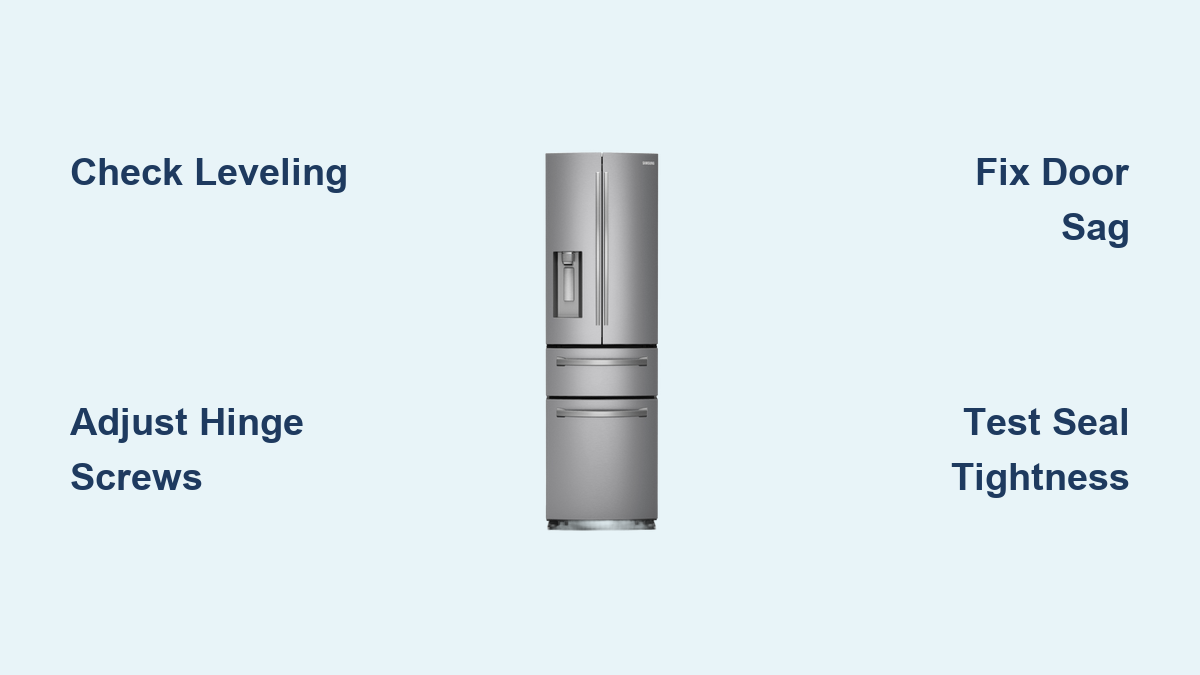
How to Adjust Samsung Freezer Door
Your Samsung freezer door should close smoothly and seal tightly every time—but when it starts sagging, leaving gaps, or failing to latch properly, you’re facing more than just an inconvenience. That misalignment can cause frost buildup, temperature fluctuations, and significantly higher energy bills as your refrigerator works overtime to maintain proper cooling. If you’ve noticed your freezer door dropping on one side or struggling to stay closed, you’re not alone. Most Samsung freezer door alignment issues can be fixed with basic tools in under an hour, saving you hundreds in unnecessary service calls. This guide provides the exact steps to diagnose and correct your specific alignment problem, whether you own a side-by-side, French door, or top-freezer model.
Why Samsung Freezer Doors Misalign Over Time
Understanding what causes your freezer door to drift out of alignment helps you choose the right solution and prevent recurrence. Samsung refrigerator doors develop alignment issues through several predictable mechanisms that affect different models in distinct ways.
Weight Distribution and Age Effects cause the most common alignment problems in household refrigerators. As you repeatedly open and close your freezer door—especially when fully stocked with heavy items—the constant stress gradually compresses the hinge components. This natural settling becomes particularly noticeable after 12-24 months of use, with French door models being especially vulnerable due to their larger, heavier freezer compartments. The door may begin to sag noticeably on the handle side, creating visible gaps around the seal that allow cold air to escape.
Improper Installation After Transportation creates alignment issues that often go unnoticed for months. When Samsung refrigerators ship, they include temporary support rods that must be removed during installation. If these aren’t properly extracted, or if the unit wasn’t leveled correctly during setup, misalignment occurs immediately but may only become apparent after the door has been used extensively. Even moving your refrigerator just a few feet across your kitchen can jar the internal alignment components out of position, especially if your flooring has uneven spots.
Foundation and Flooring Irregularities directly impact door alignment since refrigerators must sit perfectly level to function correctly. Slight variations in your kitchen floor—whether from carpet thickness, uneven tile installation, or foundation settling—can tilt the entire unit. This seemingly minor tilt translates to significant door misalignment, particularly with Samsung’s precision-engineered door mechanisms. If your freezer door alignment problem developed gradually after initially working perfectly, floor irregularities are likely the culprit.
Essential Tools for Samsung Freezer Door Adjustment

Having the right tools ready before starting ensures you complete the job efficiently without frustrating interruptions. Most Samsung freezer door adjustments require only basic household tools that many homeowners already own.
A Phillips head screwdriver (both standard and precision sizes) is absolutely essential for removing hinge covers and accessing adjustment screws on virtually all Samsung models. A torpedo level—specifically designed for tight spaces—lets you accurately check your refrigerator’s plumb position on top surfaces and narrow gaps. Keep an adjustable wrench or metric socket set handy for models with bolted hinge mechanisms that require tightening after adjustment.
Don’t overlook simple but effective tools like a rubber mallet for gently persuading stubborn components back into alignment without damaging plastic parts. A bright LED flashlight helps illuminate the often-dark spaces behind and beneath your refrigerator where critical adjustment points hide. Finally, keep a few paperback books or wooden shims nearby to temporarily support the refrigerator while you make precise leveling adjustments.
Foundation Leveling: The Critical First Step
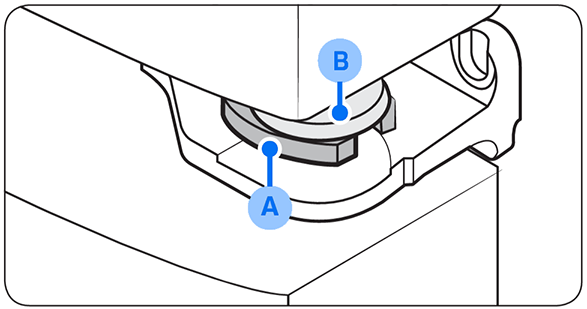
Before touching any door hinges, verify that your refrigerator sits perfectly level—this often resolves misalignment without any door adjustments. Place your torpedo level on the freezer floor, positioned parallel to the hinge side. If the bubble isn’t centered, your foundation is unlevel. Then position the level perpendicular to the door to check side-to-side leveling, especially important for French door models where both freezer compartments must align perfectly.
If the refrigerator isn’t level, carefully pull it away from the wall (always get help with this heavy appliance) and locate the front-adjustable leveling legs. Turn these legs clockwise to raise that corner of the refrigerator or counterclockwise to lower it. Make quarter-turn adjustments, then reposition the refrigerator and recheck your level. Continue this process until your refrigerator achieves perfect plumb in all directions. Proper foundation leveling alone fixes approximately 40% of Samsung freezer door alignment issues—never skip this foundational step.
Hinge Adjustment Techniques for Perfect Door Alignment
Samsung’s hinge mechanisms contain precise adjustment points that control both horizontal and vertical door positioning. Accessing these varies slightly by model year but follows consistent principles across most Samsung refrigerator lines.
Safely Removing the Hinge Cover
Locate the plastic hinge cover at the top of your freezer door (or on the upper hinge for French door models). This cover typically snaps into place along its edges. Gently insert a flathead screwdriver or plastic pry tool at one corner and work your way around to release the clips without cracking the plastic. Some newer Samsung models feature hinge covers that slide upward rather than prying off—check your user manual if you encounter resistance.
Once removed, take a clear photo of the hinge mechanism with your smartphone. This visual reference proves invaluable if you need to reverse your adjustments later. Most Samsung models reveal 2-3 mounting screws plus an adjustment pin or slot system beneath the cover.
Correcting Horizontal Door Misalignment
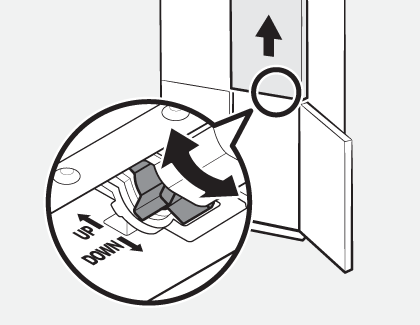
Horizontal misalignment creates uneven gaps between doors or between the door and cabinet. To fix this, loosen the hinge mounting screws just enough to allow movement—typically one-quarter to one-half turn. The door should now slide freely in its adjustment slots. Firmly grip the door and shift it horizontally until it aligns perfectly with adjacent surfaces. Hold the door in position while retightening the screws, starting with the top screw to prevent downward shifting during tightening.
Some Samsung models feature fine-tuning adjustment wheels inside the hinge assembly. Rotate these eccentric cams while checking alignment until the door sits perfectly level. These provide millimeter-precise control that mounting screw adjustments alone can’t achieve.
Fixing Vertical Door Sag
Vertical sag—where one side of the door drops lower than the other—is corrected through the hinge pin system. Many Samsung models use removable hinge pins with three or four height settings. To adjust, carefully extract the pin using needle-nose pliers and reinsert it in a higher or lower hole as needed. Each position typically adjusts the door height by approximately 1/8 inch.
For models with shim-based systems, add or remove thin metal or plastic shims between the hinge mounting plate and refrigerator cabinet. Start with one shim and test the door before adding more. After making vertical adjustments, open and close the door several times to ensure it moves smoothly without catching or dragging.
Seal Compression and Sweep Adjustment
Even perfectly aligned doors can develop sealing issues if the door sweep or seal compression needs adjustment. These final tweaks ensure your freezer maintains proper temperature without frost buildup.
Optimizing Door Seal Compression
Locate the seal compression adjustment screws—usually found on the hinge plate or visible when the door is open. Turn these clockwise to increase seal tightness or counterclockwise to decrease it. Make quarter-turn adjustments and test the seal after each change. The ideal setting creates enough resistance that a dollar bill placed in the seal won’t pull out easily, but doesn’t require excessive force to close the door.
Replacing Worn Door Sweeps
The flexible strip at the bottom of your freezer door (the sweep) often wears out before other components. If it’s cracked, brittle, or compressed flat, replacement is necessary. Samsung sells model-specific sweeps that simply press into the channel along the door bottom. Start at one end, press firmly to seat the new sweep, and work toward the other end while maintaining even pressure.
Final Testing and Long-Term Maintenance
After completing adjustments, thoroughly test your work before considering the job finished. Open and close the door slowly, watching for smooth movement throughout its range. Close the door firmly and verify it stays closed without bouncing back. Test the seal at multiple points using the dollar bill method—consistent resistance indicates proper sealing.
For long-term maintenance, avoid overloading freezer doors and clean seals monthly with mild soap and water. Inspect hinges annually for wear and retighten mounting screws if needed. If alignment problems return, check your kitchen floor for settling issues and consider permanent shimming beneath the refrigerator’s leveling legs.
Properly adjusted freezer doors keep your Samsung refrigerator running efficiently while preventing costly frost buildup and food spoilage. By following this systematic approach—starting with foundation leveling and progressing through hinge and seal adjustments—you’ll solve most misalignment issues yourself. Remember that small adjustments make big differences with Samsung’s precision components, so work patiently and test frequently. When in doubt, Samsung’s customer support can provide model-specific guidance to complement this general adjustment framework.