How to Fix Freezer Door Suction Too Strong
That moment when you pull on your freezer door and it refuses to budge—or suddenly pops open with a dramatic whoosh—leaves many people wondering if something is broken with their refrigerator. You’re not alone in this frustration. Strong suction on freezer doors is one of the most common complaints appliance owners report, yet it rarely indicates a malfunction. Understanding why this happens and knowing how to address it can save you from unnecessary service calls and daily wrestling matches with your freezer door.
The suction effect you’re experiencing stems from basic physics at work inside your appliance. When you close the freezer door, the warm air trapped inside begins cooling immediately. As air cools, it contracts and creates a partial vacuum that firmly seals the door against the frame. This pressure differential means the more significant the temperature difference between inside and outside, the stronger the suction becomes. The good news is that most cases resolve with simple adjustments to how you use and maintain your freezer. In this guide, you’ll discover exactly why this happens, what worsens the effect, and step-by-step solutions to make door operation smooth again.
Why Freezer Doors Create Suction
The fundamental mechanism behind strong door suction lies in the behavior of air inside refrigerated spaces. When you close your freezer door, the air trapped inside starts cooling down rapidly. Cooling air molecules slow down and move closer together, which means they take up less space than warm air did. This contraction creates a partial vacuum inside the appliance—a pocket of lower pressure compared to the normal atmospheric pressure in your kitchen.
This pressure differential is what makes your freezer door feel like it’s being pulled inward from the outside. The stronger the temperature difference between the interior and exterior environments, the more pronounced the vacuum effect becomes. Freezers maintain a much larger temperature differential than refrigerator-only compartments, which explains why freezer doors typically require more force to open and create stronger suction than refrigerator doors. Modern seals are designed with magnetic strips embedded in flexible rubber or vinyl materials, and the vacuum effect adds additional holding pressure beyond what the magnets provide.
Temperature Differential Impact
The suction force you feel correlates directly with how much warmer the interior air was before cooling began. Opening the freezer door for extended periods lets warm room air rush inside, and placing warm items inside the freezer adds even more heat energy. These scenarios create larger temperature differentials that produce stronger vacuum effects when you close the door. The appliance needs time to remove this added heat and cool the air back down, during which the suction remains strong.
Natural Pressure Equalization
Fortunately, the vacuum doesn’t last forever. Small amounts of air gradually leak past the door seal as the pressure tries to equalize with your kitchen. This process typically takes about one minute for the suction to dissipate significantly. Once the pressure equalizes, opening the door again requires normal force. Understanding this natural timing helps you plan your kitchen activities—you simply need to wait briefly before reopening if you forgot something inside.
Slamming Makes Suction Worse
How you close your freezer door directly affects how strong the suction becomes when you try to open it next. When you slam the door shut or close it rapidly, you forcibly expel a larger volume of air out of the compartment through the tiny gaps in the seal. This creates a more pronounced vacuum that takes longer to equalize than a gentle closure would produce.
The physics behind this is straightforward: faster closure means more air displacement in a shorter time. The seal gets pushed harder against the frame, pushing more air out past the gasket. This larger volume of expelled air means a more significant pressure differential forms inside, requiring more time for air to slowly leak back in and restore normal pressure. A gentle closure, by contrast, allows some air to escape gradually rather than being forcibly pumped out, resulting in weaker suction that equalizes more quickly.
Training everyone in your household to close freezer doors gently—but completely—can dramatically reduce suction-related opening difficulties. This simple behavioral adjustment eliminates one of the primary factors that make door operation frustrating. Make it a household habit to give the door a soft push rather than a slam, and you’ll notice the difference immediately.
Check Your Door Seal Condition

Your door gasket—the rubber seal running around the perimeter of the freezer opening—plays a crucial role in both creating and relieving suction. A compromised seal can create uneven suction patterns across the door, making some areas harder to open than others. Regular inspection and maintenance of this component often resolves suction issues without any other intervention.
Inspect the seal carefully for cracks, tears, or deformation that might prevent it from making even contact with the frame. Run your fingers along the entire perimeter, feeling for any areas that feel brittle, flattened, or damaged. Look for food residue, ice buildup, or debris trapped in the seal’s grooves, as these can prevent proper sealing and affect how pressure equalizes. If you notice damage to the gasket, replacement may be necessary—consult your appliance manual for specific part numbers or contact the manufacturer for authorized replacement components.
A healthy seal should be flexible enough to press flat against the frame all around the door. Over time, seals can become stiff or deformed, creating conditions where air escape is restricted during closing. This restriction leads to stronger vacuum effects because less air escapes gently when you close the door. Keeping the seal clean and in good condition ensures it can perform its dual function of maintaining the seal while allowing slow pressure equalization.
Level Your Freezer Properly

Improper appliance leveling creates conditions where the door cannot seat evenly against the frame, which affects how air escapes during closing and how suction forms when opening. The feet at the bottom and front of your freezer require adjustment to achieve proper positioning. This adjustment might seem minor, but it significantly impacts door operation.
Use a spirit level to check your freezer’s positioning. The front should sit slightly higher than the rear—this subtle forward tilt ensures the door naturally closes fully under its own weight and creates appropriate conditions for pressure equalization. If the appliance slopes backward, the door may not seat completely, or it may seat in a way that restricts air flow patterns. An unlevel freezer can cause uneven door seating that leads to abnormal suction patterns in specific areas.
Adjusting the leveling feet is typically straightforward. Most freezers have adjustable screws or bolts at the front bottom corners—turn them clockwise or counterclockwise to raise or lower each corner as needed. Once you achieve proper leveling, test the door operation multiple times over several days. A correctly leveled appliance should close smoothly and open with consistent, moderate force that doesn’t feel unreasonably strong.
Quick Fix for Stuck Doors
When you find yourself standing in front of a freezer door that simply won’t open, several immediate techniques can break the vacuum seal without damaging your appliance. These methods work with the physics of the situation rather than against it, releasing the pressure differential safely and effectively.
The most effective technique involves pressing your finger into the inside corner of the door seal for a moment. The corner of the seal is more flexible than the center portion, making it an ideal release point. Press your finger firmly into this corner from inside the freezer, which allows a small amount of trapped air to escape and breaks the vacuum. You’ll hear a slight whoosh as the pressure equalizes, and the door will open normally afterward. This technique works because you’re providing a controlled path for air to re-enter the interior space.
If the finger technique doesn’t work or feels awkward, simply wait approximately one minute before trying again. During this time, small amounts of air naturally leak past the seal, gradually dissipating the vacuum. The suction will diminish noticeably after this wait period, and the door will require much less force to open. Some people find that timing their kitchen activities to avoid immediate re-entry works well—they simply close the door, grab what they need from elsewhere, and return a minute later.
Clean the Door Gasket Regularly
Food residue, ice buildup, and debris on the door gasket compromise its flexibility and sealing ability, which directly impacts suction behavior. A dirty or damaged gasket creates uneven suction across the door perimeter, with some areas holding tighter than others. Establishing a regular cleaning schedule prevents these issues from developing.
To clean the gasket effectively, start by mixing a solution of mild dish soap and warm water. Dampen a soft cloth with this solution—avoid soaking the gasket, as excess water can freeze in the seal grooves and cause problems. Wipe along the entire length of the seal, paying special attention to the grooves where food particles commonly accumulate. Use a soft brush or old toothbrush to clean debris from tight corners and crevices. After cleaning, wipe the gasket with a dry cloth to remove moisture.
Inspect the gasket while cleaning for any signs of damage that cleaning won’t resolve. If you notice cracks, tears, or areas where the seal has lost its flexibility, those sections may need replacement. Also check for mold or mildew growth, which can develop in the moist environment around refrigerator seals and create both hygiene issues and sealing problems. Addressing gasket issues promptly prevents them from escalating into more significant door operation problems.
Maintain the Drain System
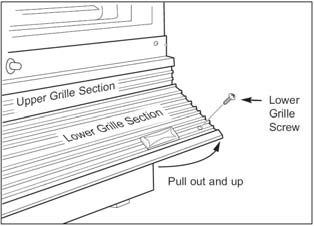
The internal drain tube in your freezer requires periodic attention to ensure proper functionality, and a clogged drain can contribute to improper pressure management within the appliance. While this connection might not seem obvious, the drain system plays a role in how your freezer manages internal conditions.
To maintain the drain system, locate the drain tube—typically found near the compressor tray at the bottom or back of the appliance. Empty the compressor tray completely, then introduce a small amount of water into the drain system. Watch the compressor tray to confirm water appears, indicating the drain is functioning correctly. If water doesn’t appear or drains very slowly, the tube may be partially clogged and require cleaning.
The compressor tray itself also requires proper management. This tray collects water from the compressor, and if it becomes filled and the end of the drainage tube becomes submerged below the water level, the drainage system fails entirely. The tray should be emptied regularly, and the tube end must be positioned above the water level to allow proper drainage. Standing water in the tray creates conditions that can affect overall appliance performance and potentially contribute to pressure irregularities inside the freezer compartment.
When to Call a Professional
Most cases of strong freezer door suction resolve through the maintenance and adjustment procedures described above. However, persistent issues that don’t respond to these troubleshooting steps may indicate underlying mechanical problems requiring expert assessment. Knowing when to seek professional help prevents unnecessary frustration and potential damage from continued DIY attempts.
If you’ve tried the leveling adjustments, seal cleaning, and drain maintenance without improvement, an underlying issue may exist that isn’t apparent through standard troubleshooting. Worn or damaged hinge components can prevent the door from closing evenly, creating areas of excessive suction. In these cases, an authorized service engineer can perform comprehensive diagnostics to identify the specific problem and recommend appropriate repairs.
Contact an Authorized Service Center when self-troubleshooting fails. Document the specific symptoms you’re experiencing, including when they occur and what you’ve already attempted. This information helps the service technician diagnose the problem more efficiently. Many manufacturers offer service visit arrangements through their support channels, making it straightforward to schedule professional assessment when needed.
Summary: Managing Freezer Door Suction
Strong freezer door suction is a natural consequence of thermal physics working inside your appliance. The vacuum effect stems from cooling air contracting and creating pressure differentials between the interior and exterior of the freezer. While this creates temporary opening difficulties, the condition is normal and not indicative of appliance malfunction.
Addressing suction issues typically involves a combination of operational adjustments and preventive maintenance. Closing doors gently rather than slamming them prevents creating stronger vacuations than necessary. Regular seal inspection and cleaning keeps the gasket functioning properly. Proper appliance leveling ensures even door seating and normal pressure equalization. Maintaining the drain system contributes to overall proper functioning.
Most cases resolve successfully through these straightforward approaches. The techniques for quick relief when doors stick—including the corner release method and timing your reopenings—provide immediate solutions while you implement longer-term fixes. Establishing regular maintenance habits prevents suction issues from becoming recurring frustrations. When standard troubleshooting doesn’t resolve the problem, professional service remains available to address any underlying mechanical issues that may be affecting your freezer’s door operation.