How to Defrost a Freezer: Quick Guide
That moment when you open your freezer and discover thick ice layers covering shelves and walls—sound familiar? If you’re wondering exactly how long it takes to defrost a freezer before you can restore normal operation, you’re not alone. Most standard manual-defrost freezers require between 4 and 24 hours for complete defrosting, but your actual timeline depends on several critical factors. Understanding these variables helps you plan this essential maintenance task without risking food spoilage or damaging your appliance. This guide reveals realistic time expectations for every common defrosting method, the specific factors that influence duration, and step-by-step procedures to get your freezer back in action as efficiently as possible.
Natural Room-Temperature Defrosting Timeframes
Choosing the passive approach means unplugging your freezer and letting ambient air gradually melt ice buildup. This safest method requires patience but delivers thorough results with minimal risk of damage to your appliance.
Standard Freezers (3-5 Cubic Feet)
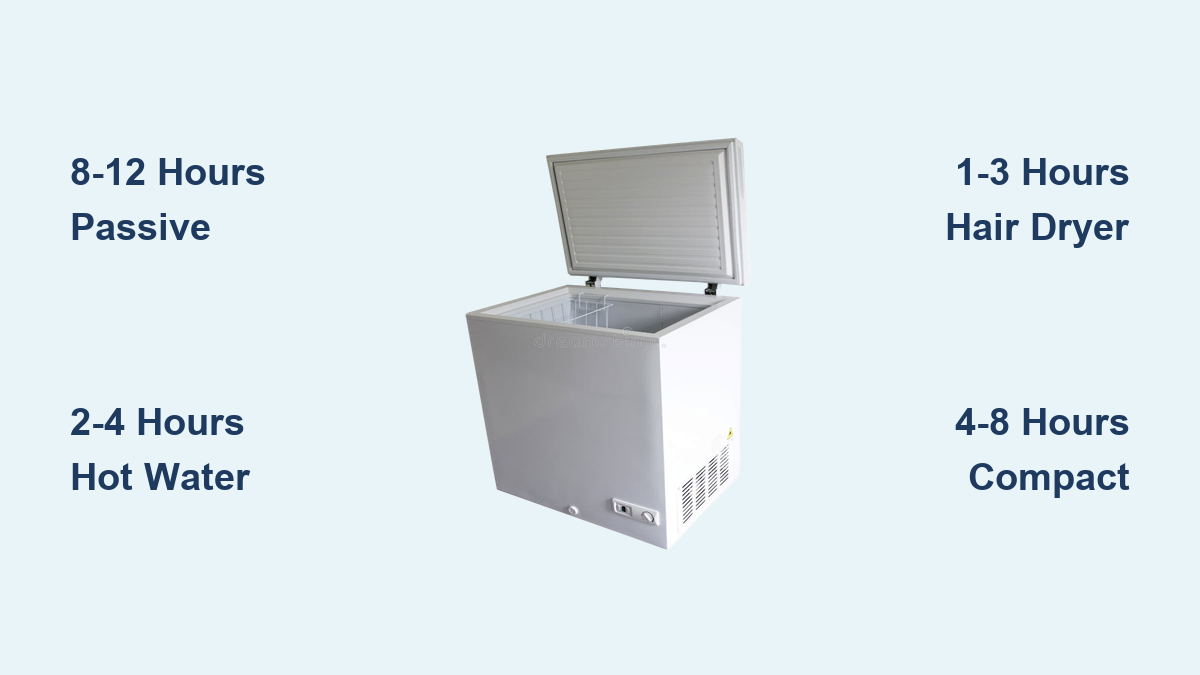
A typical household freezer with moderate ice accumulation (¼ to ½ inch) needs 8 to 12 hours to fully defrost at room temperatures between 68°F and 72°F. You’ll notice visible water dripping within the first 2 to 4 hours as the outer ice layers begin loosening. Complete ice detachment usually occurs around the 8-hour mark, though residual moisture requires additional drying time before restarting. Plan for the full 12-hour window to ensure thorough completion, especially if your kitchen runs cooler than average.
Large Chest Freezers (10-15 Cubic Feet)
The increased ice volume in larger units significantly extends defrosting time. Expect 12 to 18 hours for complete ice removal using passive methods. The horizontal design of chest freezers causes water to pool inside, requiring frequent emptying of collection containers. Position multiple shallow pans at different interior levels to manage drainage effectively throughout the process.
Compact Freezers (Under 3 Cubic Feet)
Smaller units defrost much faster due to reduced thermal mass. A mini-fridge or apartment-sized freezer typically completes the process in 4 to 8 hours under passive conditions. The reduced interior space means you’ll need to monitor water collection more frequently, as small units can overflow quickly despite their compact size.
Accelerated Defrosting Methods That Save Hours
When you need faster results, these proven techniques dramatically reduce defrosting time while maintaining appliance safety.
Hot Water Bowl Method: 2-4 Hour Solution
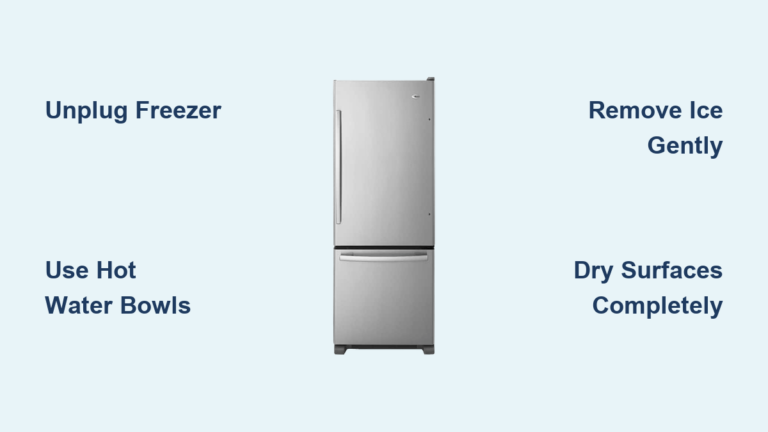
Place 2-3 bowls of recently boiled water inside your unplugged freezer and close the door. The steam created transfers heat directly to ice surfaces, causing rapid detachment. Replace the water every 30-45 minutes as it cools, and gently remove loosened ice sections with a plastic spatula. Critical safety tip: Always position bowls on wooden cutting boards to prevent thermal shock to plastic components. This method typically cuts defrosting time in half compared to passive approaches.
Hair Dryer Technique: Complete in 1-3 Hours
Hold a hair dryer 6-8 inches from ice surfaces on low to medium heat, continuously moving in sweeping motions. Direct heat at ice edges first where natural detachment begins. Essential warning: Never operate a hair dryer near standing water—maintain electrical connections well away from melt zones. This method provides the fastest results but demands constant attention to prevent overheating specific areas.
Fan-Assisted Defrosting: 40% Faster Than Passive
Position a room-temperature fan to blow air into your open freezer, circulating warm air across ice surfaces. This approach typically completes standard freezer defrosting in 4 to 6 hours and eliminates electrical safety concerns associated with heat-generating devices. For best results, angle the fan to create cross-ventilation that reaches all interior surfaces evenly.
Ice Thickness: Your Biggest Time Determinant

The single most significant factor affecting defrost duration is how thick your ice buildup has become. Frost acts as an insulator that slows heat transfer, creating a self-perpetuating cycle where thicker ice requires proportionally longer defrosting times.
Light Frost (Under ¼ Inch)
This feathery coating wipes away easily and typically defrosts in 2 to 4 hours using passive methods. Light frost often results from regular maintenance or newer units with effective door seals. If you notice this level of accumulation, your freezer is operating efficiently.
Moderate Frost (¼ to ½ Inch)
Visible ice crystal formation indicates it’s time for maintenance. Passive defrosting requires 6 to 10 hours, while accelerated methods complete the task in 2 to 4 hours. This accumulation level reduces efficiency by up to 30% and should be addressed promptly to prevent further buildup.
Heavy Frost (½ to 1 Inch)
Significant ice layers substantially extend defrosting timelines. Passive methods may require 12 to 16 hours, and the thickest sections often need mechanical assistance. This condition typically indicates door seal issues or extended periods since your last defrosting session.
Step-by-Step Natural Defrost Procedure

Follow this method for the safest, most thorough defrosting results when you have time to plan.
Preparation Phase: 2-3 Hours Before Starting
Transfer all frozen contents to coolers packed with ice or ice packs, grouping items together to minimize cooling requirements. Unplug the freezer completely—merely turning off the temperature control leaves electrical systems energized. Position towels and shallow drip pans around the base to protect flooring, remembering that one cubic foot of ice yields approximately 2.5 gallons of water.
Active Defrosting Phase: 8-18 Hours
Check water collection containers every 2-3 hours, emptying and repositioning as needed. As ice sections loosen, gently remove them with a plastic spatula rather than metal tools that could puncture refrigerant lines. For chest freezers, periodically tilt the unit slightly to facilitate water drainage toward the front.
Cleanup and Restart: 1-2 Hours
Wipe interior surfaces with a solution of two tablespoons baking soda per quart of warm water to neutralize odors. Dry all surfaces completely, paying special attention to corners and gasket channels. Allow the interior to air dry for 15-30 minutes with the door open before plugging in and setting temperature controls to -18°F (-8°C). Wait 4-6 hours for the unit to reach operating temperature before restocking.
Preventing Future Frost Buildup
Regular maintenance extends the time between required defrosting sessions and preserves energy efficiency.
Optimal Defrost Frequency
Most manufacturers recommend defrosting when ice accumulation reaches ¼ inch thickness. For average household freezers with properly functioning door seals, this typically occurs every 6 to 12 months. Freezers in humid environments or with frequent door access may require defrosting every 3 to 6 months.
Door Seal Maintenance Checklist
- Inspect gaskets monthly for cracks, tears, or deformation
- Clean sealing surfaces with warm water and mild soap
- Test seal effectiveness by closing a dollar bill in the door—if it slides out easily, the seal needs attention
- Apply a thin layer of petroleum jelly annually to maintain flexibility
Safety Guidelines During Defrosting
Food Safety Protocol
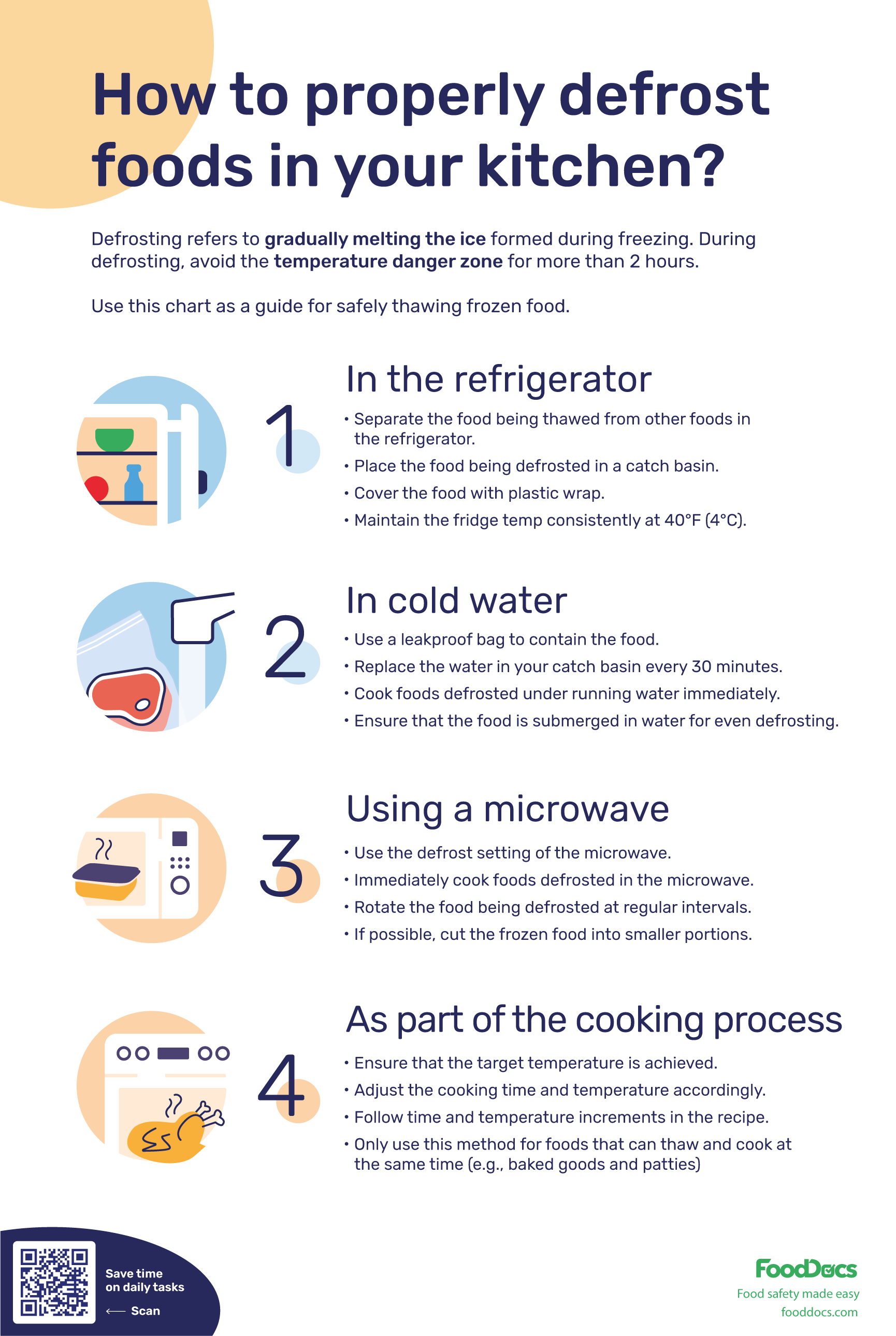
Frozen food remains safe below 40°F, but bacterial growth accelerates rapidly above this threshold. Use properly insulated coolers rated for extended ice retention—they maintain safe temperatures for approximately 4 to 6 hours. Discard any food showing signs of thawing and refreezing, such as freezer burn, unusual odors, or color changes.
Electrical Safety Essentials
Always unplug the freezer completely before beginning defrosting. Verify disconnection by confirming interior lights don’t activate when the door opens. Position all electrical cords away from melt water accumulation—never allow standing water to contact outlets or extension cords.
Time-Saving Quick Reference
- Compact freezers with light frost: 3-4 hours naturally or 30-60 minutes with a hair dryer
- Standard freezers with moderate frost: 8-12 hours passively or 2-4 hours with hot water
- Large freezers with heavy frost: 14-18 hours naturally or 3-4 hours with accelerated methods
The most reliable expectation for a standard household freezer with moderate ice accumulation is 8 to 12 hours using passive room-temperature methods, or 2 to 4 hours with accelerated techniques. Planning for the full anticipated duration, including preparation and cleanup time, ensures the process completes without rushed reassembly that could compromise performance. Proper food storage planning, water management preparation, and thorough post-defrost drying restore optimal freezer performance and extend equipment service life. Remember that regular maintenance every 6-12 months prevents extreme ice accumulation and keeps your freezer operating at peak efficiency.