Do Bananas Go Bad in the Freezer? Storage Tips
You’ve probably stared at a bunch of bananas turning brown on your counter, wondering if freezing them is a good idea—or if they’ll eventually spoil even in sub-zero temperatures. The truth is, frozen bananas are one of the most misunderstood food preservation success stories in your kitchen. While fresh bananas typically spoil within days, properly frozen bananas remain completely safe to eat for years, though their quality does gradually decline over time. Understanding the difference between “safe to eat” and “optimal quality” is crucial for making the most of your frozen banana stash.
When you freeze bananas correctly, they transform from a perishable fruit into a versatile kitchen staple perfect for smoothies, baking, and desserts. But confusion about freezer storage timelines leads many home cooks to unnecessarily discard perfectly good frozen bananas or, conversely, use degraded fruit that affects recipe outcomes. This guide cuts through the confusion with science-backed information about frozen banana longevity, storage best practices, quality indicators, and creative ways to use frozen bananas before quality declines—ensuring you never waste another bunch again.
How Long Frozen Bananas Actually Last
Frozen bananas maintain their best texture, flavor, and nutritional profile for approximately one year when stored under proper conditions. This twelve-month window represents the quality guarantee, meaning your bananas will look, taste, and perform best in recipes during this period. However, this timeline describes optimal quality rather than safety—frozen bananas remain safe to eat well beyond the one-year mark, though progressive quality degradation should be expected the longer they remain frozen.
The distinction between quality preservation and food safety matters considerably for practical kitchen decisions. A banana that has been frozen for fourteen months hasn’t become dangerous to consume, but you should anticipate that its texture may be softer than ideal, its flavor slightly diminished, and its appearance less appealing than fresher frozen specimens. For best results, consider labeling your frozen bananas with the date they entered the freezer, allowing you to use older portions first in a first-in-first-out rotation system.
Home freezer temperatures typically hover around 0°F (-18°C), which effectively halts bacterial growth and microbial activity. This means your frozen bananas exist in a state of suspended animation, neither deteriorating significantly nor becoming unsafe through typical storage durations. The primary concerns with extended frozen storage relate to quality factors like texture and flavor rather than food safety, making frozen bananas a remarkably forgiving preservation method compared to many other foods.
Spot Signs of Freezer Burn on Bananas
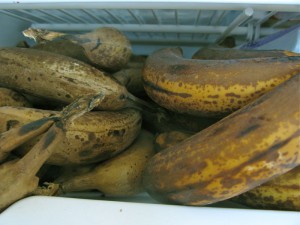
Freezer burn represents the most common quality issue affecting frozen bananas, and learning to identify it helps you make informed decisions about whether to use, trim, or discard your frozen fruit. Freezer burn occurs when moisture escapes from the banana’s surface and crystallizes, creating dry, discolored patches that compromise both texture and flavor. These patches typically appear white, gray, or brownish and feel dry or papery to the touch rather than smooth and moist.
When you discover freezer burn on your bananas, resist the urge to automatically discard them. Freezer burn affects only the surface areas showing visible damage, and the underlying banana tissue typically remains perfectly fine to eat. Simply trim away the freezer-burned portions using a knife or, for heavily affected bananas, peel away the damaged outer layers. The remaining banana, though potentially slightly softer than ideal, retains its flavor and nutritional value and works perfectly well in cooked applications like banana bread where texture matters less than in fresh consumption scenarios.
Prevention remains the smarter approach to freezer burn management. Understanding that freezer burn results from moisture loss leads directly to the solution: creating an airtight barrier between your bananas and the cold, dry freezer air. Packages that seal completely prevent the sublimation process that creates freezer burn, protecting your bananas’ quality throughout their storage life.
Store Bananas Correctly in Freezer
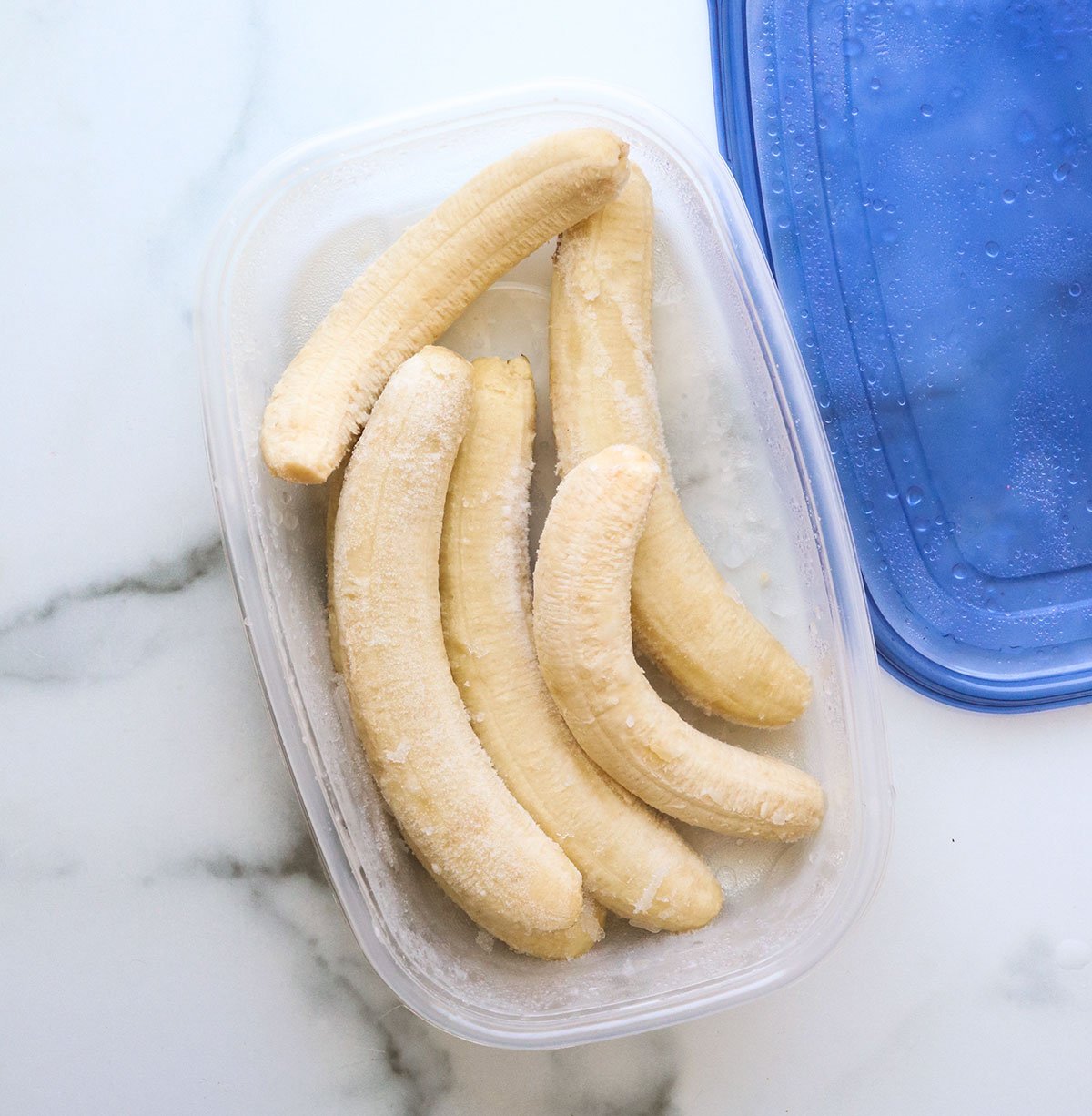
Proper storage methodology dramatically impacts how long your frozen bananas maintain quality, making technique selection worth the minimal effort involved. Airtight containers and freezer-safe bags represent the gold standard for frozen banana storage, each offering distinct advantages depending on your needs and preferences.
Freezer-safe bags provide excellent space efficiency, allowing you to flatten bananas for compact storage and easily squeeze out excess air before sealing. This compression capability makes bags particularly attractive for home cooks with limited freezer space or those freezing large quantities of bananas. Quality matters when selecting bags—invest in thicker, reputable brands designed specifically for freezer use rather than standard sandwich bags, which tear more easily and provide less reliable seals. Press out as much air as possible before sealing, either by hand-rolling or using a straw to create suction for vacuum-sealed effects.
Airtight containers offer superior protection against crushing and maintain their shape, making them ideal for storing whole bananas or larger pieces that might get damaged in bags. Containers also stack neatly, maximizing freezer shelf organization and making it easier to see what you have stored. The tradeoff involves slightly more storage space compared to flattened bags, but the organizational benefits often outweigh this consideration for many home cooks.
Preparation before freezing directly influences your frozen bananas’ utility when you eventually use them. Peeled and sliced bananas require zero preparation when you’re ready to use them—just open the bag and add them directly to your smoothie or recipe. Whole frozen bananas, while requiring peeling before use, take up more space and demand more effort when the time comes. For most applications, particularly smoothies and baking, slicing bananas into quarter-inch rounds before freezing provides the ideal balance of convenience and versatility.
Check Quality Before Using Frozen Bananas
Visual and olfactory assessment takes only moments but ensures your frozen bananas meet quality standards before they reach your plate or blender. Developing a quick inspection routine helps you catch quality issues early and make appropriate decisions about usage—whether that means proceeding as planned, trimming damaged portions, or redirecting lower-quality bananas to cooked applications.
Visual inspection begins with examining the banana’s surface for the freezer burn indicators discussed earlier. Look for white, gray, or brown patches that appear dry or crystalline compared to the surrounding frozen fruit. Also note any unusual discoloration beyond typical browning—while bananas naturally darken over time, particularly after thawing, unusual colors like green, pink, or fuzzy growths indicate problems requiring disposal. Ice crystals forming on the surface or inside packaging suggest temperature fluctuations that may have affected quality, though this doesn’t necessarily mean the bananas are unsafe.
Olfactory assessment provides crucial information about flavor integrity that visual inspection cannot reveal. Fresh frozen bananas retain their characteristic banana aroma, though this scent may be somewhat muted compared to fresh fruit at room temperature. Any sour, fermented, or otherwise unpleasant odors indicate potential spoilage or absorption of strong odors from nearby freezer contents. Trust your sense of smell—if something seems off about the smell, it’s safer to discard the bananas than to risk an unpleasant tasting experience.
Best Uses for Frozen Bananas
Certain applications showcase frozen banana qualities particularly well, transforming potential quality compromises into culinary advantages. Understanding which uses suit frozen bananas best helps you plan your freezer inventory and maximize satisfaction with your preserved fruit.
Smoothie applications represent perhaps the most popular use for frozen bananas, and with good reason. Frozen bananas provide natural sweetness, thick consistency, and creamy texture that mimics dairy-based smoothies without requiring any dairy. The freezing process actually benefits smoothie preparation, as cold bananas help create thick, frosty beverages without needing added ice. Simply add frozen banana pieces to your blender with your choice of liquid and other ingredients, processing until smooth. For best results, use slightly more liquid than you would with fresh fruit, as the frozen pieces require additional moisture to process smoothly.
Baking applications leverage frozen banana qualities that might seem like drawbacks in other contexts. Banana bread, muffins, pancakes, and other baked goods benefit from very ripe bananas—the riper the better—and frozen bananas that have passed their fresh prime often provide ideal ripeness for baking. The enhanced sweetness and concentrated flavor of overripe frozen bananas translates directly into more flavorful baked goods. Additionally, partially thawed frozen bananas mash more easily than fresh fruit, simplifying preparation and ensuring smoother incorporation into batters.
Extend Banana Life in Freezer
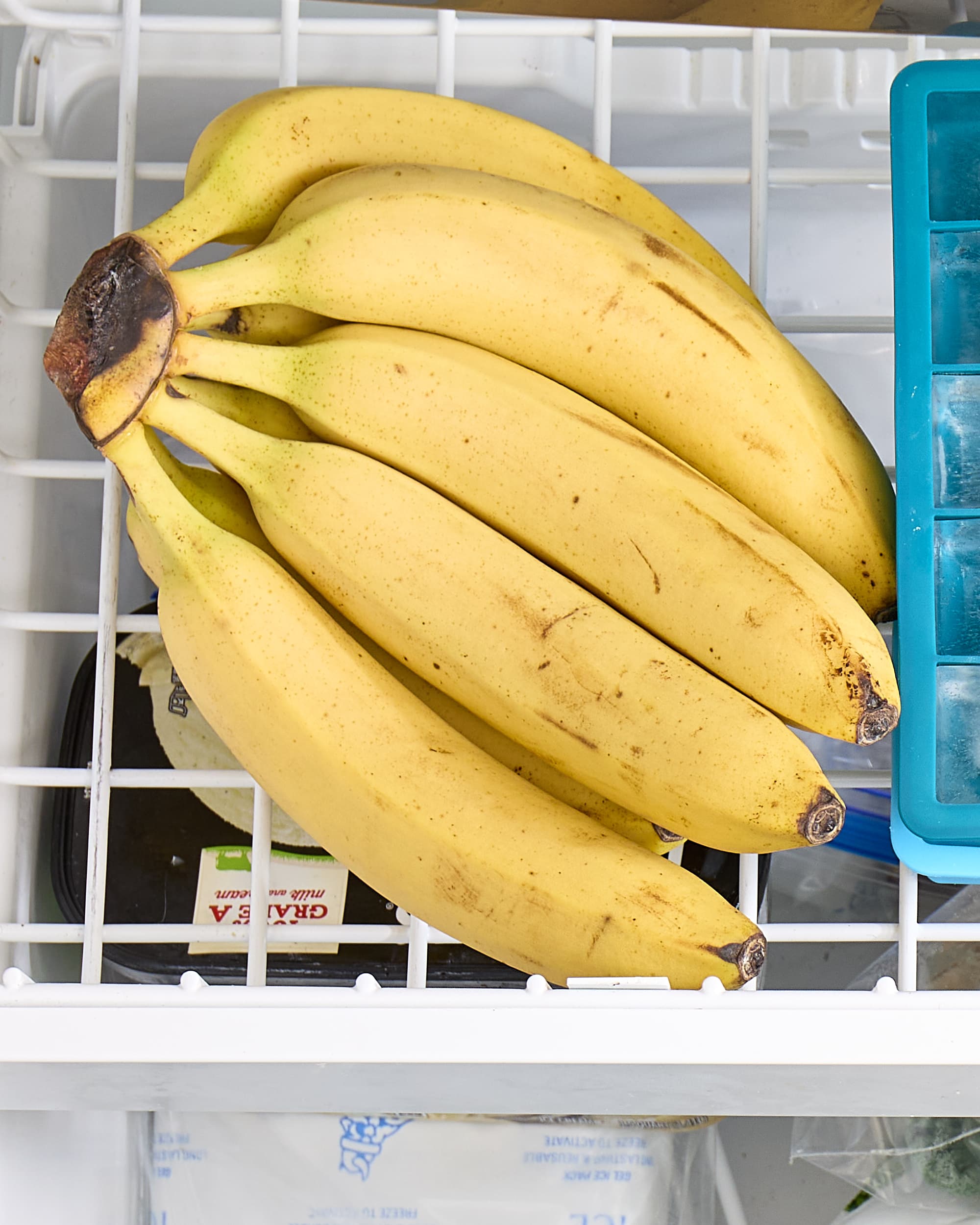
Maximizing frozen banana quality throughout storage requires attention to a few key factors that influence preservation outcomes. Implementing these practices ensures your bananas remain in optimal condition for as long as possible, reducing waste and improving your culinary results.
Temperature consistency matters more than achieving the absolute lowest temperature. Home freezers should maintain 0°F or below, but fluctuations caused by frequent door opening, overfilling, or malfunctioning equipment compromise quality over time. Avoid placing frozen bananas near the freezer door where temperature variations are most pronounced, and ensure your freezer seal closes completely. A simple freezer thermometer allows you to monitor actual temperatures and identify any concerning fluctuations before they affect your food.
Air removal from packaging provides the single biggest quality improvement for home-frozen bananas. The more completely you remove air from bags or containers, the less opportunity for freezer burn to develop and the less chance for surrounding odors to penetrate your bananas. For freezer bags, press out air manually or use a straw to create vacuum suction. For containers, fill them as completely as possible with minimal headspace, as less air means less potential for moisture loss and odor absorption.
Quick Decision Guide for Frozen Bananas
When assessing your frozen bananas, certain factors help you determine the appropriate action. Bananas that show minimal freezer burn, smell pleasant, and have been stored for less than twelve months represent optimal quality and work well in any application. Bananas with moderate freezer burn but no off-odors remain perfectly suitable for smoothies, baking, and cooking where slight textural compromises won’t affect results. Bananas exhibiting strong off-odors, unusual discoloration beyond typical browning, or signs of microbial growth should be discarded rather than risk an unpleasant or potentially unsafe consumption experience.
The freezer remains an excellent preservation method for bananas that would otherwise go to waste. By understanding quality timelines, storage best practices, and appropriate usage for different quality levels, you can confidently freeze bananas at any ripeness stage and use them successfully for months to come. Whether you’re meal prepping for healthy smoothies, stocking up on sale-priced bananas, or simply trying to reduce household food waste, frozen bananas offer practical value that makes them worth the minimal effort required for proper storage.