When to Take a 20lb Turkey Out of the Freezer (2026 Guide)
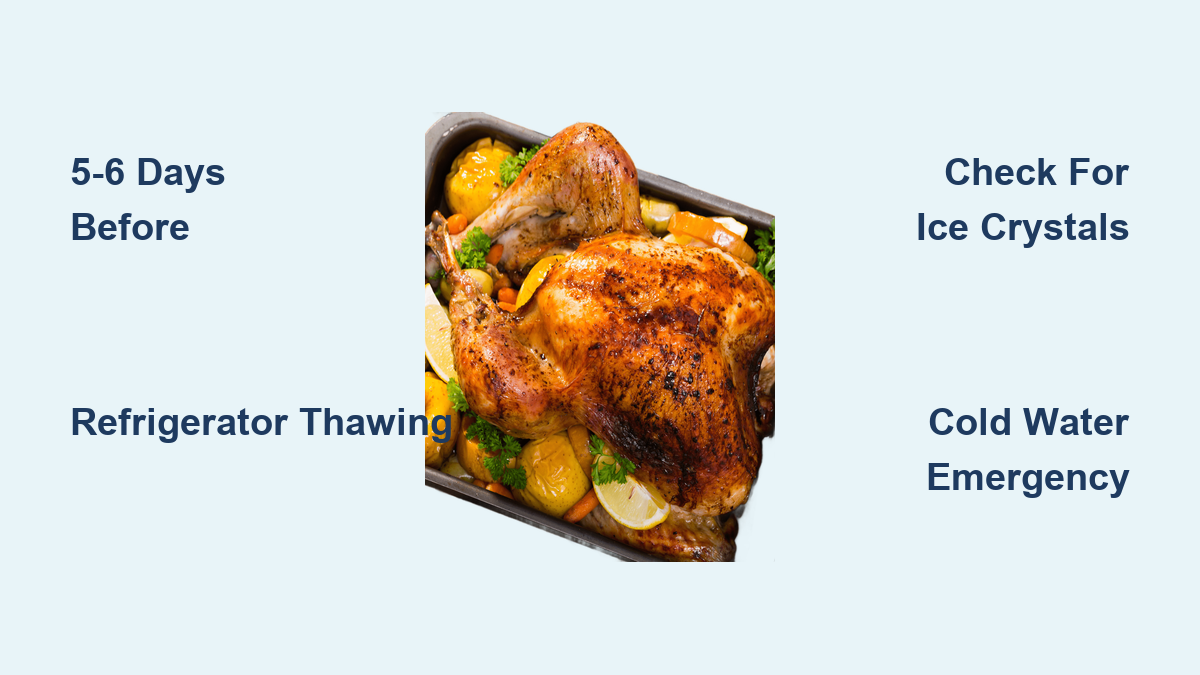
Nothing derails holiday dinner plans faster than discovering your 20-pound turkey is still frozen solid on Thanksgiving morning. Knowing precisely when to take a 20lb turkey out of the freezer separates stress-free celebrations from last-minute kitchen disasters. The USDA recommends four to five days of refrigerator thawing time for a turkey this size—meaning you should move your bird from freezer to fridge approximately five to six days before cooking to build in a safety buffer. This one critical timing decision impacts your entire holiday schedule, and getting it wrong means either scrambling with a half-frozen bird or unnecessarily worrying about a turkey sitting thawed in your refrigerator for days. Let’s cut through the confusion with a clear, actionable timeline that ensures your centerpiece arrives perfectly thawed and ready for roasting.
Calculate Your Exact 20lb Turkey Thawing Timeline Backward from Thanksgiving
For a 20-pound turkey destined for your Thanksgiving table, working backward from your cooking time is non-negotiable for stress-free preparation. If you plan to roast at 4:00 PM on Thanksgiving Thursday, you should transfer your turkey from the freezer to the refrigerator between the previous Saturday and Sunday—Saturday being the safer choice. The USDA’s guideline of one day per four to five pounds means your 20-pound bird needs four to five days minimum, but experienced holiday cooks universally recommend adding one extra day as insurance against refrigerator temperature fluctuations or packaging issues that might slow thawing.
How to Determine Your Saturday-to-Sunday Freezer-to-Fridge Transition Window
Your ideal freezer-to-fridge transfer window opens five full days before cooking and closes six days prior. For Thursday Thanksgiving dinner, this means Saturday provides five full days of thawing time (Saturday, Sunday, Monday, Tuesday, Wednesday), while Sunday offers four days. The difference between these dates is precisely why choosing Saturday delivers peace of mind—you’ll have a completely thawed turkey by Tuesday afternoon with two full days to spare before roasting. Mark your calendar with “FREEZER TO FRIDGE” in bold letters on this Saturday date, and set two phone reminders—one for the morning and one for evening—to ensure you don’t overlook this critical step.
Why Your 20-Pound Bird Needs 5-6 Days Instead of Just 4-5 Days
While the USDA’s four to five day guideline is technically sufficient, the margin for error with a 20-pound turkey is razor-thin when following minimum recommendations. Larger birds develop ice pockets deep in the breast and thigh areas that take longer to thaw than surface areas. A single degree above 40°F in your refrigerator can add 12-24 hours to thawing time without you realizing it. That “extra” day creates breathing room for unexpected refrigerator temperature fluctuations, packaging variations between brands, or simply the natural density differences in larger turkeys. Better to have your turkey fully thawed and waiting safely in the fridge than racing against the clock on holiday morning.
Refrigerator Thawing: The 5-Day Safety Buffer for Your 20-Pound Turkey

Keeping your 20-pound turkey in the refrigerator during thawing is the only method that provides true flexibility and safety without constant monitoring. This approach requires planning ahead but pays off with a stress-free holiday morning when your turkey is already perfectly thawed and ready for seasoning. The consistent cold temperature prevents bacterial growth while allowing natural enzymatic processes to continue safely.
How to Set Up Your 20lb Turkey for Safe Refrigerator Thawing
Place your wrapped turkey breast-side down on a rimmed baking sheet or roasting pan to catch any potential leaks—this prevents cross-contamination with other foods below. Keep the turkey in its original packaging or transfer it to a leak-proof plastic bag if the store wrapping appears compromised. Position the pan on the bottom shelf of your refrigerator where temperatures are most consistent, and verify your fridge maintains 40°F or below using a standalone thermometer (not just the built-in display). Check the pan daily for accumulated liquid and empty it as needed to prevent the turkey from sitting in pooled juices.
Why Bottom Shelf Placement Prevents Cross-Contamination Risks
Storing your thawing turkey on the bottom shelf isn’t just recommended—it’s essential food safety. As ice melts from the bird, juices containing potential bacteria will drip downward. If you place the turkey on an upper shelf, these contaminated liquids could fall onto ready-to-eat foods like cheeses, fruits, or prepared salads below. The bottom shelf ensures any drips remain contained, protecting your entire holiday spread from potential contamination. This simple positioning choice eliminates one of the most common food safety hazards during turkey thawing.
Spot These 3 Signs Your 20lb Turkey Is Fully Thawed (No More Ice Crystals)
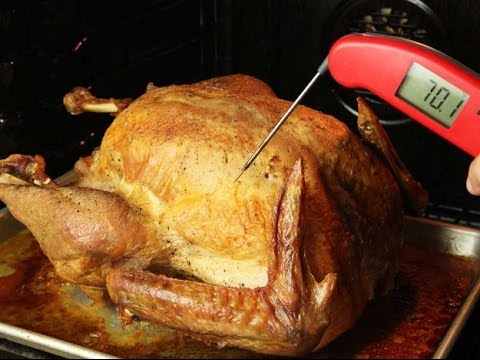
Knowing when your turkey has completely thawed prevents the Thanksgiving morning panic of discovering frozen sections during preparation. The most reliable test is inserting your fingers into both the breast and thigh cavities—you should feel pliable meat with no hard, icy spots and be able to move the giblet packages freely. A fully thawed 20-pound turkey will feel flexible when lifted, with no stiffness in the wings or legs.
How to Check for Flexible Meat and Freely Moving Giblets
Gently squeeze the thickest part of the breast and thigh areas through the packaging—if you encounter any resistance or hard spots, return the turkey to the refrigerator for another 12-24 hours. Reach inside the main cavity to locate the neck package and giblet bag; they should move easily without the surrounding meat feeling rigid. If you can’t remove these packages without force, your turkey needs more thawing time. Remember that the center of a 20-pound bird takes longest to thaw, so don’t be fooled by soft outer sections while the core remains frozen.
Avoid These 5 Critical Thawing Mistakes with Your 20-Pound Turkey
Holiday cooks frequently sabotage their own success by making preventable errors during the thawing process. The most dangerous mistake is thawing your turkey at room temperature on the counter—this allows the outer layers to enter the “danger zone” (40°F-140°F) where bacteria multiply rapidly while the interior remains frozen. Never leave your turkey unattended during cold water thawing; skipping the required 30-minute water changes creates bacterial breeding grounds.
Why Room Temperature Thawing Creates Dangerous Bacteria Growth
When you thaw a turkey at room temperature, the outer inch of meat reaches unsafe temperatures within 30-60 minutes while the center remains frozen solid. This creates perfect conditions for bacteria like salmonella to multiply exponentially—doubling every 20 minutes in the danger zone. A single contaminated turkey can contain enough bacteria to make multiple people seriously ill. The refrigerator method keeps the entire bird below 40°F throughout thawing, preventing this dangerous bacterial growth while still allowing the ice crystals to melt safely over time.
Post-Thaw Storage: How Long Your 20lb Turkey Can Wait Before Cooking
Once your 20-pound turkey has completely thawed in the refrigerator, you have significant flexibility in your cooking schedule. A properly thawed turkey can remain safely in the refrigerator for up to four days before cooking while maintaining quality and safety. This means if your turkey finishes thawing on Tuesday for a Thursday dinner, it will stay perfectly safe until you’re ready to roast it.
The 4-Day Refrigerator Window After Complete Thawing
During this post-thaw storage period, keep your turkey on the bottom shelf in its leak-proof container or original packaging. Check daily for any unusual odors or slimy textures that might indicate spoilage (though this is rare within the 4-day window). If you need to adjust your cooking plans, remember that you can safely delay roasting for up to four days after complete thawing—this buffer makes refrigerator thawing the preferred method for most holiday cooks. Never refreeze a turkey that was thawed using cold water or microwave methods, as partial cooking may have occurred in the outer layers.
Create Your 20-Pound Turkey Thawing Countdown Calendar (With Examples)
Visualizing your thawing timeline prevents last-minute surprises and reduces holiday stress. For Thanksgiving dinner on Thursday, November 28th at 4:00 PM, your critical dates would be:
- Saturday, November 23rd (5 days before): Transfer turkey from freezer to refrigerator (ideal date)
- Sunday, November 24th (4 days before): Absolute latest for refrigerator thawing
- Wednesday, November 27th (1 day before): Verify complete thawing and begin preparation
- Thursday, November 28th: Roast turkey
Sample Schedule for Thursday Thanksgiving Dinner
Imagine your holiday starts stress-free because you followed this timeline: On Saturday morning, you move the frozen turkey from freezer to refrigerator with confidence. By Monday afternoon, you check and find the turkey mostly thawed with only slight firmness in the thickest parts. Tuesday evening, you confirm complete thawing and remove the giblets. Wednesday morning, you apply your dry brine. Thanksgiving morning, you simply season and roast your perfectly prepared bird while enjoying coffee with family—no thawing emergencies, no cold water changes, no panic.
When to Panic: Emergency Solutions If Your 20lb Turkey Is Still Frozen
If you discover your 20-pound turkey remains partially frozen Wednesday evening with Thanksgiving morning looming, don’t resort to dangerous counter thawing. Instead, immediately begin cold water thawing as your emergency solution. This method requires submerging the wrapped turkey in cold water and changing the water every 30 minutes—allowing approximately 30 minutes per pound, so your 20-pound bird needs about 10 hours total.
Cold Water Thawing as Your Last Resort Option
Place your turkey in its original packaging (or a leak-proof bag if packaging is compromised) breast-side down in the cleanest sink or largest container available. Fill with cold tap water until completely submerged, changing the water every 30 minutes to maintain cold temperatures. Check progress after 8 hours—you should be able to insert fingers easily into the breast and thigh cavities. Once fully thawed, cook immediately—do not return to refrigerator or attempt to refreeze. While labor-intensive, this method safely thaws your turkey in time for Thursday roasting when refrigerator timing falls short.
Final Note: Your 20-pound turkey’s thawing timeline isn’t just about food safety—it’s the foundation of a stress-free holiday celebration. By taking your turkey out of the freezer five to six days before cooking and using proper refrigerator thawing techniques, you guarantee a perfectly prepared centerpiece while eliminating one of the biggest sources of Thanksgiving anxiety. Mark your calendar today for that critical freezer-to-fridge transition, and enjoy the peace of mind that comes with knowing your turkey will be ready when you need it.