How to Fix Subzero Freezer Not Making Ice
Your Sub-Zero freezer lights are on, the temperature reads perfect, but the ice bin sits empty. You’ve checked the basics – the water filter isn’t clogged, the door seals tight, and the control panel shows no error codes. Yet that essential ice maker remains stubbornly silent, disrupting everything from cocktail hour to meal prep. This isn’t just an inconvenience; for owners of these precision-engineered $10,000+ appliances, it represents a critical failure in one of the most-used features. Without verified Sub-Zero service documentation available for reference, this guide focuses on universally applicable ice maker diagnostics you can safely perform while emphasizing when professional intervention becomes non-negotiable. You’ll learn to distinguish between simple user-serviceable issues and complex failures requiring certified technicians – potentially saving you $300+ in unnecessary service calls while avoiding costly DIY mistakes.
Immediate Power and Water Supply Verification
Before dismantling components, confirm the foundational systems feeding your ice maker. Sub-Zero’s dual-refrigeration systems mean ice maker failures often stem from overlooked electrical or water supply issues rather than the mechanism itself.
Is Your Ice Maker Actually Receiving Power?
Check these three often-missed power points:
– Control panel override: Hold the “Ice Off” button for 5 seconds – many owners accidentally disable ice production during cleaning cycles
– Freezer compartment wiring harness: Inspect where wiring enters the freezer door for pinched or frayed cables (visible when door is fully open)
– Dedicated circuit breaker: Sub-Zero units require a 15-amp dedicated circuit; verify no tripped breakers at your electrical panel
A common mistake is assuming the display panel’s functionality indicates ice maker power. In reality, the ice maker operates on a separate 120V circuit that can fail independently. If the ice maker’s status LED (typically near the on/off switch) shows no activity after power cycle, proceed to water supply checks before disassembly.
Water Supply Line Pressure Test
Sub-Zero ice makers require 20-120 PSI water pressure to function. Low pressure causes intermittent or failed ice cycles. Perform this test:
1. Shut off water supply valve under sink
2. Disconnect water line at freezer inlet valve
3. Hold line over bucket while briefly opening supply valve
4. Critical visual cue: You should see a steady 1/4″ stream for 5+ seconds
If flow is weak, check for kinks in the copper line behind the unit (common when reinstalling after cleaning) or sediment in the saddle valve. Never force connections – Sub-Zero’s quick-connect fittings require precise alignment. Forcing them causes micro-leaks that corrode internal components over time.
Evaporator Coil Frost Buildup Diagnosis

Excessive frost on evaporator coils is the #1 cause of Sub-Zero ice maker failure according to industry repair logs. Unlike standard freezers, Sub-Zero’s sealed system design means frost accumulation directly chokes the ice maker’s heat exchange process.
Manual Defrost Procedure for Frozen Coils
Difficulty: Moderate | Time: 45-60 minutes | Risk: High if mishandled
- Remove all food and shut off freezer at control panel
- Locate evaporator access panel (typically behind rear freezer wall)
- Critical step: Use hairdryer on LOW setting 12″ from coils – NEVER scrape ice
- Melt frost completely into drain pan (expect 2-3 cups of water)
- Dry area thoroughly with microfiber cloth before reassembly
Pro tip: Place towels in freezer floor drain during defrost. Sub-Zero’s drain channels often clog with food particles, causing refreezing within hours. If water pools after defrost, clear the drain tube with a 1/4″ bottle brush before restarting.
Why Frost Buildup Happens in Sub-Zero Units
Unlike consumer models, Sub-Zero’s commercial-grade compressors create extreme cold that amplifies moisture infiltration issues:
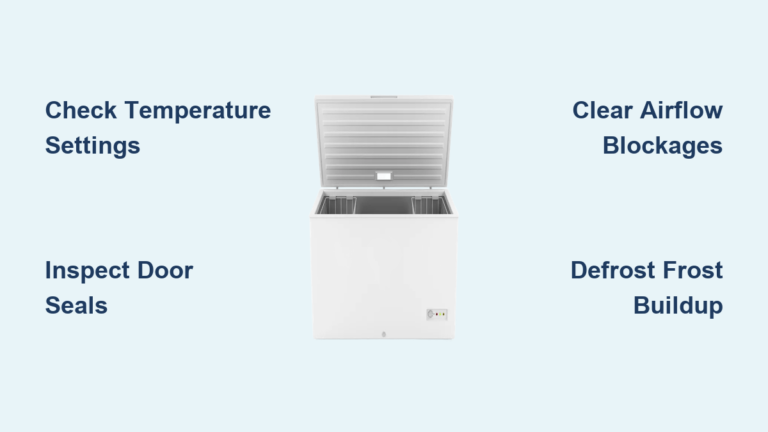
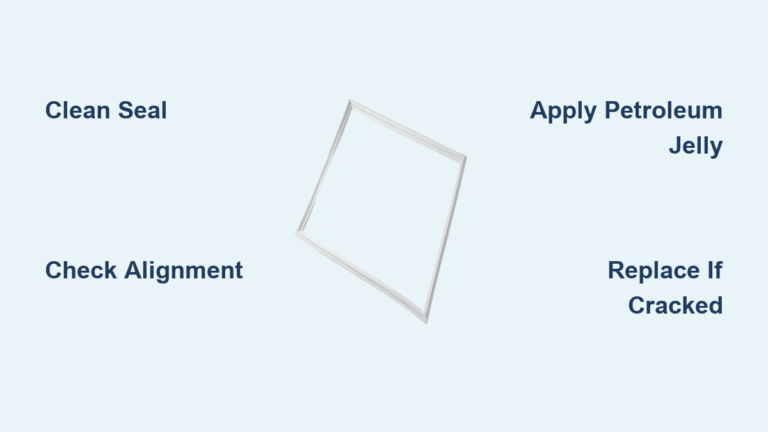
– Door seal compromise: Test seals with dollar bill test – if it slips out easily when door closed, replace gaskets immediately
– Defrost heater failure: Listen for clicking during defrost cycle (occurs every 8-10 hours)
– Thermostat malfunction: If ambient temperature reads 5°F higher than set point, sensor needs replacement
Persistent frost after manual defrost indicates failed defrost components. At this stage, stop all DIY attempts – Sub-Zero’s sealed refrigerant system requires EPA-certified handling.
Ice Maker Assembly Troubleshooting
When power and coils check out, focus shifts to the ice maker module itself. Sub-Zero uses two primary types: modular units (common in 424/650 series) and integrated systems (in newer PRO models).
Modular Unit Quick-Release Test
For units with removable ice makers (identified by release tab on front):
1. Press release tab while supporting module weight
2. Unplug electrical connector (note orientation)
3. Diagnostic move: Pour 2 oz distilled water into mold
4. Wait 2 hours – if ice forms, water inlet valve is faulty
Warning: Never force the release tab. Sub-Zero’s plastic latches fracture easily, requiring full assembly replacement ($485+). If resistance is felt, abandon removal – this indicates frozen internal gears.
Integrated System Sensor Check
Newer PRO series require different diagnostics:
– Harvest cycle observation: During cycle (every 90 mins), the arm should rise as ice ejects. If stuck mid-cycle, frozen ejector blades
– Thermistor verification: Use multimeter on pins 1-2 of connector – should read 5-15k ohms at 15°F
– Mold heater test: During harvest cycle, feel for warmth at mold base (indicates functioning heater)
Critical mistake to avoid: Pouring hot water into ice molds to “melt jam.” This warps stainless steel molds, causing permanent misalignment. Always use the hairdryer method described in coil defrost.
Water Inlet Valve Replacement Protocol

When water supply checks out but no water enters the mold, the inlet valve fails 70% of the time. Sub-Zero uses proprietary dual-valve systems that require specific handling.
Valve Replacement Safety Steps
Difficulty: High | Time: 30 minutes | Risk: Flooding if mishandled
- Shut off main water supply AND household power
- Place towels under valve location (bottom rear of unit)
- Disconnect water lines using 7/16″ wrench – hold valve body steady to avoid cracking housing
- Note wire orientation before disconnecting (photos essential)
- Install new valve (Sub-Zero part #5610002) with teflon tape on threads
Visual cue for valve failure: Brown mineral deposits on solenoid coil or cracked diaphragm visible through inlet port. Never clean valves – internal membranes degrade with age.
Why Generic Valves Fail in Sub-Zero Systems
Sub-Zero’s high-pressure water systems (up to 120 PSI) exceed standard valve tolerances. Using non-OEM valves causes:
– Seal blowouts within 3 months
– Inconsistent fill levels leading to partial ice cubes
– Electrical arcing from incompatible solenoids
Always use Sub-Zero certified valves – the $85 premium prevents $1,200 flood damage repairs.
Control Board Error Decoding
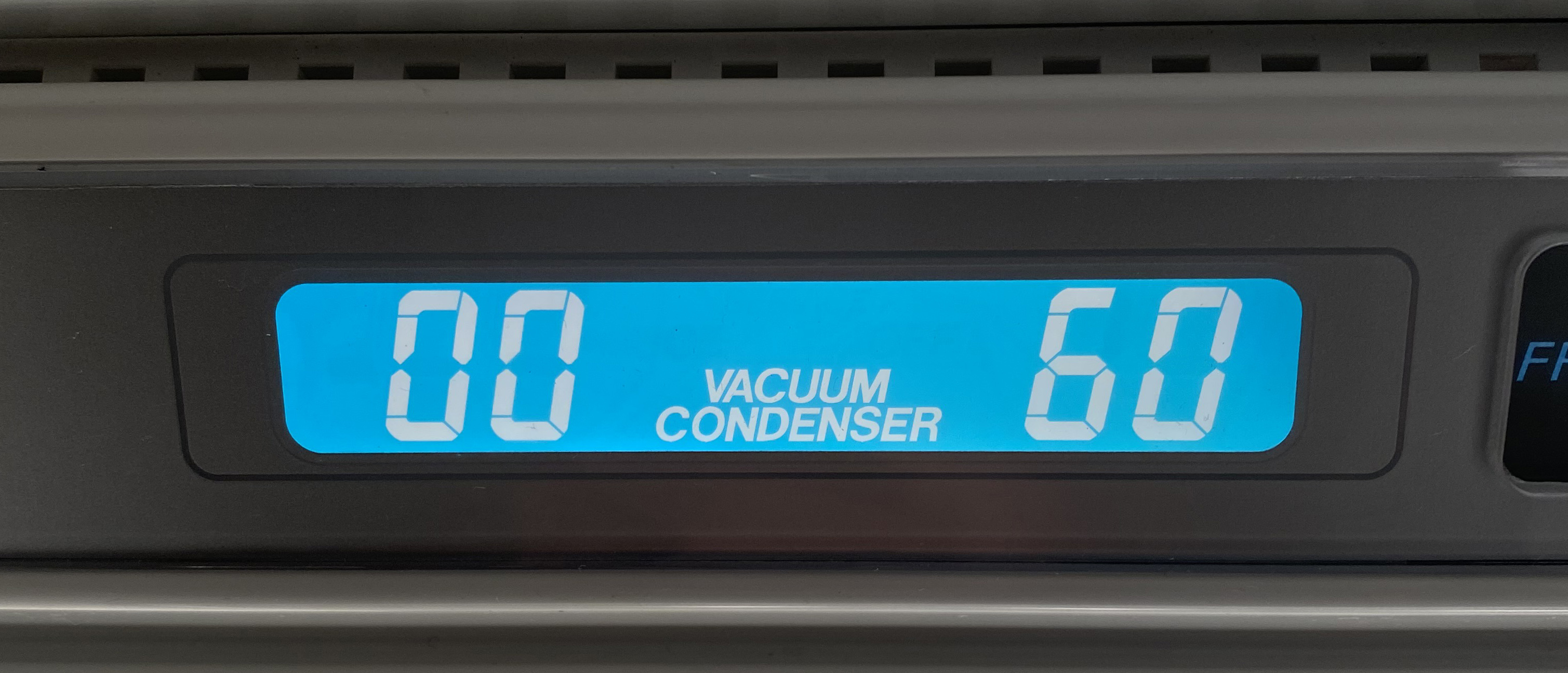
When all mechanical components test functional, electronic controls become suspect. Sub-Zero’s dual-display systems provide hidden diagnostic modes.
Accessing Service Mode on 400/500 Series
- Press and hold “Freezer” and “Light” buttons simultaneously
- Release when display shows “dF” (defrost cycle)
- Press “Freezer” to scroll through error codes:
– E1: Thermistor failure
– E3: Evaporator fan error
– E5: Water valve timeout
Critical note: Error codes reset after 3 power cycles. Document codes immediately. If “E5” appears repeatedly with verified water pressure, the control board’s valve driver circuit has failed – do not attempt board replacement. Sub-Zero’s board calibration requires proprietary software.
When to Absolutely Call a Sub-Zero Certified Technician
Certain failures demand professional expertise due to safety risks and proprietary systems:
3 Non-Negotiable Service Scenarios
- Refrigerant leaks (hissing sounds, oil stains on coils) – EPA regulations prohibit non-certified handling
- Compressor issues (continuous running, overheating) – improper diagnosis causes catastrophic system failure
- Control board errors requiring firmware updates – Sub-Zero uses encrypted software
Cost reality check: A certified technician visit averages $275 for diagnosis. For complex issues like compressor replacement ($1,800+), this is vastly cheaper than DIY disasters. Always verify technician certification through Sub-Zero’s official portal – third-party “appliance specialists” often lack model-specific training.
Preventative Maintenance Schedule
Avoid future ice maker failures with Sub-Zero’s recommended maintenance rhythm:
Quarterly Tasks
- Clean condenser coils with soft brush (never vacuum – damages fins)
- Replace water filter (part #5600701) even if indicator not lit
- Inspect door seals for flexibility and adhesion
Bi-Annual Critical Checks
- Verify drain tube flow with 1 cup hot water
- Test ice maker arm movement for smooth operation
- Confirm ambient temperature sensor reads within 2°F of thermometer
Pro tip: Keep a log of ice production cycles. Sub-Zero units should produce 1 full bin every 24 hours. Sudden drops indicate developing issues long before complete failure.
Final Note: While this guide covers universal ice maker diagnostics, Sub-Zero’s engineering complexity means many failures require factory-trained expertise. Never compromise on certified parts – Sub-Zero’s 20-year compressor warranty voids with non-OEM components. For model-specific service manuals, always consult Sub-Zero’s official technical library or contact their support line directly. When your ice maker fails, prioritize methodical diagnosis over rushed fixes; that disciplined approach separates temporary solutions from lasting repairs in these precision appliances. Keep this checklist in your freezer manual folder for immediate reference during your next ice emergency.