How to Store Ice in Freezer Properly
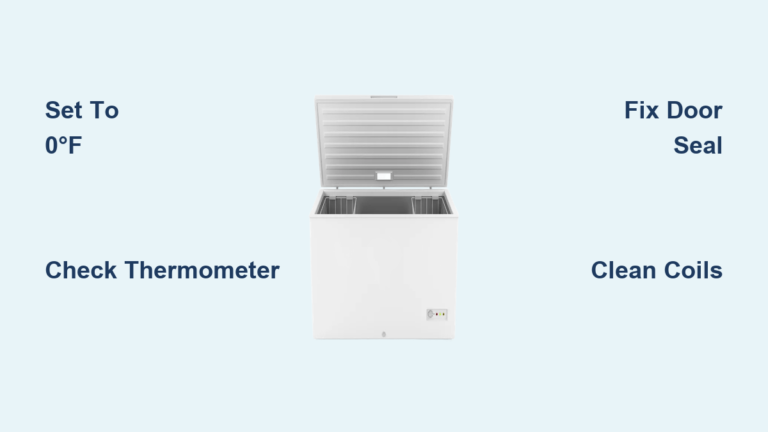
You’ve probably opened your freezer to find your ice cubes tasting like last night’s fish dinner or covered in frost. This frustrating issue happens when ice isn’t stored properly, causing it to absorb freezer odors or develop freezer burn. Proper ice storage isn’t just about convenience—it’s essential for maintaining water quality, preventing flavor contamination, and ensuring your beverages taste fresh. In this guide, you’ll discover the exact methods to store ice in your freezer to preserve its purity, prevent shrinkage, and keep it ready for immediate use whenever you need it.
Many households make critical mistakes with ice storage that compromise both quality and safety. Ice left uncovered in your freezer acts like a sponge, soaking up odors from surrounding foods within hours. Without proper containment, ice cubes also lose moisture through sublimation—the process where frozen water turns directly into vapor—leaving you with less ice than you started with. By implementing the storage techniques outlined here, you’ll extend your ice’s shelf life, maintain crystal-clear cubes, and avoid the unpleasant surprise of flavored ice cubes. Let’s dive into the specific methods that will transform how you store ice in your freezer.
Optimal Ice Storage Containers for Maximum Freshness
Selecting the Right Airtight Container for Your Ice
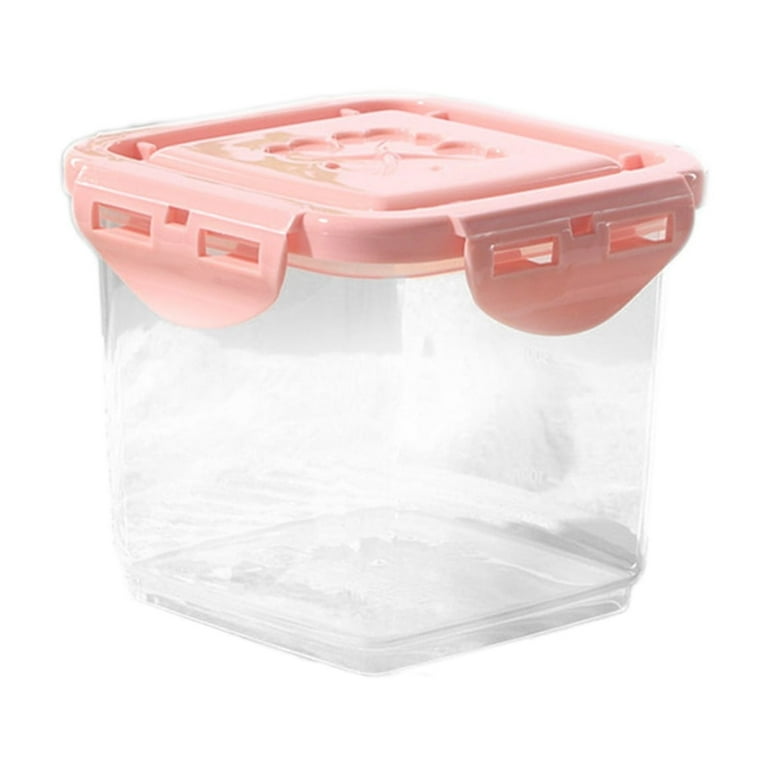
Your container choice directly determines how long your ice maintains its pure taste and quality. Food-grade plastic containers with locking lids provide the best protection against odor absorption while remaining freezer-safe. Look for BPA-free containers specifically designed for freezer use, as standard plastic can become brittle at low temperatures. Glass containers work well too but require careful handling to prevent breakage from expansion. Avoid using flimsy plastic bags that develop micro-tears over time, allowing air and odors to penetrate.
Why Ice Cube Trays Need Proper Storage After Freezing
Leaving ice cubes in their original trays creates multiple problems you can easily avoid. The thin plastic of most ice trays offers minimal odor protection, allowing freezer smells to seep in within 48 hours. Ice stored in trays also tends to sublimate faster due to increased surface area exposure. Once your cubes are fully frozen (typically after 4-6 hours), transfer them immediately to your airtight container. If you need to keep some cubes in the tray for immediate use, at least cover the tray with plastic wrap before returning it to the freezer.
Proper Freezer Organization to Protect Ice Quality
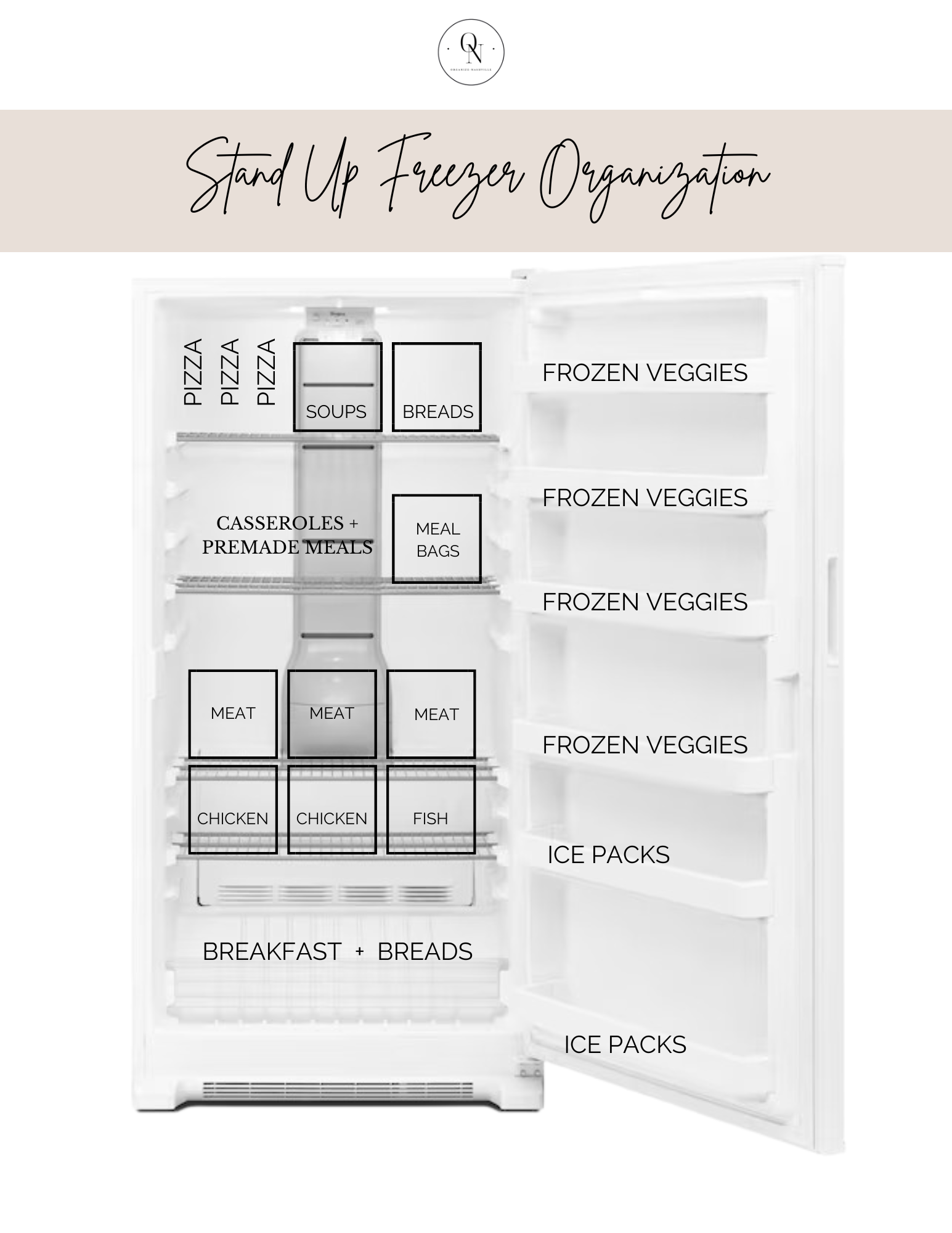
Strategic Freezer Placement for Odor-Free Ice
Where you position your ice container within the freezer significantly impacts its quality. Store ice away from strong-smelling foods like fish, onions, or garlic—ideally in a separate compartment or on the opposite side of the freezer. The back of the freezer typically maintains the most consistent temperature, but avoid placing ice directly against freezer walls where temperature fluctuations occur during defrost cycles. For best results, keep your ice container in the main freezer compartment rather than the door, where frequent opening causes temperature changes.
How to Organize Your Freezer for Efficient Ice Access
Create a dedicated ice storage zone that makes retrieval quick and minimizes freezer door open time. Place your ice container in an easily accessible location near the front of a shelf, but not so close that it gets jostled when other items are moved. If you use ice frequently, consider using a container with a wide opening that allows you to scoop ice without completely removing the container from the freezer. For households that use large quantities of ice, store multiple smaller containers rather than one large bin—this prevents the entire supply from being exposed to air each time you need ice.
Advanced Ice Preservation Techniques for Long-Term Storage
Preventing Ice Sublimation During Extended Freezer Storage
Ice slowly disappears from your freezer through sublimation even when properly stored. To combat this, fill your storage container nearly to the top before sealing it, minimizing the air space where moisture can escape. Adding a thin layer of food-safe plastic wrap directly on the ice surface before closing the lid creates an additional moisture barrier. For ice you won’t use for more than two weeks, consider double-bagging the container in heavy-duty freezer bags for extra protection against moisture loss.
Eliminating Freezer Burn on Stored Ice Cubes
Freezer burn appears as white, cloudy patches on ice surfaces and develops when ice is exposed to air. The solution is simple but requires diligence: always ensure your container is completely sealed with no gaps in the lid. Check container seals periodically for cracks or warping that might compromise the seal. If you notice early signs of freezer burn (slight cloudiness), use that ice first for non-beverage purposes like cooling food or first aid applications. For premium ice quality, replace your stored ice every 3-4 weeks regardless of appearance.
Troubleshooting Common Ice Storage Problems
Why Your Ice Tastes Like the Freezer (And How to Fix It)
That unpleasant freezer taste comes from ice absorbing volatile organic compounds released by other foods. If your ice already has off-flavors, discard the affected batch immediately—the taste won’t disappear once absorbed. To prevent recurrence, place an open box of baking soda in your freezer (away from the ice container) to absorb stray odors. Consider adding a small activated charcoal packet to your ice container for extra odor protection—it’s food-safe and won’t affect taste. Always clean your freezer regularly to remove spilled food residues that contribute to odors.
Stopping Ice Cubes from Sticking Together in Storage
Ice cubes clump together when slight melting occurs during freezer door openings, then refreeze upon closing. To prevent this, spread cubes in a single layer when first transferring them to your storage container, allowing them to chill completely before stacking additional layers. For immediate use, shake the container gently before scooping to separate cubes without breaking them. If cubes do stick together, run the bottom of the container under cool water for 5-10 seconds—never use hot water which can partially melt your ice.
Commercial Ice Storage Solutions for Home Use

Choosing Restaurant-Grade Ice Bins for Home Freezers
Serious ice users can benefit from commercial-style ice storage containers designed specifically for odor prevention. Look for rotomolded polyethylene containers with insulated walls that maintain consistent temperature. These containers feature wide mouths for easy scooping and tight-sealing lids that create a true vapor barrier. While more expensive than standard containers, they dramatically extend ice shelf life and prevent flavor transfer. Measure your freezer space carefully before purchasing, as commercial bins tend to be larger than typical home containers.
Implementing Ice Management Systems for Large Households
Families that use significant ice quantities should consider implementing a first-in, first-out system. Label containers with dates using freezer-safe tape to ensure older ice gets used first. Rotate containers regularly so none sits unused for extended periods. For parties or gatherings, pre-fill multiple smaller containers that can be brought out without exposing your main ice supply to room temperature. Keep a dedicated ice scoop in your freezer to prevent introducing contaminants from your kitchen.
Ice Storage Maintenance Schedule for Peak Quality
Create a simple maintenance routine to ensure your stored ice always meets quality standards. Check your ice container weekly for signs of odor absorption or freezer burn. Clean your ice container thoroughly every time you empty it using a vinegar-water solution (1:1 ratio) to remove any lingering tastes. Replace plastic containers every 6-12 months as they gradually degrade and become more porous. Most importantly, refresh your stored ice supply every 2-3 weeks for optimal taste and quality—ice doesn’t technically expire, but its quality significantly declines over time.
By implementing these targeted storage methods, you’ll consistently have fresh, odor-free ice ready whenever you need it. Proper ice storage prevents wasted freezer space, eliminates unpleasant tasting beverages, and ensures your ice serves its purpose without introducing unwanted flavors. The small effort required to store ice correctly pays off every time you enjoy a perfectly chilled drink with pure, clean-tasting ice. Start applying these techniques today to transform your freezer’s ice storage system and enjoy noticeably better results with every cube you use.