How to Fix Samsung Fridge Freezer Door Handle
That annoying wobble in your Samsung refrigerator’s freezer door handle isn’t just irritating—it can lead to complete detachment if ignored. The good news is how to fix freezer door handle on Samsung fridge issues usually requires nothing more than basic tools and 15 minutes of your time. Most handle problems stem from loose mounting hardware rather than broken components, meaning you can often solve the issue without ordering replacement parts or calling a technician. This guide shows you exactly how to diagnose, repair, and prevent handle problems on your Samsung freezer door so you can stop that frustrating movement for good.
Diagnose Your Specific Handle Problem
Before grabbing tools, determine exactly what’s wrong with your freezer door handle. Samsung refrigerator handles typically attach through mounting screws, alignment pins, and sometimes a snap-fit design depending on your specific model. The most common problems include screws that have gradually loosened from regular use, handles that have shifted out of proper alignment, or handles that have completely detached from the door panel.
Examine the handle closely while gently moving it. If you notice wobbling, side-to-side shifting, or hear clicking sounds when opening and closing the door, loose mounting screws are the likely cause. If the handle has completely fallen off, check whether the mounting holes or brackets show any damage, though in most cases the handle itself remains perfectly functional and simply needs proper reinstallation. Identifying the specific problem saves time and ensures you apply the right fix rather than guessing and potentially causing additional issues.
Why Samsung Handles Become Loose Over Time
Samsung freezer door handles commonly loosen due to improper initial installation during manufacturing or previous repairs. When handles aren’t secured with the correct torque specification, the constant stress of opening and closing causes mounting hardware to gradually work loose. The vibration from normal refrigerator operation also contributes to this loosening effect over months and years of use. Understanding this helps you apply the proper solution—tightening with appropriate force rather than assuming replacement is necessary.
Gather Essential Repair Tools
Resolving a loose or detached freezer door handle requires only a few basic tools that most households already have. You’ll need a Phillips head screwdriver to access and tighten mounting screws, and possibly a flat-head screwdriver for prying or gentle leverage during realignment. A flashlight helps illuminate tight spaces around the door handle mounting area, making it easier to see screw positions and alignment points.
Having a soft cloth or small towel available protects both the refrigerator surface and your hands during the repair process. If your model uses hex screws rather than Phillips, a small Allen wrench set eliminates the need for a separate tool purchase. Before beginning work, ensure adequate lighting in your workspace and consider having a helper available if the door needs to remain in a specific position during reinstallation. Gathering everything beforehand prevents interruptions mid-repair and reduces the likelihood of misplacing small screws.
Inspect Handle Mounting Components
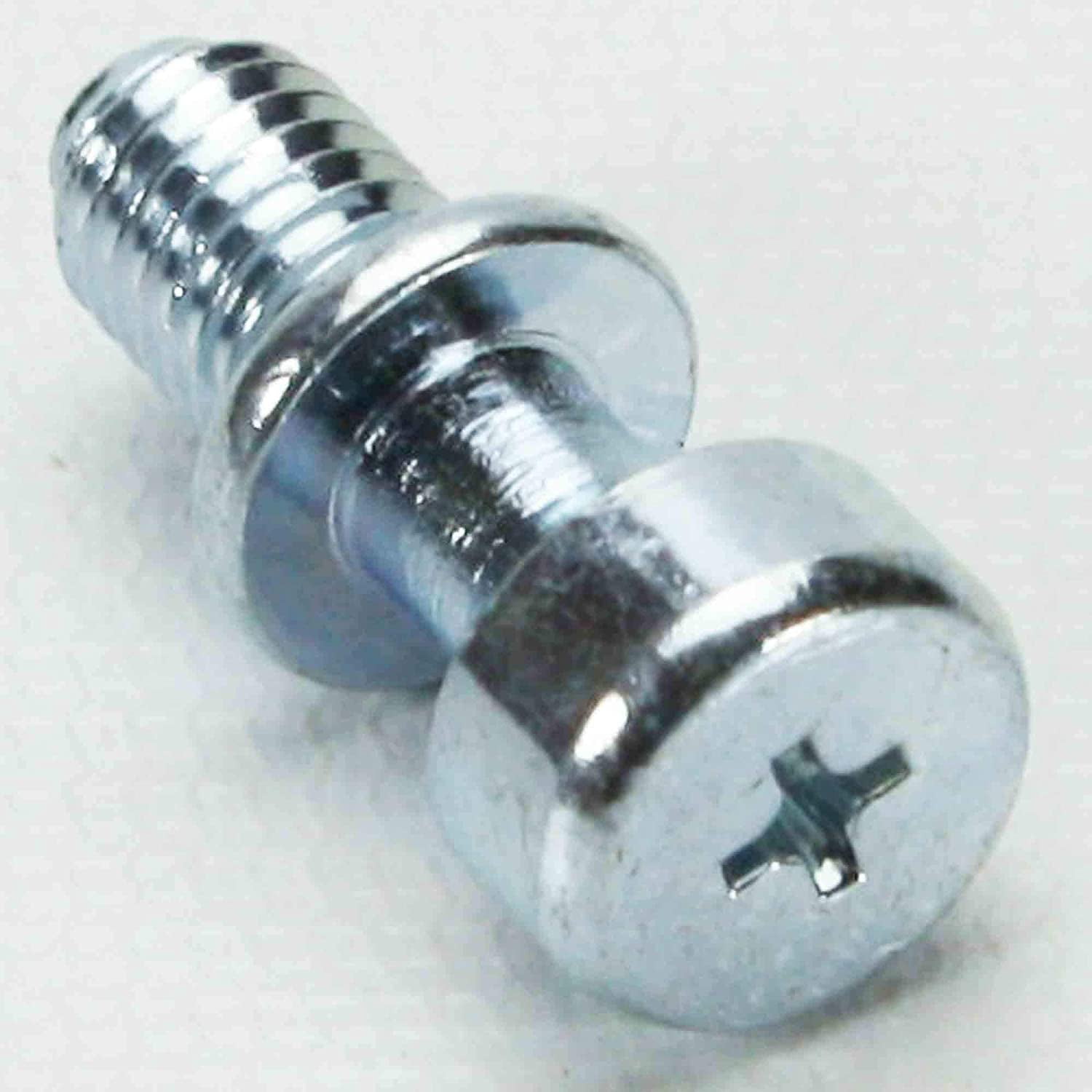
With your tools ready, carefully examine the mounting hardware where the handle attaches to the freezer door. Remove any visible debris or food particles that might have accumulated around the mounting area using a soft brush or cloth. Look for the mounting screws—they may be located at the top, bottom, or behind decorative caps depending on your Samsung model.
Check each screw for stripped threads, bent shanks, or other damage that might prevent secure fastening. If screws appear damaged, they may need replacement rather than simple tightening. Also examine the mounting holes in both the handle and the door panel for elongation (where the screw has worn the hole larger than intended) or cracks. In most instances, the hardware will simply require tightening, but identifying stripped or damaged components early prevents frustration during the repair process.
What to Look for in Handle Alignment
Proper handle alignment is critical for long-term stability. Check whether your handle sits perfectly parallel to the door surface or if it appears tilted at an angle. Misaligned handles place uneven stress on mounting hardware, accelerating the loosening process. Pay special attention to how the handle interfaces with the door panel—any gaps or uneven spacing indicates improper installation that needs correction during your repair.
Tighten Loose Mounting Screws Properly
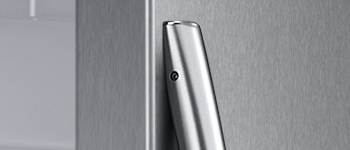
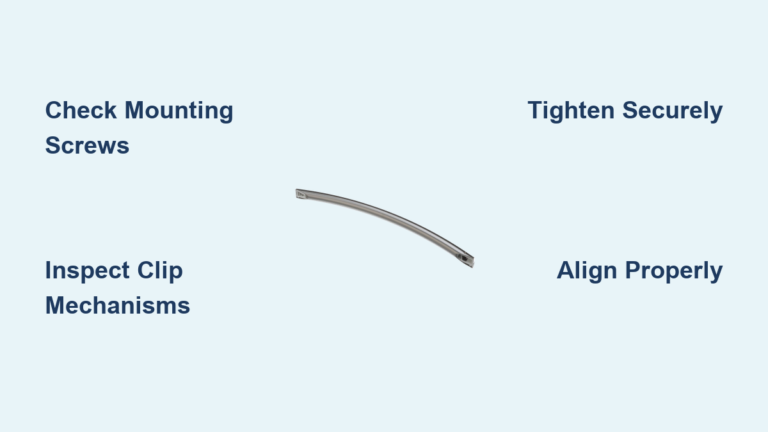
If your inspection reveals loose screws as the culprit, tightening them properly resolves the wobbling issue in most cases. Locate all mounting screws—Samsung refrigerators typically have two to four screws securing the freezer door handle, though quantity varies by model. Using your Phillips screwdriver, turn each screw clockwise until snug, but avoid overtightening which can strip the mounting holes or crack the handle base.
Work systematically, tightening screws in an alternating pattern if multiple screws secure a single handle. This approach distributes pressure evenly and prevents the handle from shifting out of alignment during the process. For handles with hidden screws behind caps, gently pry the caps free using a flat-head screwdriver wrapped in cloth to prevent scratching, access the screws beneath, then replace the caps afterward. After tightening all screws, test the handle by gently pushing and pulling—it should feel solid with no movement or clicking sounds.
Critical tip: When tightening screws, stop immediately if you feel the screwdriver slipping or notice the screw head becoming stripped. Forcing a damaged screw will only complicate your repair and may require more extensive fixes.
Reinstall a Completely Detached Handle
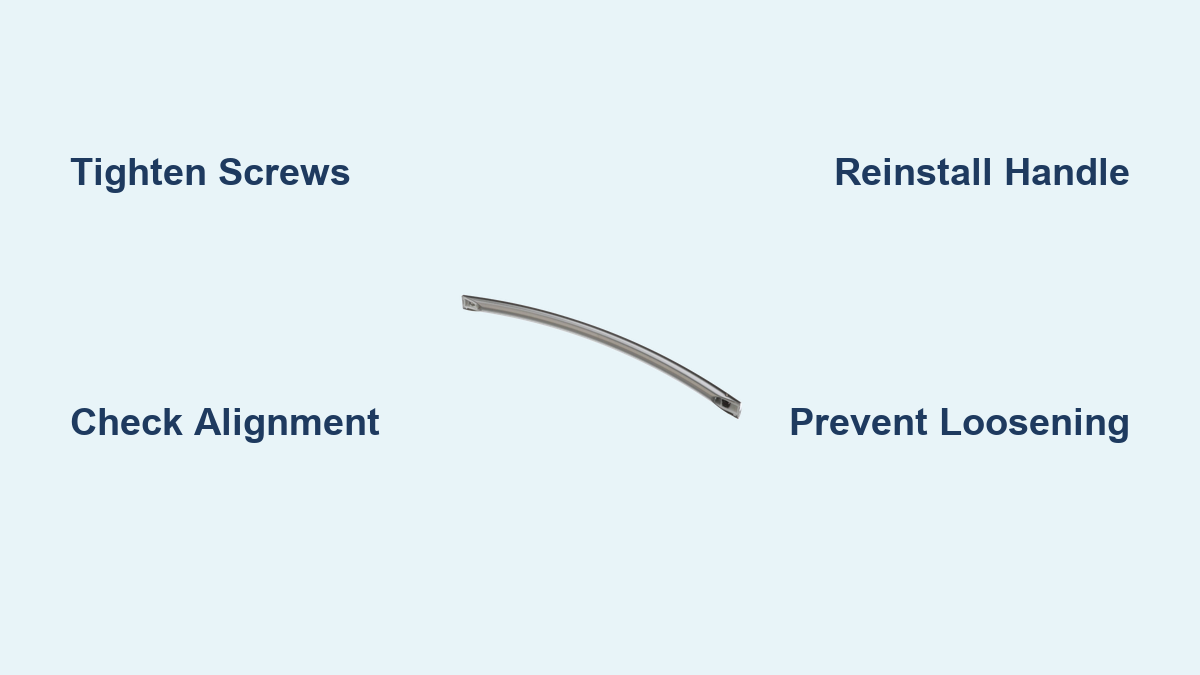
When the handle has completely fallen off, proper reinstallation ensures secure, long-lasting attachment. Begin by aligning the handle mounting points with the corresponding holes or pins on the door panel. Samsung handles typically feature keyhole-style slots that require positioning the handle at a slight angle before sliding into place, then lowering to engage the mounting mechanism. Take your time with this alignment step—forcing a misaligned handle damages both components.
Once the handle sits correctly on its mounting points, insert and hand-tighten all mounting screws before using your screwdriver for final tightening. This hand-tightening first approach allows you to confirm proper alignment and make minor adjustments before the screws lock everything in position. Ensure the handle sits flush against the door with no gaps or tilting. Tighten screws in an alternating pattern to manufacturer-specified firmness, stopping if you feel resistance that might indicate cross-threading. Test the handle by opening and closing the freezer door several times to confirm stable operation.
Common Reinstallation Mistakes to Avoid
Many DIY repairs fail because of simple installation errors. Don’t make these common mistakes when reinstalling your Samsung freezer handle:
- Forcing the handle into position instead of finding the correct alignment
- Tightening one screw completely before others, causing misalignment
- Over-tightening screws until they strip or the handle cracks
- Ignoring decorative caps that need proper reseating after repair
Prevent Recurring Handle Problems
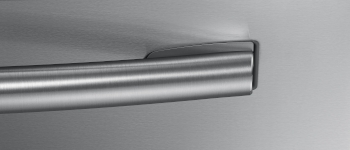
After fixing your handle, simple maintenance habits prevent the issue from recurring. Periodically—perhaps during your quarterly refrigerator cleaning—check handle mounting screws for any loosening, especially if you use the freezer door frequently or have children who might pull harder than necessary on the handle. A quick tighten every few months catches developing looseness before it progresses to wobbling or detachment.
Avoid pulling the handle at extreme angles or using it to support weight when accessing items in the freezer, as this stress gradually loosens mounting hardware. Teach all household members to grip the handle near its center and pull straight outward rather than leveraging at the ends. Keeping the handle and mounting area clean prevents debris accumulation that might interfere with proper seating over time. These small habits protect your repair investment and extend the reliable service life of your Samsung refrigerator’s freezer door handle.
Recognize When to Call a Professional
Most handle issues resolve with the tightening and reinstall procedures described above, but certain situations warrant professional assistance. If mounting holes have become elongated or cracked, the door panel itself may need repair or replacement—a job beyond typical DIY scope. Visible cracks in the handle base, stripped screw holes that won’t hold tightness, or handles that won’t align properly despite correct positioning indicate component damage requiring replacement parts.
Consider Samsung’s warranty coverage before beginning any self-repair, as some models include door handle coverage that would be voided by unauthorized work. If your refrigerator is still under warranty, contact Samsung customer support first. Additionally, if the handle detachment resulted from an impact or accident rather than gradual loosening, inspect the door seal and hinge alignment for related damage that might affect freezer performance. Professional technicians have access to model-specific tools, genuine replacement parts, and technical documentation ensuring proper repairs without risking additional damage.
Establish a Handle Maintenance Routine
Regular attention to your freezer door handle prevents most problems before they develop into annoying wobbling or complete detachment. After completing your repair, mark your calendar for a three-month follow-up inspection to verify screws remain tight and the handle maintains proper alignment. Establishing this simple habit catches loosening early when simple tightening resolves the issue completely.
Beyond hardware checks, clean handles regularly with mild soap and water to remove oils, fingerprints, and debris that accumulate from daily use. Avoid abrasive cleaners or scrubbing tools that might scratch the handle surface or damage decorative caps. When you notice any developing looseness, address it immediately rather than waiting until the problem worsens. This proactive approach saves time, prevents potential door handle detachment, and keeps your Samsung refrigerator functioning reliably for years to come.
Quick maintenance checklist:
– Check handle tightness every 3 months
– Clean handle surface monthly
– Teach proper handle use to all household members
– Address minor looseness immediately
– Keep mounting area free from debris buildup
By following these straightforward steps for how to fix freezer door handle on Samsung fridge issues, you’ve not only solved your immediate problem but also gained the knowledge to maintain your refrigerator’s functionality. Remember that most handle problems stem from installation-related issues rather than component failure, so proper reinstallation techniques typically provide lasting solutions without requiring replacement parts. Keep this guide handy for future reference, and enjoy a securely functioning freezer door handle that operates smoothly for years to come.