How to Fix Freezer Burn Meat | Save Your Meat Now
Discovering freezer burn on your frozen steak or chicken can feel like a culinary tragedy—especially when you’ve carefully stored high-quality cuts or stocked up during a great sale. Those unappetizing grayish-white patches don’t automatically mean your meat belongs in the trash. Freezer burn affects texture and taste, but with the right techniques, you can transform compromised meat into a perfectly acceptable meal. This guide provides proven methods for identifying, treating, and even preventing freezer burn so you can rescue your frozen meat inventory without compromising your dinner plans.
Freezer burn occurs when air reaches frozen food, causing moisture to evaporate and creating dry, discolored patches on the surface. While it doesn’t pose a food safety risk, it significantly impacts quality. The good news? Most freezer-burned meat can be salvaged through strategic trimming, proper preparation, and cooking techniques specifically designed to mask dry textures. Whether you’re dealing with forgotten chicken breasts from three months ago or ground beef that developed ice crystals, this guide gives you practical solutions before you reach for the trash can.
Identify Freezer Burn on Meat
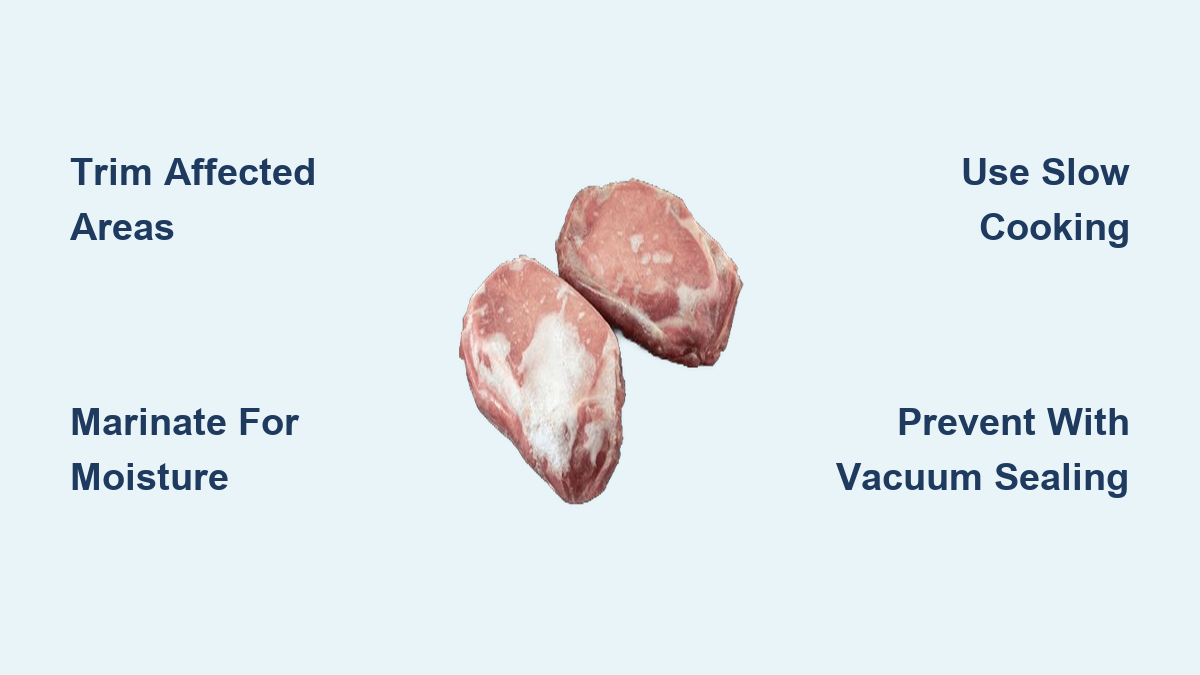
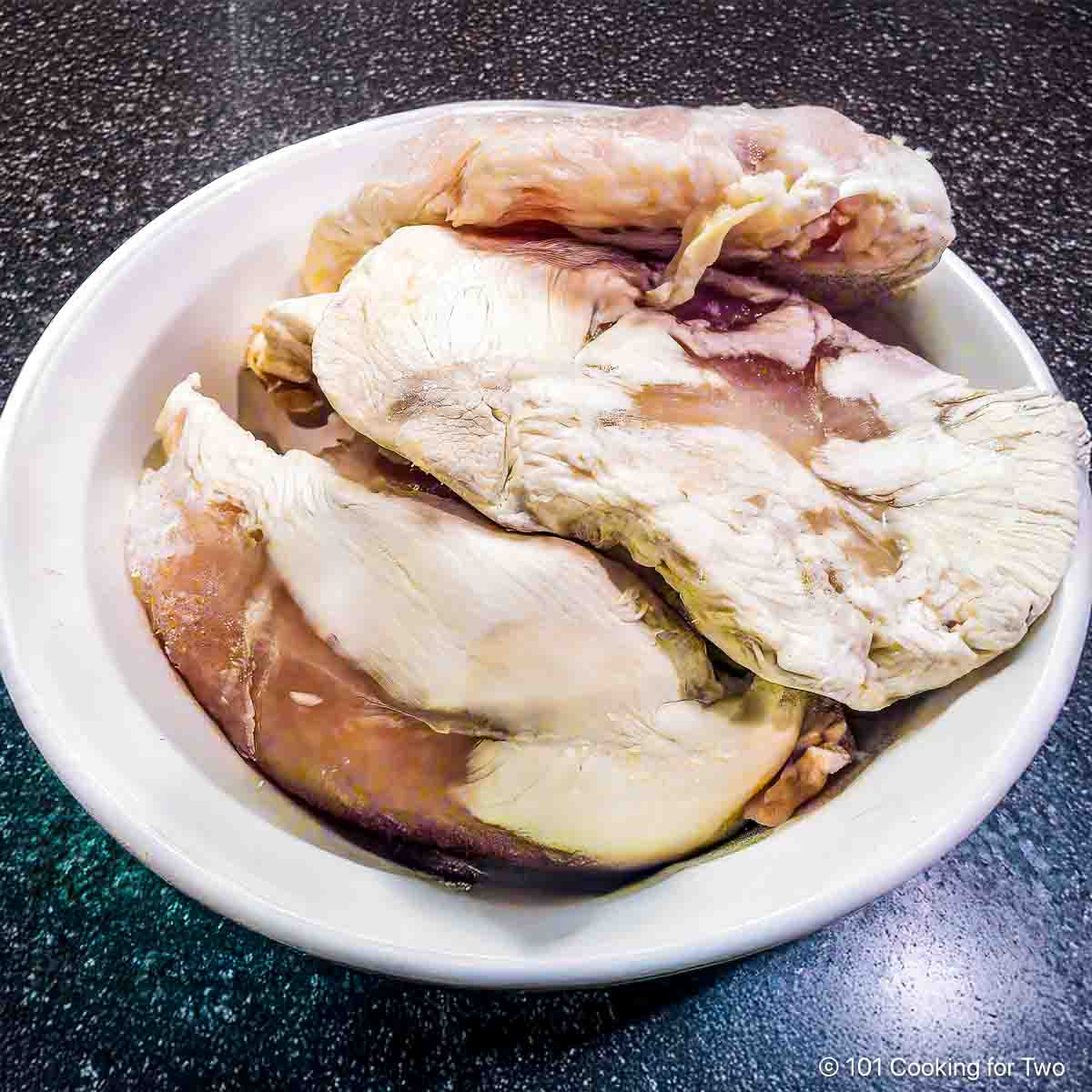
Before attempting any fixes, you need to correctly identify freezer burn versus actual spoilage. Freezer-burned meat displays distinctive dry, dehydrated patches that appear white, gray, or brownish on the surface. These areas often look frosted or leathery with a noticeably tougher texture than properly frozen meat. Look for large ice crystals forming on the surface or inside packaging—this indicates moisture has escaped and refrozen, a classic freezer burn sign.
Don’t mistake freezer burn for spoilage by relying solely on smell. While spoiled meat emits strong, unpleasant odors, freezer-burned meat typically smells neutral or slightly muted because the evaporation process removes some flavor compounds. When examining suspect meat, gently press affected areas—they’ll feel significantly drier and tougher than the surrounding properly frozen portions. True spoilage creates slimy textures and sour smells that differentiate it from mere freezer burn.
Is Freezer-Burned Meat Safe to Eat
The USDA confirms freezer-burned meat remains safe to eat since the extreme cold prevents bacterial growth. Freezer burn is purely a quality issue, not a safety concern, provided the meat was properly stored before freezing, frozen promptly after purchase, and maintained at a consistent 0°F or below. You won’t get sick from eating freezer-burned meat, but you might be disappointed by the results.
“Safe” doesn’t equal “ideal”—this is where understanding the quality threshold matters. Freezer burn damages meat’s cellular structure, drawing out moisture and leaving dry, tough fibers. When cooked, heavily affected meat becomes rubbery, flavorless, and unpleasant to eat. Light freezer burn affecting only small surface areas can often be trimmed away, leaving perfectly edible meat. But severe cases where freezer burn has penetrated deep into the cut may not be worth salvaging, even though technically safe. Your taste buds deserve better than a disappointing meal when fresh alternatives exist.
How Much Freezer Burn Is Too Much?
Consider discarding meat when freezer burn covers more than 30% of the surface area or has penetrated deeper than ¼ inch into the cut. For ground meat, where surface area exposure is greater, evaluate the center after removing the outer layer—if the interior shows dryness or discoloration, it’s likely too far gone. Remember that meat quality naturally degrades over time even without freezer burn, so extremely long storage periods combined with visible damage usually indicate it’s time to replace rather than rescue.
Trim Damaged Meat Properly

The most effective freezer burn fix requires physically removing affected portions before cooking. Start by examining your meat under good lighting with a sharp knife—dull blades tear meat rather than making clean cuts, further damaging texture. Trim away all discolored, dried, or leathery patches completely, removing not just the surface layer but also a thin margin of meat beneath visible damage since freezer burn often penetrates deeper than it appears.
For steaks and chops, you might need to trim edges or remove an entire side if damage is extensive. Ground meat requires peeling away the outer layer before inspecting the interior—frequently the center remains unaffected while the outer inch needs removal. After initial trimming, inspect carefully: if discoloration or dryness remains, continue cutting until you reach normal-looking meat—red or pink, moist but not wet, and consistent throughout. What remains may be smaller in quantity but will cook and taste much closer to fresh quality.
Wash and Prepare for Cooking
After trimming, proper washing removes residual ice crystals and surface residue. Rinse meat under cool running water while gently rubbing surfaces to loosen dry bits. For poultry, a light vinegar solution (one tablespoon white vinegar per cup of water) neutralizes off-flavors and reduces surface bacteria. Though not essential for red meat, this step improves quality of heavily affected pieces.
Pat meat completely dry with paper towels before cooking—excess moisture prevents proper browning and causes steaming instead of searing. The drying process also helps meat regain some lost moisture, making it more receptive to seasonings. For best results, let trimmed meat air-dry on a clean plate in the refrigerator for 15-30 minutes before cooking, allowing the surface to dry further for better crust development.
Consider moisture restoration through marinating or brining. A simple olive oil and acid marinade (lemon juice, vinegar, or wine) penetrates meat fibers and restores juiciness. Even a brief 30-minute marinade makes a noticeable difference for trimmed meat. For tougher cuts requiring long cooking, an overnight brine in salt water solution helps meat absorb moisture and become more tender during cooking.
Best Cooking Methods for Freezer-Burned Meat
Certain techniques excel at restoring freezer-burned meat to palatability by prioritizing moisture retention. Slow cooking methods using liquid work best—braising, stewing, and slow roasting rehydrate meat fibers and break down tough tissue. For beef, lamb, or pork with light to moderate freezer burn, cut into cubes for stews or pot roast. Brown first to develop fond (caramelized bits that add depth), then simmer gently with vegetables, broth, and aromatics for 2-3 hours.
Chicken and turkey respond well to moisture-retaining methods. Poach shredded chicken for soups where long simmering in flavorful liquid rehydrates meat completely. Alternatively, bake chicken with frequent basting or slice thin and cook in a covered skillet with liquid. Ground meat affected by freezer burn is easiest to rescue—brown thoroughly with onions, garlic, and tomatoes in sauce or soup, where other ingredients’ moisture compensates for meat dryness.
Cooking Time Adjustments for Freezer-Burned Meat
Adjust cooking times when working with freezer-burned meat. Because it lacks moisture, it cooks faster and dries out more quickly. Reduce cooking time by 15-20% compared to fresh meat and check for doneness earlier than usual. Use a meat thermometer to avoid overcooking—freezer-burned meat reaches target temperatures faster due to reduced moisture content. When in doubt, err on the side of undercooking since you can always continue cooking but can’t reverse dryness once it occurs.
When to Discard Freezer Burned Meat
Sometimes the wisest choice is discarding rather than attempting restoration. If trimming removes more than a quarter of the original meat, the effort likely outweighs the reward. Meat showing signs of repeated thawing and refreezing suffers cumulative cellular damage that no technique can fully reverse. Also, if meat was improperly stored before freezing (left at room temperature for hours), freezer burn might mask more serious spoilage issues.
Extremely long storage times compound freezer burn problems. Beef maintains safety indefinitely when frozen, but quality declines noticeably after 6-12 months. Chicken and turkey are best used within 6 months for optimal quality. If meat has been frozen over a year with visible freezer burn, replacement beats restoration. Your cooking time and enjoyment matter—don’t waste energy trying to salvage what won’t deliver a satisfying meal.
Prevent Freezer Burn on Meat

The ultimate fix for freezer burn is prevention through proper storage techniques. Eliminate air exposure—the primary cause of freezer burn—by using airtight packaging and removing as much air as possible. Vacuum sealers provide best protection, but heavy-duty freezer bags work well when you press out excess air before sealing. For extra protection without a vacuum sealer, wrap meat first in plastic wrap, then aluminum foil, then place in a freezer bag.
Master proper wrapping technique—meat should be wrapped tightly with no gaps where air can enter. For irregular shapes, take time folding and sealing edges completely. Label everything with freezing dates to use older meat first and prevent freezer neglect. Maintain consistent freezer temperature at 0°F or below; avoid frequent opening and ensure your freezer maintains steady temperatures. Temperature fluctuations accelerate freezer burn by causing repeated ice crystal formation and evaporation.
Store Meat Correctly in Freezer
Strategic freezer organization prevents many freezer burn cases. Store meat in the back of the freezer where temperatures remain most consistent, not on door shelves that experience fluctuations with every opening. Implement a rotation system—place newer purchases behind older ones to ensure first-in, first-out usage. This grocery-style inventory management prevents items from being forgotten in the freezer depths.
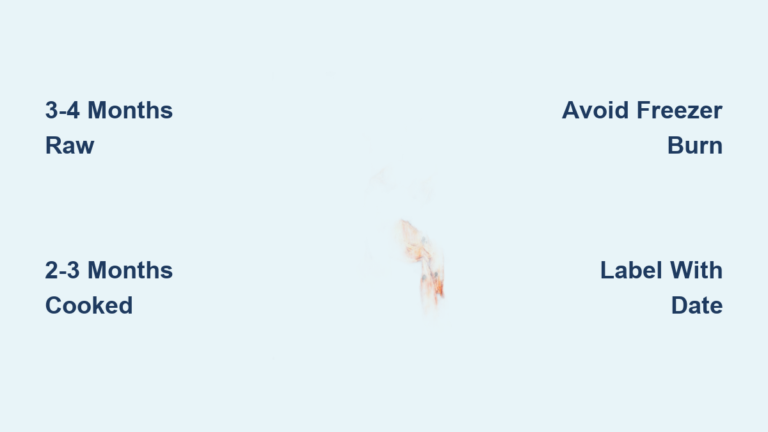
Understand proper storage timelines: beef cuts maintain peak quality for 6-12 months; ground meat (with greater surface area) for 3-4 months; chicken and turkey for 6-9 months. Portion meat before freezing rather than storing large packages you’ll need to partially thaw and refreeze. Individual portions freeze faster (reducing air exposure time), thaw more quickly, and can be used one at a time without repeatedly exposing remaining meat to air.
Freezer burn doesn’t have to mean wasted meat or wasted money. By identifying it properly, trimming effectively, and cooking with moisture-retaining methods, you can rescue most freezer-burned meat into acceptable meals. The key is honest assessment—trim aggressively when needed, use appropriate cooking techniques, and recognize when it’s time to discard. Prevention remains your best strategy: invest in quality wrapping materials, eliminate air exposure, maintain consistent freezer temperatures, and rotate inventory regularly. With these practices, you’ll minimize freezer burn encounters and keep frozen meat in optimal condition for months of storage.