How to Hide Freezer Burn Taste in Food
You’ve opened your freezer, pulled out what should be a perfectly good meal, and discovered that dreaded frosty, discolored patch on your frozen chicken or vegetables. That unmistakable sign of freezer burn sends a sinking feeling through you—wasted food, wasted money, and wasted time. Before you toss that package in the trash, stop. Freezer burn doesn’t automatically mean ruined food. While it creates that unpleasant cardboard-like taste most of us can’t stand, you can effectively cover up freezer burn taste with the right techniques. This guide reveals specific, actionable methods to rescue freezer-burnt food using everyday ingredients and cooking approaches you already know. You’ll learn exactly how to transform those seemingly doomed freezer items into delicious meals, saving money and reducing food waste in the process.
Why Freezer Burn Creates That Cardboard-Like Flavor
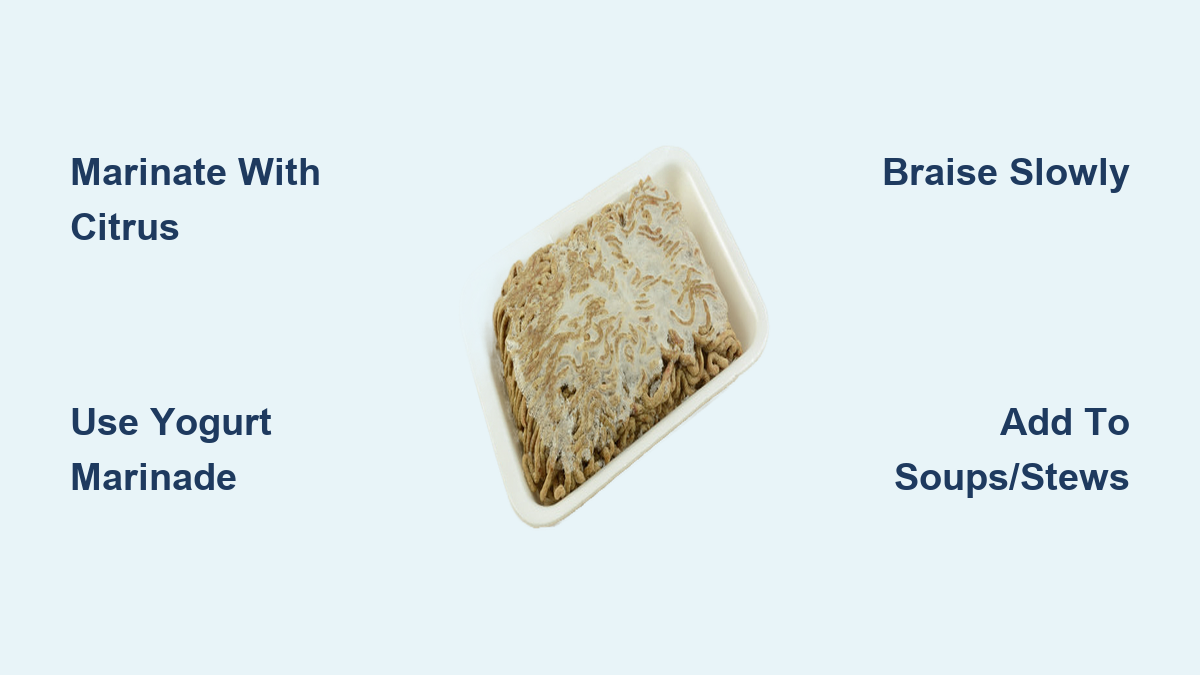
Freezer burn happens when air reaches frozen food, causing moisture to evaporate from the surface through sublimation—the process where ice turns directly into vapor without becoming liquid first. This moisture loss leaves behind dry, oxidized patches that develop that characteristic stale, cardboard-like taste. The oxidation process breaks down fats and proteins in the food, creating compounds that taste unpleasant when you finally cook and eat it months later.
How Deep Freezer Burn Penetrates Food
The severity of freezer burn determines how deeply those off-flavors penetrate your food. Surface-level freezer burn only affects the outermost layer, making rescue relatively simple with aggressive seasoning. Severe cases where the dry patches have penetrated deep into the food require more intensive flavor masking techniques. When you see extensive whitish or grayish-brown patches that feel leathery or tough, the taste problem has likely spread beyond just the surface.
Why Simply Cutting Off Affected Areas Often Fails
Many home cooks make the mistake of thinking they can simply trim off freezer-burnt sections and proceed as normal. While this helps with texture issues, it rarely solves the taste problem completely. The oxidation process creates flavor compounds that migrate beyond the visibly affected areas. Even if you remove all the discolored patches, the surrounding tissue often retains enough of that stale flavor to ruin your dish if not properly addressed with flavor-masking techniques.
Confirm Freezer Burn Isn’t Actually Spoilage
Spotting the Difference Between Freezer Burn and Dangerous Spoilage
Before attempting any rescue techniques, you must confirm you’re dealing with freezer burn rather than actual spoilage. Freezer burn is purely a quality issue—food with freezer burn is safe to eat but tastes bad. True spoilage creates food safety hazards. Freezer burn appears as dry, whitish or grayish patches with a leathery texture. Spoiled food often has slimy surfaces, unusual odors (sour, rotten, or ammonia-like), or unexpected color changes throughout the product, not just on the surface.
When to Absolutely Discard Instead of Rescue
Throw away freezer-burnt food immediately if it shows any signs of actual spoilage: slimy texture, sour or rotten smell, or unusual coloration beyond the typical whitish freezer burn patches. Food that has been stored at improper temperatures (above 0°F/-18°C) for extended periods may have experienced partial thawing and refreezing, creating conditions where bacteria can grow. When in doubt about safety, always follow the USDA’s advice: “When food safety is in question, throw it out.”
Transform Freezer-Burnt Proteins With These Marinades

Citrus-Based Marinades That Penetrate Deeply
Acidic marinades work best for masking freezer burn because they both tenderize toughened tissue and deliver intense flavors deep into the food. Create a citrus marinade with equal parts lemon or lime juice and olive oil, plus four minced garlic cloves, two tablespoons of soy sauce, one tablespoon of honey, and generous amounts of black pepper and dried herbs. The citric acid breaks down proteins while the soy sauce adds umami depth that overwhelms stale flavors. Marinate proteins for at least two hours—overnight for best results—ensuring the flavors penetrate beyond surface level.
Yogurt Marinades That Revive Texture and Taste
Yogurt-based marinades excel at rescuing freezer-burnt chicken and lamb. The natural enzymes in yogurt tenderize toughened tissue while the tangy flavor profile creates a strong taste foundation. Mix plain yogurt with cumin, coriander, turmeric, and chili powder in generous amounts—these spices have earthy notes that specifically counteract the cardboard-like taste of freezer burn. The yogurt’s thickness allows it to cling to food, delivering flavor and moisture where it’s needed most. Allow at least four hours of marinating time for optimal results.
Spice Blends That Overpower Freezer Burn Flavors
Earthy Spice Combinations That Mask Oxidation Notes
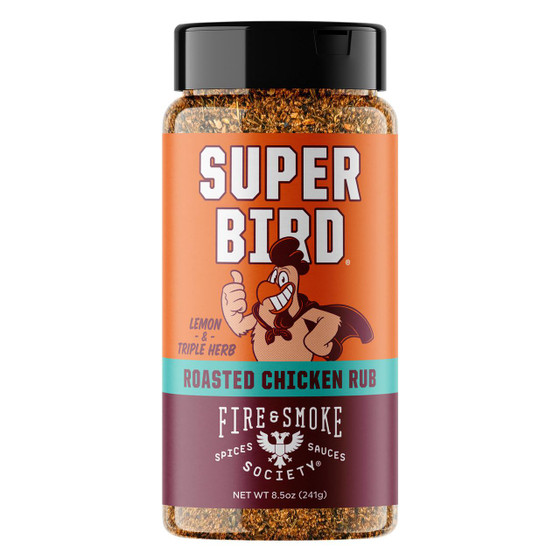
Certain spices naturally counteract the specific compounds created by freezer burn oxidation. A blend of cumin, paprika, garlic powder, and onion powder in a 2:1:1:1 ratio creates an earthy foundation that masks stale flavors particularly well. Toast the spices briefly in a dry pan before use—this releases their essential oils and intensifies their flavor by up to 40%. The key is using these spices more aggressively than you normally would; freezer-burnt food requires bolder seasoning to completely overwhelm the off-flavors.
Asian-Inspired Flavor Bomb Mixtures
For freezer-burnt proteins, Asian-inspired spice combinations create such a pronounced flavor experience that the underlying taste becomes undetectable. Combine ginger, five-spice powder, sesame oil, and soy sauce in equal parts. The saltiness of the soy sauce helps draw out natural flavors while adding its own depth, and the complex spice profile creates multiple taste sensations that distract from any remaining freezer burn notes. Add this mixture both before and during cooking to build maximum flavor layers.
Cooking Methods That Hide Freezer Burn Most Effectively
Slow Cooking and Braising Techniques That Rehydrate
Slow cooking and braising are your best weapons against severe freezer burn because they reintroduce moisture while distributing intense flavors throughout the food. For meats with noticeable freezer burn, cook them low and slow in flavorful liquid for at least 2-3 hours. The extended cooking time allows moisture to penetrate dehydrated tissue while the surrounding liquid infuses flavor deep into the food. A simple pot roast method works wonders: sear the meat first, then cook it submerged in broth, wine, or tomato-based sauce at 300°F until fork-tender.
Soup and Stew Applications That Make Freezer Burn Disappear
Soups and stews naturally mask freezer burn because the food cooks entirely submerged in flavorful liquid. Cut freezer-burnt meat into small pieces (½ inch cubes), brown them well to develop flavor, then add to your soup base. The extended simmering time (at least 45 minutes) allows the meat to absorb surrounding flavors while any texture issues become irrelevant in the finished dish. For vegetables with freezer burn, roast them first to develop caramelized flavors, then puree into your soup—this eliminates any texture concerns while adding depth.
When Freezer Burn Is Too Severe to Rescue
Assessing Whether Rescue Efforts Are Worth the Time
Not all freezer-burnt food can be saved. If freezer burn affects the entire package rather than just surface patches—if the food looks and feels dried out throughout, shriveled, discolored, and tough from edge to edge—it has likely lost too much quality to make rescue worthwhile. The taste will be pervasive rather than localized, and even aggressive seasoning won’t fully mask it. In these cases, the time and additional ingredients required for rescue exceed the value of salvaging the food.
Recognizing When Freezer Burn Masks Actual Spoilage
Sometimes freezer burn obscures signs of actual spoilage that occurred before freezing. If food smells or tastes genuinely spoiled—sour, putrid, or slime-like—rather than merely stale, discard it immediately. The freezer burn may have developed after spoilage began, making the food unsafe despite appearing only affected by freezer burn. Always trust your senses over visual appearance alone when evaluating questionable food.
Prevent Freezer Burn Before It Happens
Air-Tight Packaging Techniques That Work
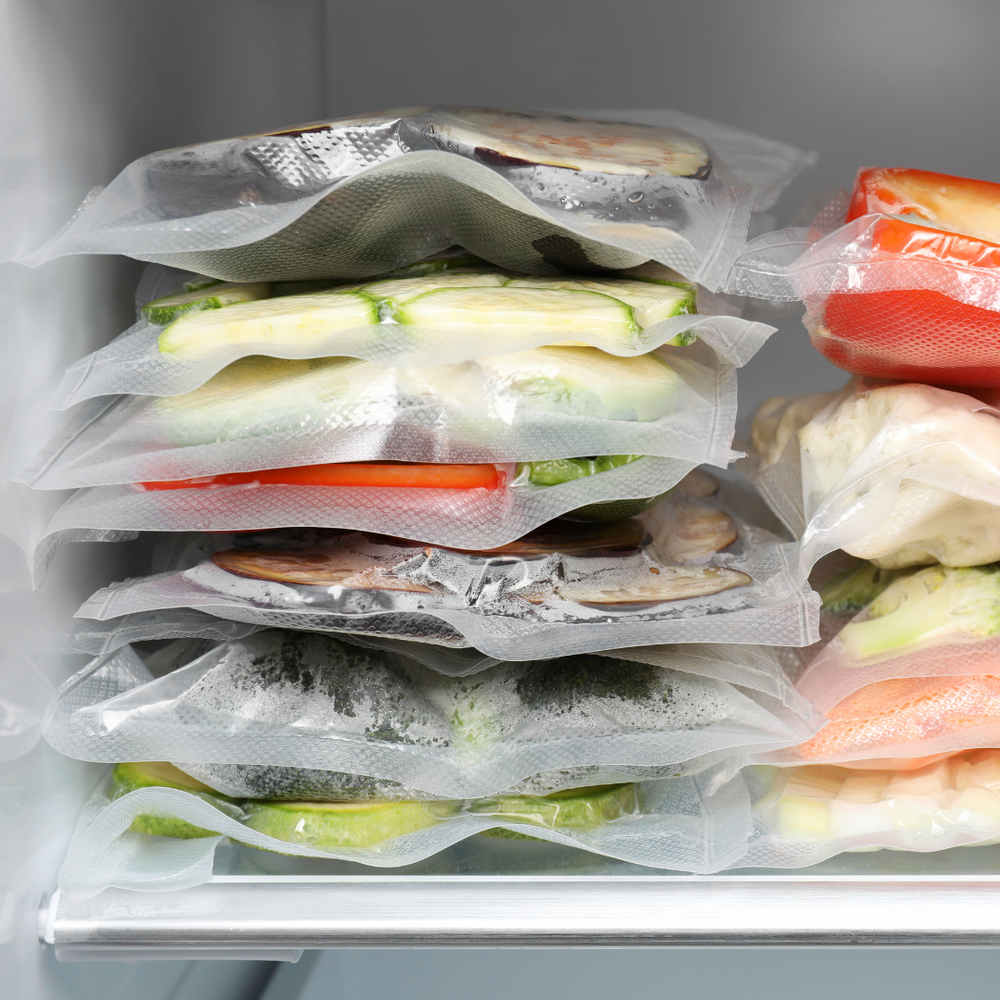
The best way to handle freezer burn is to prevent it entirely. Invest in quality freezer bags with reliable seals or vacuum-sealed packaging. Squeeze out as much air as possible before sealing—use the straw method for better vacuum sealing without special equipment. For long-term storage, double-wrap items: first in plastic wrap, then in foil, then place in a freezer bag. This layered approach creates multiple barriers against air penetration that significantly extends food quality.
Optimal Freezer Organization That Reduces Risk
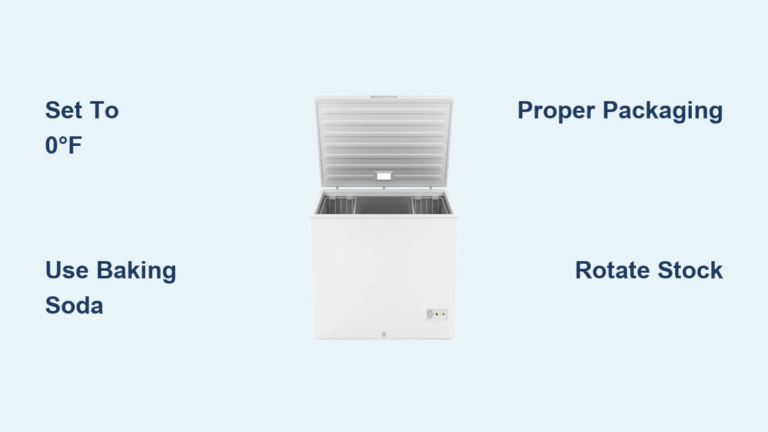
Maintain consistent freezer temperature at 0°F or below and organize your freezer using a first-in-first-out system. Label everything with the date frozen and use older items before they develop severe freezer burn. Keep your freezer at least half full for temperature stability but leave room for air circulation. A freezer thermometer helps monitor actual temperature rather than relying on the dial setting, preventing the temperature fluctuations that contribute to freezer burn.
Final Food Rescue Strategy
Freezer burn doesn’t have to mean wasted food. With aggressive seasoning, moisture-adding cooking methods, and strategic recipe choices, you can completely disguise that unpleasant taste and create meals worth eating. The key is matching your rescue technique to the severity of the problem—light surface burn responds well to simple seasoning adjustments, while severe cases require extended marinating and slow cooking in flavorful liquids. Prevention remains ideal, but when freezer burn does occur, use these proven methods to rescue your food rather than throwing it away. Your wallet and the environment will thank you for reducing food waste, and you’ll gain confidence in handling any cooking challenge that comes your way. The next time you discover freezer-burnt food, don’t automatically toss it—assess the damage, choose an appropriate rescue method, and transform those seemingly ruined ingredients into a delicious meal.