How to Clean Freezer Bags: Easy Steps
Nothing ruins meal prep efficiency like reaching for a reusable freezer bag only to find it damp, smelly, or stained from previous use. Learning how to clean freezer bags properly transforms these kitchen workhorses from potential health hazards into reliable food storage solutions. Most people simply rinse bags and call it good, but without thorough cleaning and complete drying, your bags can harbor bacteria, develop mold, and transfer unpleasant odors to your fresh food. This comprehensive guide reveals the exact methods tested by home cooks and kitchen experts to keep your freezer bags hygienic, odor-free, and ready for reuse—whether you use plastic Ziploc freezer bags or silicone reusable options.
Discover how to eliminate stubborn tomato sauce stains, banish garlic odors that linger after washing, and solve the frustrating problem of moisture trapped in flat silicone bags. You’ll learn why simply air-drying bags on a rack often fails in humid climates and the clever freezer storage trick that prevents mold growth entirely. These practical techniques extend bag lifespan, protect your family’s health, and significantly reduce your household’s plastic waste—all without requiring special equipment or excessive time.
Dishwasher Cleaning That Actually Works for Plastic Bags

Skip the guesswork with this foolproof dishwasher method that cleans freezer bags thoroughly while protecting their integrity. Many people load bags haphazardly into the dishwasher only to find them flying around during the cycle or emerging with water trapped inside. The key is proper preparation and placement that ensures every surface gets cleaned without compromising the bag’s structure.
Turn Bags Inside Out for Complete Interior Cleaning
Before loading plastic freezer bags into your dishwasher, turn each one completely inside out. This critical step exposes the dirty interior surfaces directly to the cleaning jets rather than having them trapped against the outer wall. Food residue accumulates primarily on the inside, so turning bags inside out ensures water and detergent reach the problem areas effectively. Place bags on the top rack where water pressure is gentler and temperatures are slightly lower, protecting the plastic from warping. Anchor them securely by arranging other dishes around them to prevent movement during the cycle.
Never make this mistake: Using an overly hot cycle that can degrade plastic over time. Run a normal wash cycle with standard temperature settings—there’s no need for sanitizing or extra-hot options that accelerate wear. After the cycle completes, remove bags carefully since water will have accumulated inside (remember, they’re inverted). Shake out excess water and proceed immediately to drying to prevent bacterial growth.
Why This Method Beats Hand Washing for Most Users
The dishwasher approach offers significant advantages when you’re already running a load. You eliminate additional water usage while achieving more consistent cleaning than most hand-washing attempts. The mechanical action of water jets reaches into corners and along seals where hand washing often misses debris. Plus, the heat of the dishwasher cycle helps sanitize the plastic more effectively than typical hand washing temperatures. For households that regularly wash dishes, this method integrates seamlessly into existing routines without adding extra steps.
Eliminate Mold with Guaranteed Drying Techniques
Moisture trapped in freezer bags after washing creates perfect conditions for mold and bacteria growth, especially in humid environments. Standard air drying often fails to reach corners and seams in flat silicone bags, leaving damp spots that develop musty odors within days. These proven drying methods ensure your bags are completely dry before storage, eliminating the #1 reason people give up on reusing freezer bags.
Solve Stubborn Moisture with the Freezer Storage Method
When air drying fails in humid climates, store clean bags in the freezer even when they’re not holding food. Here’s the exact process that works: After washing, shake bags vigorously to remove most water, then place a spoon or similar object inside each bag before freezing. The spoon prevents the bag from sealing shut, and any residual moisture turns to ice where mold cannot develop. When you need a bag, simply remove it from the freezer, take out the spoon, shake out any ice crystals, and the bag is ready for immediate use. This method completely bypasses the drying problem while keeping bags pristine between uses.
Food Dehydrator Drying for Fast Results
For those who need bags ready quickly, a food dehydrator provides the fastest drying solution. Set your dehydrator between 60-70°C and arrange bags with their openings propped open using wooden spoons or similar items. Most bags dry completely in under two hours as the warm, circulating air removes moisture from all surfaces. This method works particularly well for silicone bags that resist standard drying techniques. The controlled temperature ensures no damage occurs while achieving thorough drying that air racks often miss.
Remove Tomato Sauce Stains Without Bleach
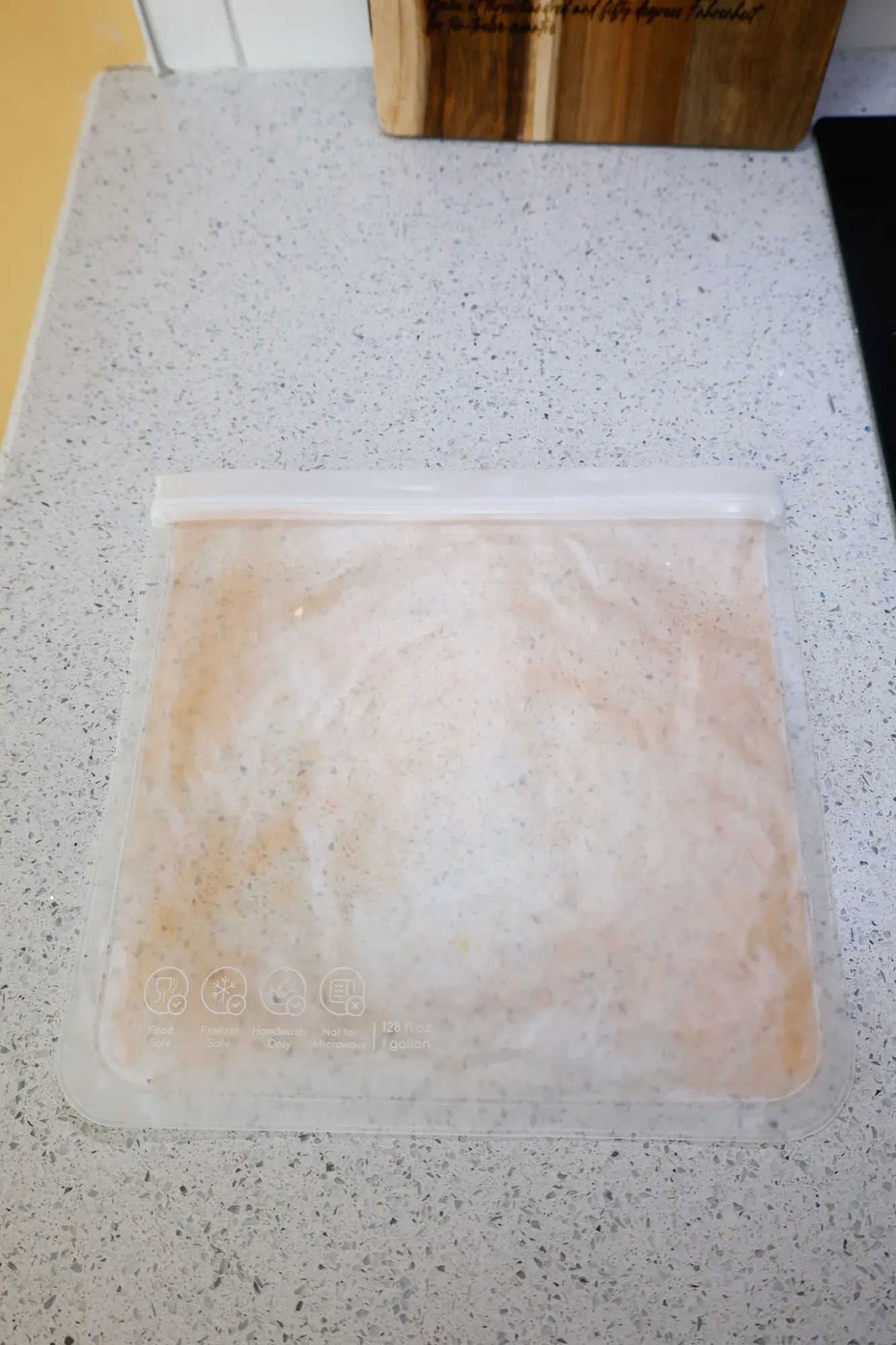
Red sauce stains and turmeric discoloration make freezer bags look unsightly and can transfer to lighter-colored foods. While complete stain removal isn’t always possible with plastic bags, these tested methods significantly reduce discoloration without damaging your bags or requiring harsh chemicals.
Baking Soda Paste for Overnight Stain Treatment
Create a thick paste using baking soda and just enough water to make it spreadable. Apply this paste thoroughly over stained interior surfaces, working it into problem areas with a soft sponge. Let the paste sit for at least 30 minutes, but for best results, leave it overnight. The mild abrasive action combined with alkaline properties helps break down stubborn stain compounds. After treatment, wash the bag thoroughly with hot water and dish soap to remove all baking soda residue. This method works particularly well on set-in tomato stains that regular washing can’t touch.
Important tip: Address stains immediately after use rather than waiting. Fresh stains respond much better to treatment than those allowed to set for weeks. For immediate cleaning after using tomato-based products, fill the bag halfway with hot water and a drop of dish soap, then vigorously shake before emptying and proceeding with your regular washing method.
Banish Garlic and Fish Odors Permanently

Nothing ruins freezer bag reuse faster than persistent odors from previously stored foods. Standard washing often fails to eliminate smells from garlic, fish, or cumin that transfer to your next meal. The vinegar soak method outperforms all other techniques for neutralizing even the most stubborn food odors.
White Vinegar Soak Protocol That Actually Works
Create a solution of equal parts white distilled vinegar and warm water in a container large enough to fully submerge your bags. Completely immerse each bag and let it soak for several hours or overnight—this extended contact time allows the acetic acid in vinegar to neutralize odor compounds at a molecular level. After soaking, wash the bag thoroughly with dish soap and hot water to remove any vinegar residue. For extremely stubborn odors from fish sauce or canned mackerel, repeat the process a second time. This method has proven effective where baking soda treatments and multiple regular washes fail.
Organize Clean Bags for Instant Access
A disorganized drawer full of loose freezer bags leads to frustration and wasted time. Implement this simple cardboard tube system that keeps bags organized, protected, and ready for immediate use while reusing materials that would otherwise become waste.
Cardboard Tube Storage System Setup
Label cardboard tubes from paper towel and toilet paper rolls according to bag size (gallon, quart, sandwich). Roll each dried bag tightly from the bottom toward the open end—this action pushes air out, making bags more compact. Insert individually rolled bags into their corresponding tubes, then store the tubes upright in a wide-mouth container like a glass vase or large coffee can. This system keeps bags neatly organized by size, allows you to pull out single bags without disturbing others, and takes up minimal drawer space. The rolled format also prevents bags from unfolding and becoming tangled during storage.
Extend Bag Lifespan with These Critical Mistakes to Avoid
Most freezer bags fail prematurely not from wear and tear but from improper care. These simple maintenance practices significantly extend the usable life of both plastic and silicone bags while keeping them hygienic for food storage.
Never turn silicone reusable bags inside out—this stresses seams and compromises the sealing mechanism over time. Always check manufacturer recommendations before using the dishwasher, as not all bags withstand this cleaning method. Never store damp bags, even temporarily, as this creates immediate conditions for mold growth. Skip abrasive tools that scratch bag surfaces, opting instead for soft sponges and bottle brushes that clean thoroughly without damage. For plastic bags, use only freezer-grade options designed for multiple uses—they’re thicker and hold up to repeated washing far better than standard storage bags.
Properly maintained freezer bags can be reused dozens of times, dramatically reducing your household’s plastic consumption. Plastic takes over 400 years to biodegrade, and each bag you reuse eliminates one more piece of plastic entering landfills. By implementing these cleaning and maintenance techniques, you’ll protect your food, your health, and the environment—one clean freezer bag at a time.