How Long Does Bread Last in the Freezer?
Your loaf turning rock-hard or developing icy crystals in the freezer isn’t just annoying—it means wasted food and money. When you freeze bread to extend its life, you expect it to stay fresh for months. But if you’ve ever pulled out a frozen baguette only to find it coated in frost or smelling stale, you’ve hit the limits of freezer storage. How long does bread keep in the freezer before quality plummets? The answer depends on your bread type, packaging, and freezer conditions—but most varieties last 3–6 months at peak quality. Beyond that, freezer burn and flavor loss accelerate rapidly. In this guide, you’ll learn exactly how to freeze any bread type correctly, recognize when it’s still safe to eat, and avoid the top mistakes that ruin texture.
Why Bread Degrades in the Freezer (Even When Frozen)
Freezing stops bacteria growth, but it doesn’t pause physical changes. Ice crystals form inside bread’s porous structure as water molecules migrate during temperature fluctuations. Each time your freezer door opens, warm air enters, causing partial thawing and refreezing. This cycle enlarges ice crystals, which rupture the bread’s crumb structure—leading to dry, crumbly slices when thawed.
Critical Factors That Shorten Bread’s Freezer Life
- Temperature swings: Fluctuations above -18°C (0°F) accelerate moisture loss
- Oxygen exposure: Causes oxidation (rancid fats) and freezer burn
- Packaging gaps: Even tiny air pockets invite ice crystal formation
- Bread composition: High-moisture breads (like sandwich loaves) degrade faster than dense sourdough
How to Test Your Freezer’s Stability
Place a coin on a small cup of water frozen solid. If the coin sinks after 24 hours, temperature fluctuations are melting/refreezing the ice—meaning your bread is at risk.
Freezer Lifespan by Bread Type (With Quality Timelines)
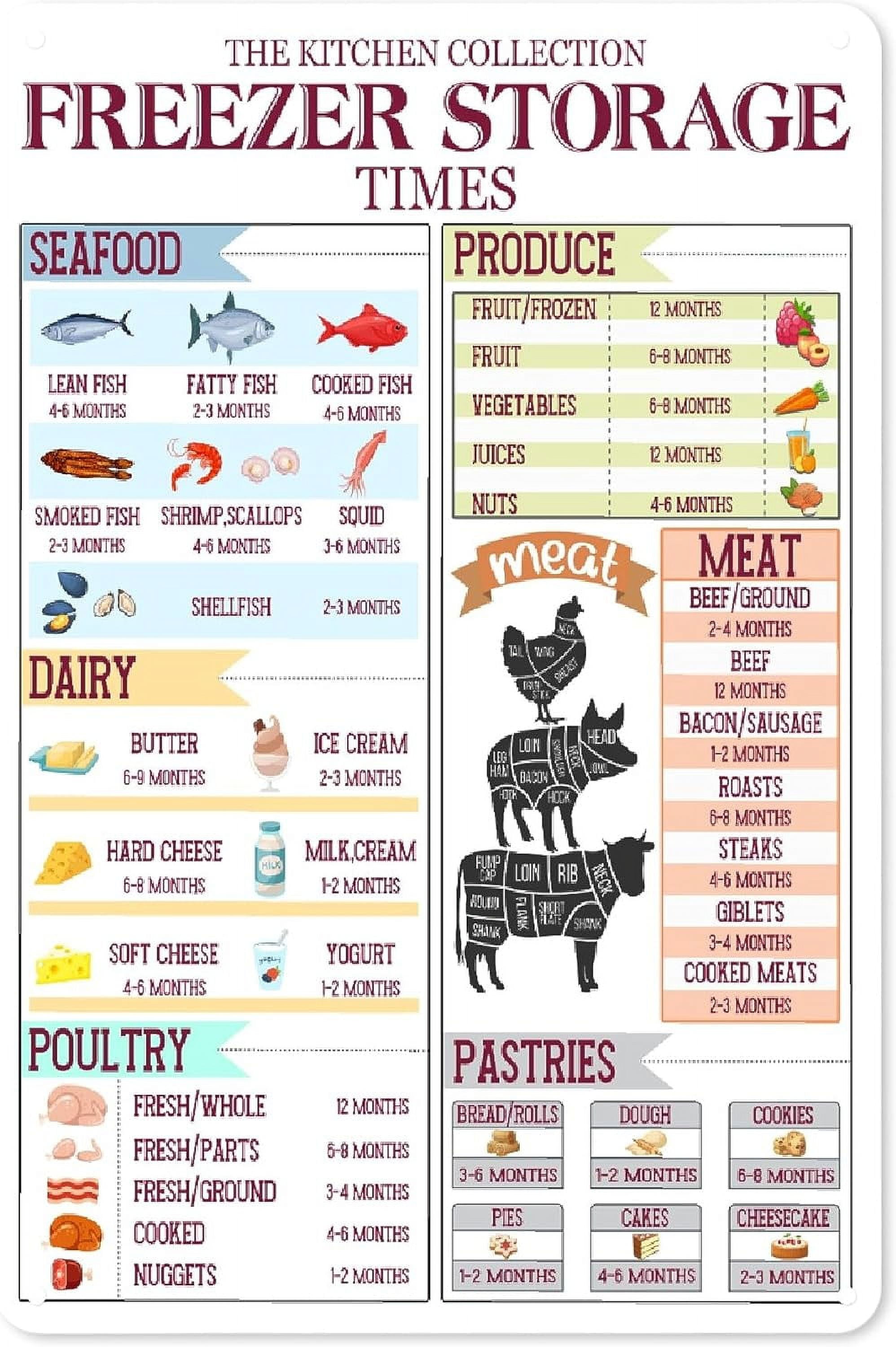
Not all breads survive freezing equally. Moisture content, fat levels, and additives determine how long they stay usable.
Sandwich Loaves & Pre-Sliced Bread
- Maximum quality window: 3 months
- Why it degrades fast: High moisture + thin slices = rapid ice crystal damage
- Critical sign of spoilage: Slices feel stiff and chalky (not just frozen hard)
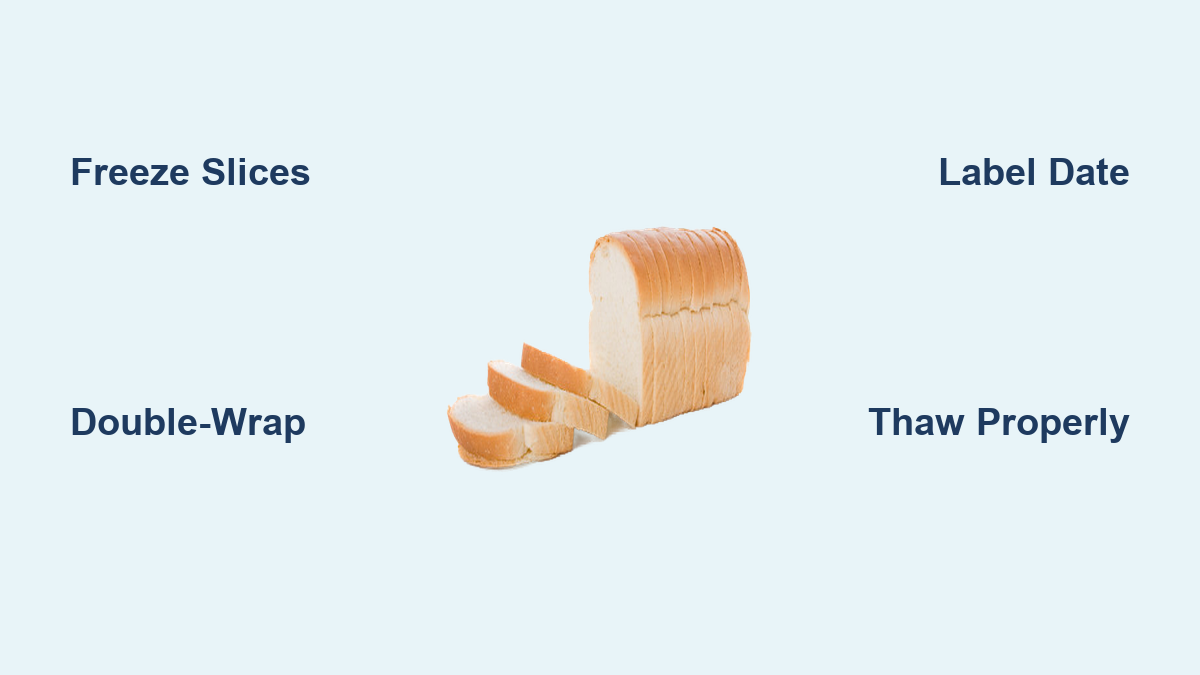
- Pro Tip: Freeze slices individually on a tray before bagging. This prevents them from fusing into a solid block, letting you thaw only what you need.
Artisan Breads (Sourdough, Baguettes, Ciabatta)
- Maximum quality window: 4–5 months
- Why they last longer: Low moisture + dense crumb resists ice damage
- Critical sign of spoilage: Hard, leathery crust that won’t crisp when reheated
- Pro Tip: Wrap tightly in beeswax wrap before bagging. The natural wax barrier reduces moisture migration better than plastic alone.
Homemade vs. Store-Bought Bread Freezing Differences
| Factor | Homemade Bread | Commercial Bread |
|---|---|---|
| Freezer Lifespan | 2–3 months | 4–6 months |
| Why | No preservatives = faster staling | Calcium propionate slows starch retrogradation |
| Best Prep | Slice before freezing | Freeze whole loaf |
Step-by-Step: Freeze Bread for Maximum Freshness

Essential Tools Checklist
- Vacuum sealer (or heavy-duty freezer bags)
- Permanent marker for labeling
- Aluminum foil or beeswax wrap (for extra protection)
- Freezer thermometer ($5 at hardware stores)
The 4-Step Freezing Process That Prevents Freezer Burn
- Cool completely: Never freeze warm bread—it creates condensation inside packaging.
- Pre-slice: Cut into portions you’ll use at once (e.g., 2 slices for toast).
- Double-wrap: First layer: Press out all air from a freezer bag. Second layer: Wrap bag in foil.
- Label clearly: Include date + contents (e.g., “2/28 Sourdough Slices”).
How to Thaw Bread Without Sogginess
- For toast: Place frozen slices directly in toaster—no thawing needed.
- For sandwiches: Thaw at room temperature for 30 minutes, then crisp in a dry skillet.
- Never microwave thaw: Creates uneven moisture pockets = gummy texture.
When Frozen Bread Becomes Unsafe (Rare But Critical)
While frozen bread rarely spoils (bacteria can’t grow below -12°C/10°F), it can become unsafe if:
– You refreeze thawed bread: Temperature abuse allows mold spores to activate.
– Packaging is compromised: Visible ice crystals inside the bag indicate moisture loss—safe but poor quality. Frost on the bread surface means freezer burn—safe but unpleasant.
– It smells sour or yeasty: Indicates fermentation resumed during a thaw cycle. Discard immediately.
3 Costly Freezing Mistakes That Ruin Bread Texture
Mistake #1: Using Thin Plastic Bags
Standard sandwich bags develop microscopic tears in the freezer. Water vapor escapes, leaving bread dry.
– Fix: Double-bag or use vacuum-sealed bags. Press out every bit of air before sealing.
Mistake #2: Freezing Whole Loaves Without Slicing
Thawing a full loaf takes hours—during which the crust softens while the center stays frozen.
– Fix: Slice before freezing. Pull out only what you’ll use that day.
Mistake #3: Ignoring Freezer Burn Signs
Many toss bread at the first ice crystal, but minor freezer burn is salvageable.
– When to use it: Trim off visibly dry/white spots; toast the rest.
– When to trash it: If >30% of the loaf is covered in grayish-white patches.
Extending Bread’s Freezer Life Beyond 6 Months
For emergency stockpiling (e.g., bulk bakery purchases), add these steps:
1. Pre-freeze with dry ice: Place bread in a cooler with dry ice for 2 hours before bagging. This flash-freezes moisture instantly.
2. Add a moisture barrier: Tuck a damp (not wet) paper towel into the bag—it releases humidity during thawing.
3. Store at the back of the freezer: Avoid door shelves where temperatures fluctuate most.
Reviving Stale-Frozen Bread: 3 Kitchen Hacks
Even bread frozen too long can be rescued:
1. The Oven Method: Spritz slices with water, bake at 175°C (350°F) for 5–7 minutes. Steam rehydrates the crumb.
2. The Sandwich Trick: Make grilled cheese—the cheese’s fat coats dry bread, masking staleness.
3. Bread Crumb Shortcut: Pulse rock-hard slices in a food processor for instant breadcrumbs (freeze crumbs for 6+ months).
Final Note: Properly frozen bread stays safe indefinitely at 0°F (-18°C), but how long does bread keep in the freezer at edible quality? For sandwich loaves: 3 months. Artisan breads: 5 months. Always prioritize airtight packaging and stable temperatures. Before discarding frozen bread, test a small piece—many “stale” loaves revive perfectly with toasting. For longest shelf life, slice before freezing, double-wrap, and label with dates. If your freezer lacks space for proper storage, consider making smaller batches more frequently. Remember: Freezer burn affects texture, not safety—trim affected areas and use the rest. For more food preservation tips, explore our guides on freezing herbs or extending cheese shelf life.