How a Flash Freezer Works: Fast Freezing Explained
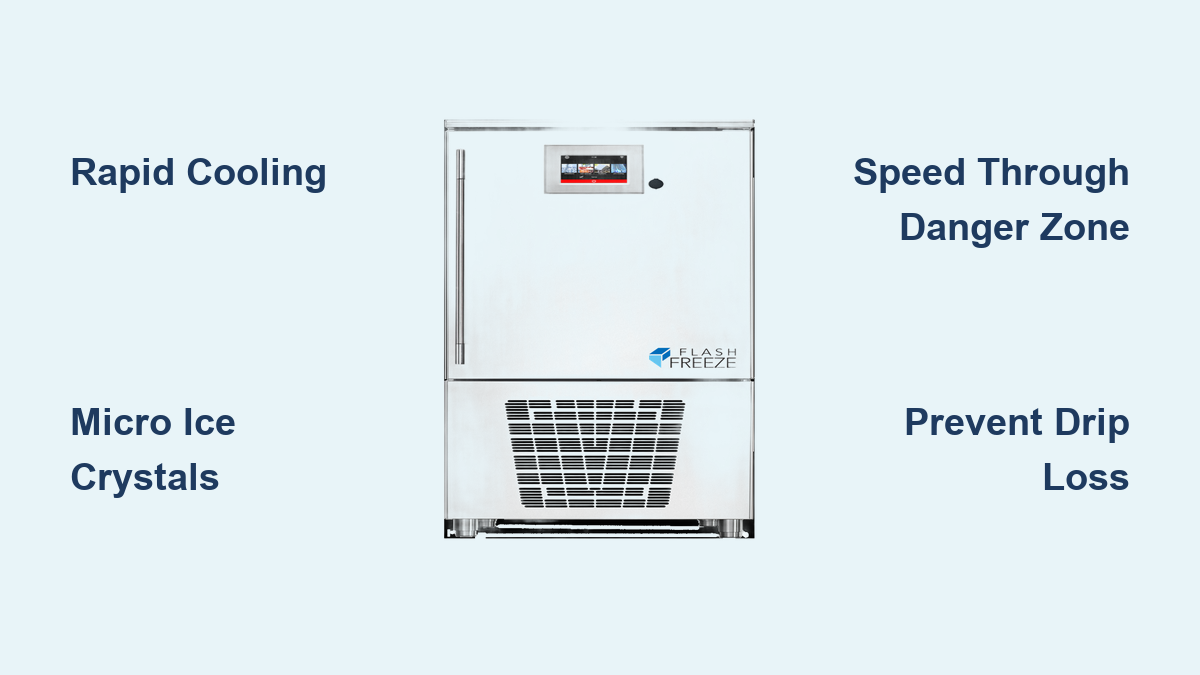
Ever wondered why flash frozen seafood tastes remarkably fresh while conventionally frozen fish often turns out dry and flavorless? The answer lies in how flash freezers rapidly lock in freshness at the molecular level. Unlike standard freezers that take hours to freeze food, flash freezers drop product temperatures to -40°F (-40°C) or colder within minutes, preventing the destructive ice crystal formation that ruins texture and flavor. Understanding how does a flash freezer work reveals why this technology has revolutionized food preservation across restaurants, seafood processors, and even home kitchens where quality matters.
The magic happens in the critical temperature zone between 31°F and 25°F—where water transitions from liquid to solid. Conventional freezers linger in this danger zone for hours, allowing large, jagged ice crystals to form and rupture cell walls. Flash freezers blast through this range so quickly that water molecules form only microscopic crystals, preserving cellular integrity that determines texture, moisture retention, and nutritional value. This article explains exactly how flash freezers achieve these remarkable results, the different technologies employed, and why speed is the secret ingredient for frozen food that tastes genuinely fresh.
Why Ice Crystal Size Determines Frozen Food Quality
How Slow Freezing Creates Destructive Ice Crystals
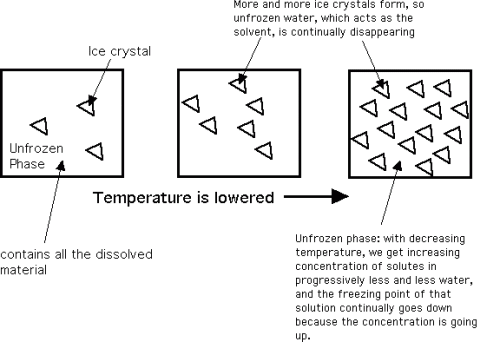
When food freezes slowly in a standard freezer, water molecules have ample time to organize into large, jagged ice crystals that physically rupture cell walls and membranes throughout the product. This cellular destruction is permanent—once those walls are broken, they cannot recover during thawing, resulting in mushy texture, excessive moisture loss, and diminished flavor. The extended time spent in the critical temperature zone between 31°F and 25°F allows crystals to grow large enough to cause significant structural damage that compromises quality irreversibly.
The physics behind this damage follows principles of classical nucleation theory, which describes how crystals begin forming from supercooled liquids. During slow freezing, nucleation occurs at fewer sites, allowing crystals to grow larger as surrounding water molecules join the structure. Imagine a single snowflake growing steadily in calm conditions versus thousands of tiny snowflakes forming simultaneously during a blizzard—the latter creates a gentler, less damaging effect on the food’s cellular structure.
Rapid Freezing Creates Microscopic Ice Crystals
Flash freezing solves the ice crystal problem by rushing products through the critical temperature zone so quickly that water molecules have no time to form large, destructive crystals. Instead of spending hours in this danger zone, flash frozen products pass through in mere minutes, encountering temperatures cold enough that water forms only microscopic crystals. These tiny crystals cause proportionally less damage to cellular structures, preserving the integrity that determines texture, moisture retention, and overall quality.
The relationship between freezing rate and crystal size makes speed the critical quality factor in all freezing applications. When freezing happens rapidly, nucleation occurs simultaneously throughout the food at many more sites, creating a proliferation of small crystals rather than a few large ones. This simultaneous nucleation creates uniform micro-crystals that maintain cellular integrity, resulting in food that, when thawed, releases less moisture, retains more of its original texture, and preserves flavor compounds that slow freezing allows to escape.
The Critical Temperature Zone That Makes or Breaks Freezing Results
Why 31°F to 25°F Is the Danger Zone for Food Quality
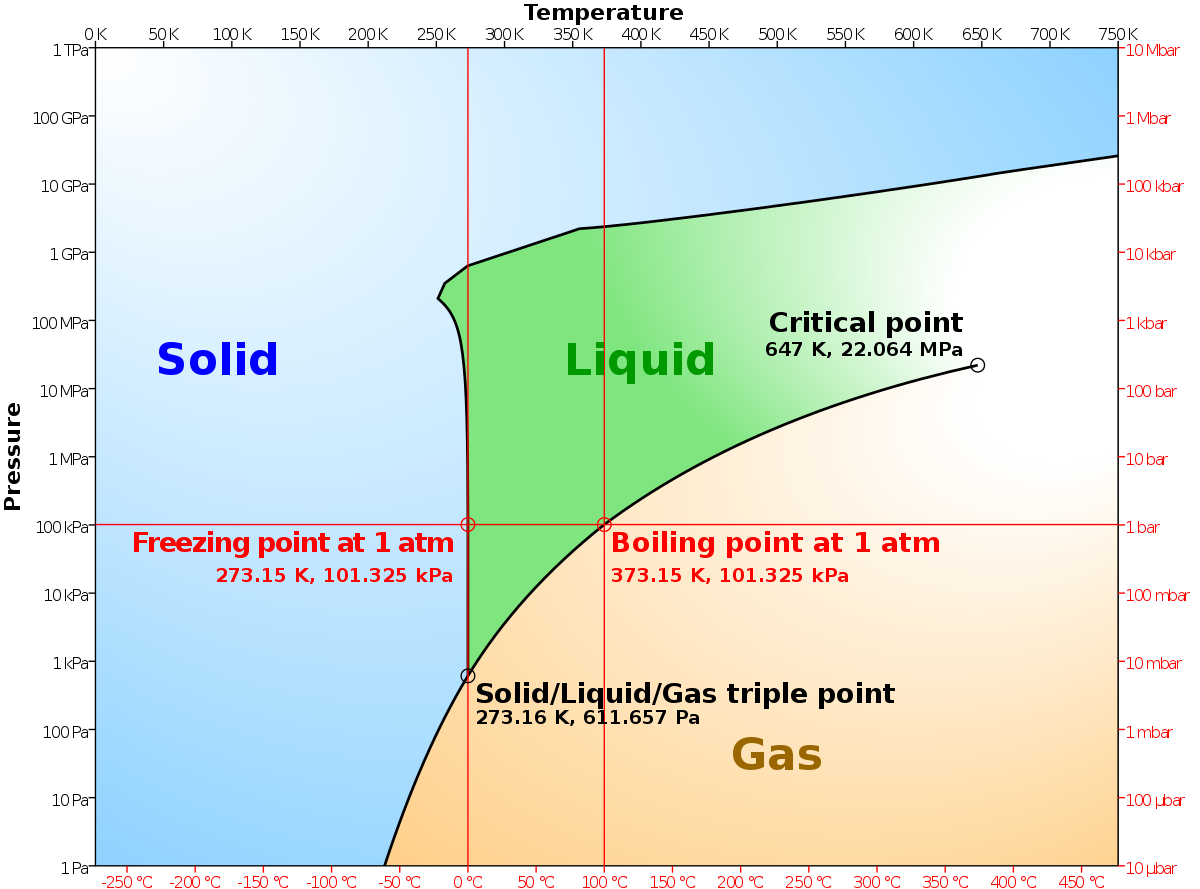
The narrow temperature range between 31°F and 25°F represents the danger zone where large ice crystals form and destroy food quality during conventional freezing. This is the temperature span where water transitions from liquid to solid, and the longer food remains in this zone, the more time ice crystals have to grow to destructive sizes. Standard freezers typically take hours to move products through this critical range, while flash freezers accomplish the same transition in minutes.
This temperature zone matters so much because it’s where the physics of nucleation and crystal growth create the most damage. At temperatures just below freezing, water molecules move slowly enough to form organized crystalline structures but remain mobile enough to allow those crystals to grow large. The result is the formation of jagged ice crystals that expand and physically rupture cell membranes throughout the food. Once this cellular damage occurs, no amount of careful thawing can restore the original texture and structure.
How Flash Freezers Blast Through This Critical Range
Flash freezers overcome the danger zone problem through extreme cooling capacity and optimized airflow that rapidly extracts heat from food products. Commercial air blast systems achieve this through powerful fans circulating supercooled air at velocities far exceeding conventional freezers, while cryogenic systems like liquid nitrogen freezers achieve temperatures as low as -196°F (-320.8°F) for near-instantaneous freezing.
The key metric for flash freezer effectiveness is how quickly it can move products through the critical temperature zone. High-performance commercial units can reduce product temperature from 70°F to -20°F in under 30 minutes, compared to 24+ hours for standard freezers. This dramatic reduction in transition time prevents large ice crystals from forming, preserving cellular structure and resulting in frozen food that maintains its fresh characteristics when thawed. When you understand how does a flash freezer work, you realize it’s all about speed through this narrow but critical temperature range.
Air Blast Freezers: Commercial Workhorses of Rapid Freezing
How Supercooled Air Circulation Achieves Rapid Freezing
Air blast freezers represent the most widely deployed flash freezing technology in commercial food operations, utilizing powerful fans to circulate supercooled air throughout an enclosed chamber. These systems achieve rapid freezing by moving large volumes of cold air across product surfaces at velocities far exceeding those found in conventional freezers. The compressor and refrigerant systems in air blast freezers are specifically engineered for high-capacity cooling that maintains temperatures dramatically colder than standard refrigeration equipment while moving enough air to ensure even coverage.
Modern air blast freezers create a 360-degree freezing environment where cold air contacts all surfaces simultaneously from multiple angles. This multidirectional circulation prevents the uneven freezing patterns common in systems with single air outlets. Advanced designs incorporate technologies like Microwind systems that gently but quickly freeze products at temperatures reaching -45°C, achieving freezing rates approximately eight times faster than conventional alternatives while maintaining equal water distribution within food cells.
Configurations for Different Commercial Needs
Commercial air blast freezers come in several configurations suited to different operational requirements:
- Batch-type systems: Accommodate discrete processing runs, making them suitable for operations with variable product types or smaller volumes
- Tunnel-type systems: Support continuous production lines where products move through the freezing zone on conveyors, ideal for high-volume operations
- Spiral models: Stack the freezing path vertically, achieving high throughput within smaller floor footprints
Many modern units include anti-frost technology allowing continuous operation for up to 72 hours without defrosting cycles, maximizing production efficiency for busy operations. When you’re evaluating how does a flash freezer work for your business, consider which configuration best matches your production volume, space constraints, and product types.
Liquid Nitrogen Systems: Achieving Extreme Freezing Speeds
Immersion vs. Vapor Freezing Methods
For applications requiring the absolute fastest possible freezing, liquid nitrogen systems achieve temperatures as low as -196°F (-320.8°F) through direct contact with cryogenic fluids. These IQF (Individually Quick Frozen) freezers achieve freezing rates that mechanical systems cannot match. Products immersed in liquid nitrogen can reach core temperatures of -80°F or lower within minutes, with some items completing freezing in as little as one to ten minutes depending on size and initial temperature.
The cryogenic freezing process involves either immersing products directly in liquid nitrogen or exposing them to nitrogen vapor. During immersion, nitrogen vapor forms an insulating layer around the product that must be managed through proper equipment design and continuous product movement to prevent blocking or lump formation. The extremely rapid heat transfer creates the smallest possible ice crystals, maximizing cellular preservation for premium-quality frozen products.
Safety and Cost Considerations for Cryogenic Freezing
Despite unmatched freezing performance, liquid nitrogen systems carry important operational considerations:
- Higher operational costs: Due to the expense of nitrogen consumables
- Safety protocols: Liquid nitrogen can cause severe cryogenic burns to unprotected skin and can displace oxygen in enclosed spaces
- Training requirements: Proper handling procedures must be strictly followed
These safety considerations necessitate proper training and equipment for anyone operating cryogenic freezing systems, adding complexity that makes liquid nitrogen less suitable for some applications despite its technical advantages. When you’re determining how does a flash freezer work in your specific context, weigh these factors against the quality benefits for your particular products.
Preventing Drip Loss: Why Flash Frozen Foods Keep Their Juices
The Cellular Connection to Moisture Retention
Drip loss—the internal moisture and weight that products lose during thawing—represents one of the most visible quality differences between flash frozen and conventionally frozen items. When slow freezing ruptures cell membranes, the moisture contained within those cells escapes during thawing as visible liquid dripping from the product. This lost moisture contains not only water but also dissolved proteins, flavors, and nutrients that contributed to the product’s quality and value.
Flash frozen products experience dramatically reduced drip loss because the small ice crystals formed during rapid freezing cause less cellular damage. When thawed, cells retain their moisture rather than releasing it as drip, preserving both the weight and the dissolved compounds that contribute to quality. This moisture retention makes flash frozen products more valuable economically—higher recovered weight means more product to sell—while also delivering superior quality to consumers who notice the difference in texture and flavor.
Quantifying the Economic Impact of Reduced Drip Loss
The economic significance of drip loss varies by product type but proves particularly important for high-value items:
- Seafood: Premium fish and shellfish can lose 5-10% of their weight to drip loss with conventional freezing
- Berries: Delicate fruits like raspberries and blueberries suffer significant texture degradation
- Meats: Premium cuts lose both weight and valuable flavor compounds
For businesses processing significant volumes of these products, minimizing drip loss directly improves profitability while also enhancing customer satisfaction with consistently high-quality products. When you understand how does a flash freezer work to preserve cellular structure, you can better appreciate why the investment often pays for itself through reduced product loss and higher customer satisfaction.
Home Flash Freezing: Maximizing Results with Standard Equipment
Transforming Your Household Freezer into a Mini Flash Freezer
While commercial flash freezers achieve their results through specialized equipment costing thousands of dollars, home cooks can approximate flash freezing effects using standard household freezers with proper technique. The key to successful home flash freezing lies in maximizing freezing speed through careful preparation and arrangement of items before freezing. By ensuring good air circulation around individual pieces and starting with the coldest possible freezer temperature, you can achieve freezing rates that approach commercial flash freezing for small batches.
Follow these home flash freezing steps:
1. Clean, dry, and arrange food items in single layers on baking sheets
2. Position pieces so they don’t touch each other to maximize surface exposure
3. Place baking sheets in the coldest part of your freezer (typically the back or bottom)
4. Freeze until solid (several hours depending on your freezer)
5. Transfer frozen pieces to airtight containers with as much air removed as possible
This simple process transforms the results achievable with ordinary home equipment, preserving texture and flavor far better than conventional freezing methods.
Optimizing Home Freezer Performance for Better Results
Standard household freezers cannot truly match commercial flash freezing performance, but you can maximize results with these techniques:
- Pre-chill your freezer: Set to maximum cold setting 24 hours before adding new items
- Use “fast freeze” functions: Many modern freezers have special modes that temporarily boost compressor performance
- Avoid overfilling: Ensure at least 2 inches of clearance around items for proper air circulation
- Freeze in small batches: Process smaller quantities to prevent temperature fluctuations
Common home flash freezing mistakes to avoid:
– ❌ Placing warm food directly into the freezer
– ❌ Overcrowding items so they touch each other
– ❌ Using containers that don’t allow for expansion
– ❌ Skipping the pre-freezing step on baking sheets
The quality improvements achieved through home flash freezing methods, while not matching commercial equipment, still provide meaningful benefits over conventional freezing. Berries flash frozen at home maintain their shape and texture far better, while fish retains more of its fresh-caught characteristics, making the extra effort worthwhile for quality-conscious home cooks.
Professional Maintenance for Peak Flash Freezer Performance
Essential Cleaning Procedures for Longevity
Maintaining flash freezer performance requires regular cleaning and care procedures that ensure continued optimal operation:
- Interior surfaces: Clean monthly with mild detergent and warm water to prevent odor buildup
- Condenser coils: Vacuum or brush clean every 3-6 months to maintain cooling efficiency
- Door gaskets: Inspect weekly for cracks and clean monthly with a damp cloth
- Drain lines: Check quarterly for blockages, especially in units with automatic defrost
Critical maintenance tip: Always unplug your flash freezer and allow it to defrost completely before cleaning interior surfaces. Never use abrasive cleaners or harsh chemicals that could damage surfaces or contaminate food products.
Temperature Verification and Performance Monitoring
Investing in a separate digital thermometer to verify actual freezer temperature provides confidence that your unit is performing as expected. Place the thermometer in the center of the freezer compartment and check readings regularly, especially when freezing valuable products. Most flash freezers operate optimally at manufacturer-recommended temperatures, typically around 0°F (-18°C) for storage mode with much lower temperatures during active freezing cycles.
Performance red flags requiring attention:
– Temperature fluctuations exceeding 5°F
– Excessive frost buildup (more than ¼ inch)
– Unusual noises from the compressor
– Longer freezing times than usual
– Visible condensation on exterior surfaces
When you consistently monitor these indicators, you’ll catch potential problems early before they compromise your frozen products or require expensive repairs. Understanding how does a flash freezer work includes recognizing these performance metrics that signal proper operation.
Why Flash Frozen Seafood Tastes Like It Was Just Caught
Nitrogen Freezing: The Secret to Premium Seafood Preservation
Seafood preservation represents one of the most demanding applications where flash freezing technology provides transformative benefits. Fish and shellfish deteriorate rapidly after harvest due to enzymatic activity and bacterial growth, making immediate preservation essential for maintaining quality. Nitrogen freezing has emerged as a preferred method for premium seafood, achieving super-speedy freezing that minimizes ice crystal formation and preserves cell structure with unmatched effectiveness.
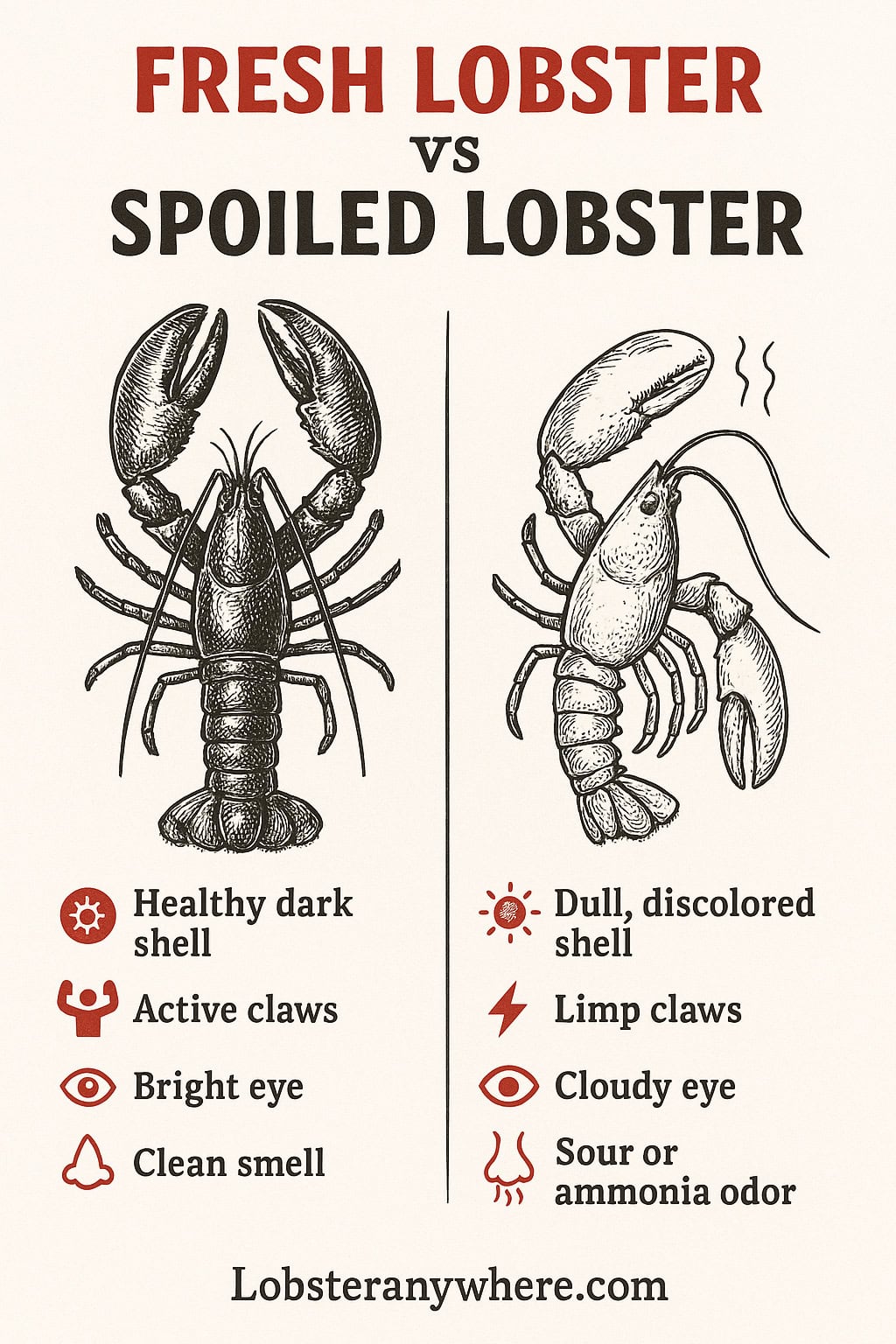
This rapid freezing locks in flavor and nutrients while preventing drying out or taste loss that plague slower freezing methods. The protective barrier formed around seafood during nitrogen freezing protects against freezer burn, maintaining color and taste without undesirable changes. Maine lobster processors exemplify this technology’s effectiveness, using nitrogen freezing to lock in freshness so completely that frozen lobster tastes as if freshly caught even months after processing.
Timing Is Everything in Seafood Flash Freezing
The quality of flash frozen seafood depends critically on how quickly freezing occurs after harvest:
- Optimal: Freezing within 1-2 hours of catch (best quality retention)
- Acceptable: Freezing within 6-12 hours of catch (good quality retention)
- Marginal: Freezing after 12+ hours (noticeable quality degradation)
When seafood is flash frozen at or near the point of capture or harvest, it locks in the fresh-caught characteristics—texture, flavor, and nutritional value—that distinguish premium products. The ability to freeze products immediately after harvest transforms what’s possible in seafood distribution, allowing consumers worldwide to enjoy premium quality that would otherwise be limited to coastal regions.
The Science Behind Preserving Nutritional Value Through Flash Freezing
How Rapid Freezing Protects Vitamins and Nutrients
Beyond texture and moisture, flash freezing preserves nutritional value that degrades during slow freezing and extended storage. The cellular damage caused by large ice crystals releases enzymes and other compounds that accelerate nutrient degradation during frozen storage. Small crystals formed during rapid freezing cause less cellular disruption, limiting the release of these degradation-promoting compounds and helping nutrients remain stable throughout storage.
The rapid passage through critical temperature ranges also limits the time available for oxidative reactions that degrade sensitive nutrients like certain vitamins and omega-3 fatty acids. By minimizing exposure to temperatures where such reactions proceed at significant rates, flash freezing preserves nutritional profiles closer to fresh product values. This preservation proves particularly important for nutrient-dense foods like berries, leafy vegetables, and fatty fish, where nutritional value represents a significant portion of the product’s overall worth.
Flash Frozen vs. “Fresh” Nutritional Comparison
Interestingly, flash frozen products often retain more nutritional value than fresh products that have undergone extended transport and storage. A flash frozen product processed immediately after harvest may retain more vitamins and nutrients than a “fresh” product that spent several days in transit and storage before reaching the consumer. This quality preservation makes flash freezing increasingly attractive for health-conscious consumers seeking maximum nutritional value from their food.
When you understand how does a flash freezer work to preserve cellular integrity, you realize it’s not just about texture and flavor—it’s also about maintaining the nutritional integrity that provides real health benefits. This scientific advantage explains why nutritionists increasingly recommend flash frozen produce as a healthy alternative to conventionally frozen or poorly handled “fresh” options.
Flash freezing delivers benefits that extend far beyond simply making food cold. The technology preserves quality at levels impossible through conventional freezing, maintains nutritional value, extends shelf life dramatically, and enables business models that would be impractical with any other preservation method. Understanding how does a flash freezer work reveals why speed through the critical temperature zone is the secret to frozen food that tastes genuinely fresh.
For home cooks, implementing basic flash freezing techniques with standard equipment can significantly improve frozen food quality. While you won’t achieve commercial-grade results, the extra effort of pre-freezing items on baking sheets before final packaging makes a noticeable difference in texture and flavor retention. For businesses, investing in proper flash freezing equipment pays dividends through reduced waste, higher-quality products, and customer satisfaction that supports premium pricing.
The next time you’re freezing fresh berries from your garden, fish from a recent catch, or homemade meals for later use, remember that how you freeze matters as much as what you freeze. By applying the principles of rapid freezing—maximizing surface exposure, ensuring good air circulation, and using the coldest possible temperatures—you’ll preserve quality that conventional freezing simply cannot match. That’s the real power behind understanding how does a flash freezer work.