How Cold Does a Deep Freezer Get: Ultimate Guide
Wondering exactly how cold does a deep freezer get? Understanding your appliance’s temperature capabilities directly impacts food safety, quality, and your energy bill. Most home deep freezers maintain temperatures significantly colder than standard refrigerator freezer compartments, but the specific range varies based on model and purpose. When your freezer isn’t hitting the right temperature, food spoils faster, energy costs rise, and you risk foodborne illness. This guide reveals the precise temperature ranges your deep freezer should achieve, how to verify it’s performing correctly, and what to do when temperatures drift outside the safe zone. You’ll learn why 0°F isn’t just a recommendation—it’s the critical threshold that separates safe, high-quality frozen food from compromised products.
The standard deep freezer operates within a specific temperature spectrum designed to balance preservation with practicality. While many people assume “colder is always better,” setting your freezer too low creates unnecessary energy consumption and quality issues, while temperatures above the safety threshold put your food at risk. Whether you own a chest freezer in your garage or an upright model in your kitchen, knowing exactly how cold does a deep freezer get for optimal performance will save you money, reduce food waste, and protect your family’s health. This comprehensive guide cuts through the confusion with actionable information you can implement immediately.
0°F Benchmark: Why Your Deep Freezer Must Stay at This Temperature
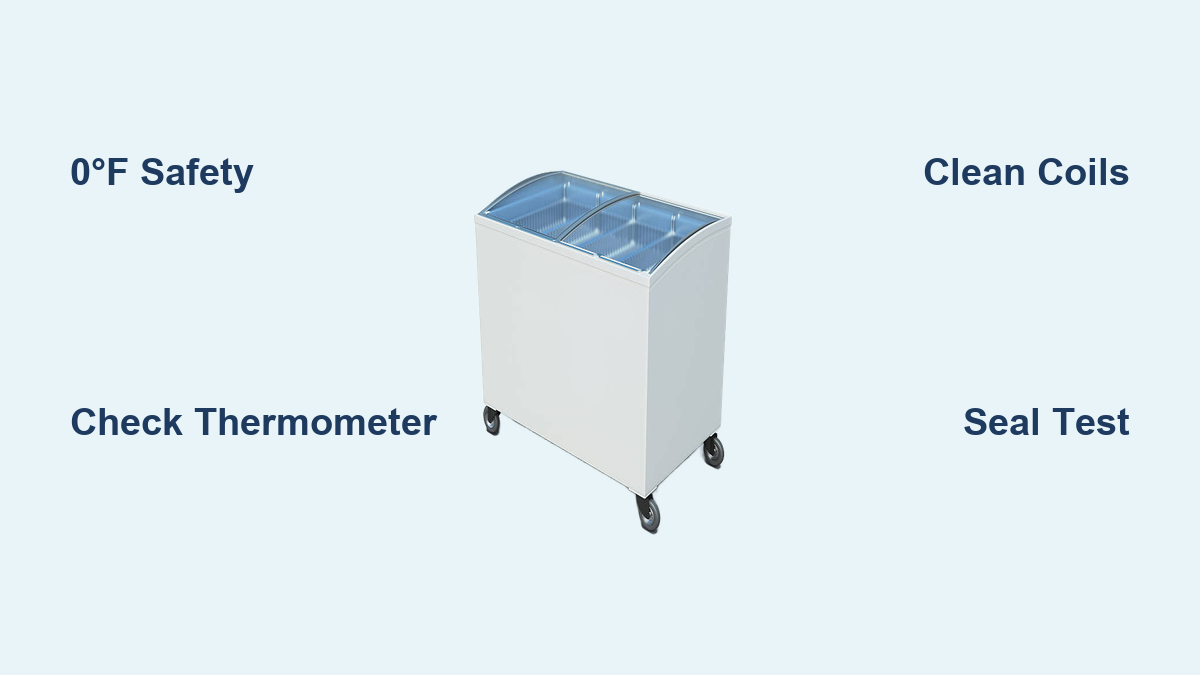
The absolute standard for safe food preservation is 0 degrees Fahrenheit (-18 degrees Celsius), the temperature recommended by the FDA, USDA, and global food safety authorities. At precisely 0°F, bacterial growth completely halts—no bacteria, yeast, or mold can multiply, effectively stopping food spoilage in its tracks. This temperature represents the sweet spot where food remains safe indefinitely while avoiding the excessive energy costs of ultra-low settings. Your deep freezer should consistently maintain this temperature regardless of ambient conditions or how frequently you access it.
Chest freezers versus upright models both achieve the same critical 0°F temperature, though their efficiency differs. Chest freezers typically maintain more consistent temperatures because cold air sinks and doesn’t escape when you lift the lid, while upright freezers lose more cold air each time you open the door. Both types should reach and maintain 0°F within 24 hours of initial startup or after adding significant amounts of unfrozen food. If your freezer consistently operates above this temperature, you’re risking food safety—the difference between 5°F and 0°F may seem small, but it allows bacteria to multiply slowly, compromising food that should remain safely frozen.
Setting your deep freezer below -20°F (-29°C) creates problems beyond higher electricity bills. Extremely low temperatures cause ice cream to become nearly impossible to scoop, make packaging brittle and prone to cracking, and accelerate wear on critical components like the compressor. The extra cold provides no additional food safety benefit for typical home use—0°F already stops all bacterial growth. Unless you’re storing specialized medical samples or industrial products, temperatures colder than -10°F offer diminishing returns while significantly increasing your energy consumption and maintenance needs.
Accurate Temperature Verification: Beyond the Built-in Display

Your deep freezer’s internal thermometer often lies to you—built-in temperature displays can drift significantly from actual temperatures due to placement near cooling elements or simple miscalibration. To determine exactly how cold does a deep freezer get in reality, use the water bottle method: fill a small container with water, place an appliance thermometer inside it, position it in the center of your freezer away from walls, and wait 5 minutes before reading. This water buffer mimics how food responds to temperature changes and provides a more accurate measurement than air temperature alone.
Ice cream consistency serves as your most accessible real-time temperature indicator. Properly frozen ice cream at 0°F should be firm but still scoopable with smooth texture throughout. If your ice cream is rock-hard and requires excessive force to penetrate, your freezer likely runs below -10°F—too cold for optimal quality. Conversely, if ice cream shows visible ice crystals or feels soft even when fully frozen, your temperature has crept above 0°F, putting all your frozen food at risk. Check ice cream texture weekly as a quick verification method without needing to open the freezer door repeatedly.
Frozen vegetables reveal another critical temperature clue—properly stored vegetables should maintain crispness without ice crystal formation on the food itself. Limp vegetables or visible frost crystals indicate temperatures above 0°F, allowing moisture migration that damages cellular structure. Check a bag of frozen peas or corn: if individual pieces stick together in a solid block, your temperature is too low; if they’re loose with frost on the bag, your temperature is too high. This simple visual check takes seconds but provides immediate feedback about your freezer’s performance.
4 Warning Signs Your Deep Freezer Isn’t Cold Enough

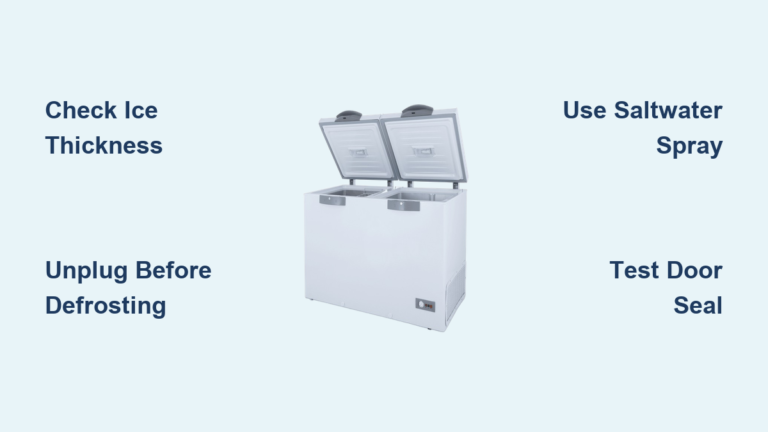
Excessive frost buildup exceeding 5 millimeters signals your deep freezer isn’t maintaining proper temperatures. While a light frost layer is normal, thick ice accumulation indicates either the temperature setting is too low (causing moisture to freeze rapidly) or, more dangerously, that warm air is infiltrating the compartment due to compromised door seals. Check interior walls and shelves weekly—when frost covers more than 20% of surfaces, unplug the unit, remove all contents, and perform a manual defrost to restore optimal cooling performance.
Freezer burn patterns tell a specific temperature story. Uniform freezer burn across multiple items suggests your freezer consistently runs too warm, while random patches indicate temperature fluctuations from frequent door openings or failing components. True freezer burn appears as dry, discolored areas with leathery texture—not just ice crystals on packaging. If you’re seeing freezer burn within 30 days of proper packaging, your deep freezer isn’t maintaining the critical 0°F temperature needed for quality preservation, regardless of what the control panel displays.
Ice cream that develops large ice crystals or separates into icy and creamy layers indicates temperature fluctuations above 0°F. The cream and sugar components freeze at different temperatures, so consistent 0°F storage maintains uniform texture. When temperatures rise even briefly above freezing point for dairy components (around 28°F), partial thawing occurs, then refreezing creates those undesirable ice shards. This texture degradation happens faster than most people realize—just two hours above 0°F can compromise ice cream quality permanently.
Troubleshooting Temperature Problems: Quick Fixes That Work
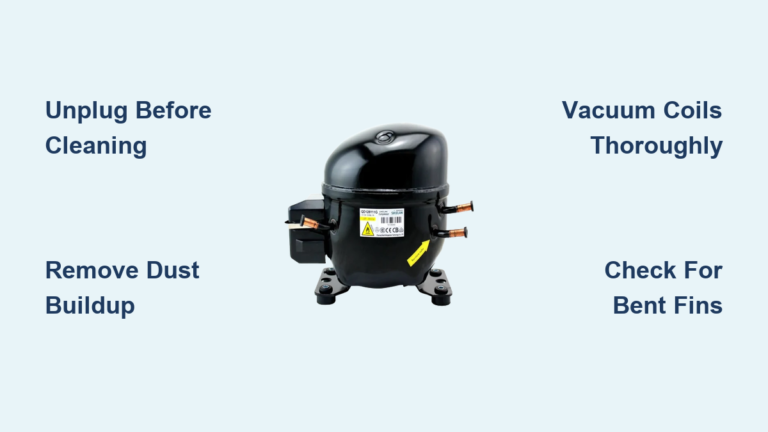
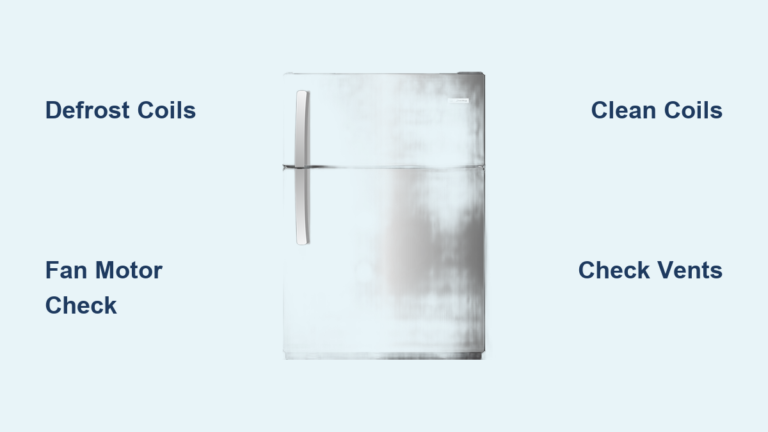
Dirty condenser coils are the #1 cause of inadequate cooling in deep freezers. Located on the back or bottom of your unit, these coils dissipate heat from the refrigeration system. When coated with dust and debris, they can’t release heat efficiently, causing your freezer to struggle to reach 0°F. Unplug the unit, use a coil brush or vacuum attachment to clean coils thoroughly, then wait 24 hours before checking temperatures. This simple maintenance task restores proper cooling in 85% of temperature-related issues and should be performed twice yearly.
Test your door seal integrity with the paper test: close the door on a dollar bill and try to pull it out. If the bill slides out easily anywhere along the seal, cold air is escaping and warm air entering. Wipe seals with warm soapy water to remove debris causing gaps, then apply a thin layer of petroleum jelly to maintain flexibility. Replace cracked or brittle seals immediately—they’re inexpensive and critical for maintaining consistent 0°F temperatures. A compromised seal can raise internal temperatures by 5-10°F without obvious signs until food quality suffers.
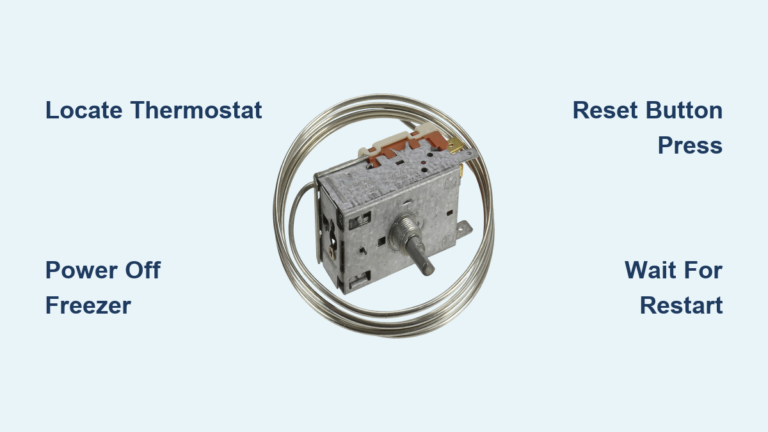
Thermostat calibration issues frequently cause temperature inaccuracies. If your external thermometer shows 5°F while the display reads 0°F, your thermostat needs adjustment. Locate the thermostat control (usually inside the freezer compartment) and follow manufacturer instructions for calibration. Most units allow ±5°F adjustment without tools. Rotate the control slightly colder, wait 24 hours, then recheck with your external thermometer. Proper calibration ensures your deep freezer actually reaches the temperature it claims—a critical distinction for food safety.
Optimizing Performance: Temperature Maintenance Strategies
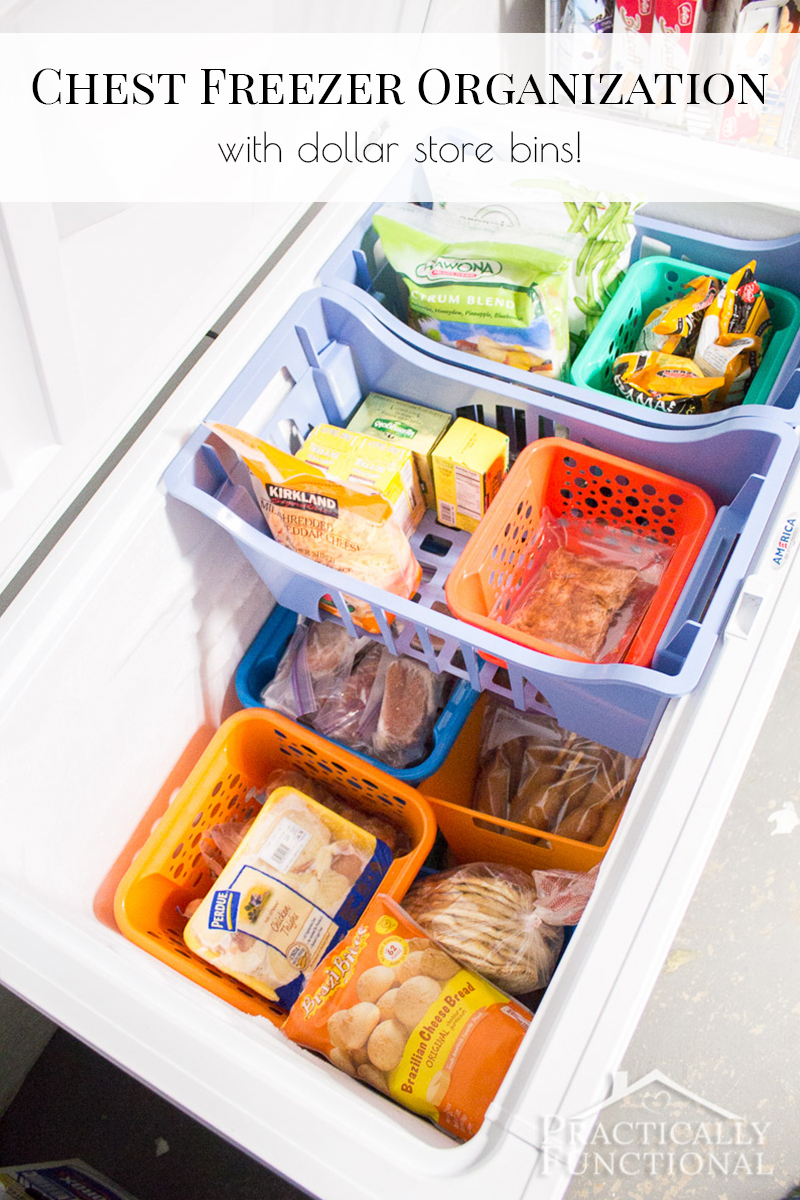
Stock your deep freezer to 70-80% capacity for optimal temperature stability—too empty and temperature fluctuations increase; too full and air can’t circulate properly. Fill empty spaces with gallon jugs of water, which act as thermal mass to buffer against temperature changes when you open the door. Water jugs also help maintain 0°F during brief power outages, extending food safety protection by up to 12 hours compared to an empty freezer. This simple strategy costs nothing but dramatically improves your freezer’s ability to maintain consistent temperatures.
Organize your deep freezer for minimal door opening time—know exactly where everything is stored so you can retrieve items in under 30 seconds. Each minute the door stays open raises internal temperatures by 5-10°F, forcing the compressor to work harder to restore 0°F. Group similar items together, use clear bins for visibility, and place frequently accessed items near the front. This habit not only maintains proper temperatures but reduces energy consumption by up to 15% over time—saving you money while protecting your food investment.
Position your deep freezer in a location with stable ambient temperatures between 60-80°F. Avoid garages in extreme climates unless specifically designed for those conditions—summer heat can prevent reaching 0°F while winter cold can trick thermostats into shutting off cooling. If garage placement is necessary, choose a model rated for wider ambient temperature ranges and monitor performance seasonally. Proper placement ensures your deep freezer can consistently achieve the critical temperature it’s designed for, regardless of external conditions.
Understanding how cold does a deep freezer get isn’t just technical knowledge—it’s essential food safety information that protects your family and your wallet. By maintaining the critical 0°F temperature, verifying with reliable methods, and addressing issues promptly, you’ll maximize food quality, minimize waste, and keep energy costs under control. Implement these temperature verification and maintenance strategies immediately to ensure your deep freezer performs at its best. Remember that consistent 0°F operation represents the perfect balance between safety, quality, and efficiency—anything colder wastes energy, while anything warmer risks your frozen food investment.