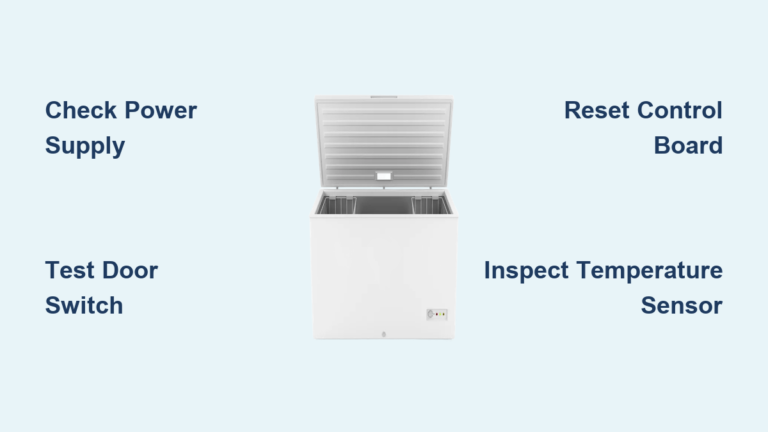
Haier Chest Freezer Not Cooling? Fix It Fast
Your Haier chest freezer has stopped keeping food frozen, and you’re likely facing a frustrating situation with potentially hundreds of dollars of perishables at risk. A cooling failure in your freezer can stem from several causes, ranging from simple power issues to component failures that require professional repair. Understanding what’s causing the problem—and knowing which fixes you can handle yourself versus when to call an expert—can save you both time and money while protecting your stored food.
This comprehensive troubleshooting guide walks you through the most common reasons your Haier chest freezer isn’t cooling properly, providing step-by-step diagnostic procedures you can perform at home. Many cooling issues are surprisingly simple to diagnose and fix without specialized tools or expensive service calls. By systematically working through the potential causes outlined here, you can often restore your freezer’s cooling function quickly and determine whether a professional repair or part replacement is necessary.
Check Power Connection First
Before assuming your Haier chest freezer has a serious mechanical failure, verify that it’s receiving power correctly. Electrical issues account for a significant portion of apparent cooling problems, and they’re the simplest to diagnose and resolve.
Verify Outlet Functionality
Start by testing the wall outlet with another device, such as a lamp or phone charger, to confirm it’s supplying electricity. If the secondary device doesn’t work, you’ve identified a power supply issue rather than a freezer malfunction. In this case, check your home’s circuit breaker panel for any tripped breakers and reset them if necessary. Many homeowners overlook the simple solution of a tripped breaker, especially after storms or when multiple high-draw appliances operate simultaneously. Additionally, avoid using extension cords with major appliances, as they can create connection problems and fire hazards due to inadequate current capacity.
Inspect Power Cord and Plug
Examine the freezer’s power cord for any visible damage, including cuts, fraying, or exposed wires. Feel along the cord’s length, bending it gently at various points to see if the unit’s indicator lights flicker—intermittent power often indicates a cord problem requiring replacement. Pay special attention to where the cord enters the freezer cabinet, as this area is prone to stress fractures. Also, ensure the plug is fully inserted into the outlet and that the outlet’s spring-loaded contacts aren’t loose, which can cause intermittent power loss. A loose connection here creates resistance that generates heat, potentially damaging both the plug and outlet over time.
Test Temperature Settings
Incorrect temperature settings represent one of the most overlooked causes of apparent cooling failures. Before performing any disassembly or component testing, confirm that your freezer’s controls are set correctly.
Locate and Check Control Dial
Most Haier chest freezers feature an adjustable temperature control dial located inside the unit, typically on the front wall near the opening. This dial usually ranges from 1 (warmest) to 7 (coldest). If your dial was accidentally bumped or adjusted, it may have been set to a temperature that allows ice to form while preventing proper freezing. Pro Tip: Mark your ideal setting with a permanent marker so you can easily identify if it’s been moved. The recommended setting for most Haier chest freezers is position 4 or 5, which maintains temperatures between 0 and 5 degrees Fahrenheit—critical for long-term food preservation.
Allow Recovery Time After Adjustment
After correcting the temperature setting, remember that a chest freezer typically requires 24 to 48 hours to reach its new stable temperature after adjustment. If you’ve just moved the freezer, adjusted the controls, or experienced a power interruption, give it adequate time before concluding that a cooling problem exists. During this period, avoid opening the lid frequently, as each opening allows warm air to enter and extends the recovery time. Place an appliance thermometer inside your freezer to monitor the actual temperature rather than relying solely on the control dial setting.
Inspect Condenser Coils

Dirty or blocked condenser coils force your Haier freezer’s compressor to work harder while reducing cooling efficiency. This problem is particularly common in chest freezers placed in dusty environments or against walls where air circulation is limited.
Clean Coils Thoroughly
Use a coil cleaning brush or soft bottle brush to gently remove accumulated dust, pet hair, and debris from between the coil loops or across the condenser surface. Follow this with the brush attachment on your vacuum cleaner to suction away the loosened material. For stubborn buildup, a can of compressed air works effectively. Warning: Be thorough but gentle—damaging the coils or their connections can create refrigerant leaks. After cleaning, ensure at least two inches of clearance between the coils and any wall or furniture to maintain proper airflow. Most manufacturers recommend cleaning condenser coils every three to six months for optimal performance.
Check for Frost Buildup

Excessive interior frost doesn’t just indicate a defrost system problem—it actively reduces cooling efficiency by creating insulation between the evaporator coils and the freezer compartment.
Remove Frost Manually
If you discover significant frost accumulation, unplug the freezer and prop the lid open to allow the frost to melt naturally. This process may take several hours, so placing towels around the base can catch water runoff. For faster results, place bowls of hot water inside and close the lid briefly, repeating as the water cools. Never use sharp objects to chip away frost, as this can puncture the inner liner or damage the refrigeration system. Once the frost has melted, clean the interior thoroughly with a mild baking soda solution before restarting the unit.
Prevent Future Frost Accumulation
Maintain your freezer by keeping it adequately filled (solid contents retain cold better than air), limiting door openings, and ensuring the door seal is intact. Avoid placing hot or warm items in the freezer, as they introduce moisture that becomes frost. Some owners cover containers with plastic wrap or aluminum foil to reduce moisture release. If your model lacks an automatic defrost feature, schedule periodic manual defrosting—typically when frost buildup reaches 1/4 inch thickness. Proper food packaging makes a dramatic difference in long-term frost prevention.
Verify Door Seal Integrity
A compromised door seal allows warm, humid air to enter the freezer each time you open it, creating frost buildup and preventing proper cooling. This issue worsens over time as seals become brittle, damaged, or misaligned.
Perform the Dollar Bill Test
Close the freezer door on a dollar bill (or a sheet of paper) so that it extends from inside the freezer to outside. Try to pull the bill out while the door is closed. If you can remove it easily with minimal resistance, the seal is too loose and isn’t creating an adequate air barrier. Test several points around the door perimeter, paying particular attention to corners where seals commonly fail first. A proper seal should hold the paper firmly enough that you feel resistance when pulling. Replacing a worn door gasket typically costs less than $50 and dramatically improves energy efficiency.
Listen for Compressor Issues
The compressor is the heart of your freezer’s cooling system, circulating refrigerant through the coils to remove heat. When the compressor fails or malfunctions, cooling stops completely.
Identify Normal Compressor Sounds
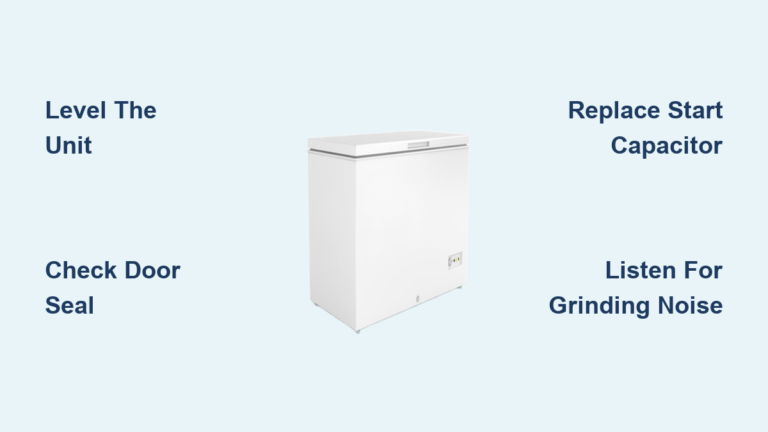
A functioning compressor produces a low, steady humming or buzzing sound during operation, followed by a softer clicking when it cycles off. You should hear this cycling pattern repeat regularly—typically every 10 to 30 minutes depending on ambient conditions and door opening frequency. The compressor is located in the compartment at the bottom or back of the freezer and houses the start relay and capacitor. If you don’t hear any compressor activity but the interior light works, you’ve likely isolated the problem to the cooling system rather than a power issue.
Test Start Relay and Capacitor

The start relay and start capacitor work together to provide the initial surge of power your compressor needs to start running. When either component fails, the compressor may hum briefly before shutting down without achieving full operation.
Locate and Remove the Start Relay
The start relay is a small, typically black or plastic device plugged directly onto the compressor’s terminals. It connects to the compressor via two or three metal terminals and often has a vented cover. To test it, unplug the freezer and carefully pull the relay straight off the terminals. Examine the relay for visible damage such as a swollen or melted case, burnt marks, or corroded terminals—these indicate immediate failure requiring replacement. Important: Always discharge the capacitor by shorting its terminals with an insulated screwdriver before handling to prevent electrical shock.
When to Call a Technician
While many cooling issues are DIY-repairable, some situations require professional expertise and specialized equipment. Recognizing when to call a technician prevents further damage and ensures safe, effective repair.
Signs of Refrigerant Leaks
If your freezer runs constantly but never achieves proper cooling, the refrigerant system may have developed a leak. Signs include hissing sounds, oily residue around seams or connections, and significantly increased energy consumption. Refrigerant handling requires environmental certifications and specialized equipment, making professional repair mandatory. Additionally, refrigerant recharge costs often exceed the value of older freezers—consider replacement versus repair economics. Many technicians carry UV dye detection equipment that can pinpoint even minor leaks invisible to the naked eye.
Prevent Future Cooling Problems
Regular maintenance and proper usage habits significantly extend your freezer’s reliable service life while preventing common cooling failures.
Establish Cleaning Routines
Schedule quarterly condenser coil cleaning to maintain optimal heat transfer and compressor efficiency. Inspect and clean door seals monthly, removing any food residue that might compromise the seal. Periodically check the interior for frost accumulation and defrost before buildup exceeds 1/4 inch. Keep the area around your freezer clear of dust, debris, and anything that might restrict airflow around the condenser. A simple 15-minute maintenance session every few months can prevent 90% of common cooling problems.
Monitor Usage Patterns
Avoid overloading your Haier chest freezer, as stuffed units restrict air circulation and force the compressor to work harder. Never leave the lid open longer than necessary—each minute of open time allows warm air and moisture entry that the compressor must remove. Allow hot foods to cool before freezing them, and wrap items securely to prevent moisture release. Consider maintaining a small inventory of frozen water bottles to help the freezer recover more quickly after door openings. Proper organization with labeled containers also minimizes search time with the lid open.
When your Haier chest freezer not cooling properly, systematic troubleshooting saves both time and money. Start with the simplest possibilities—power issues, temperature settings, and door seals—before moving to more complex components. Most cooling failures stem from preventable issues rather than catastrophic component failure. By following these diagnostic steps, you can often restore proper cooling function without professional assistance. Remember that regular maintenance prevents most common problems, extending your freezer’s lifespan and protecting your frozen food investment. If you encounter issues beyond basic troubleshooting, don’t hesitate to contact a qualified appliance repair technician—some problems require specialized knowledge and equipment to resolve safely and effectively.