Galanz Fridge Freezer Not Working: Quick Fixes
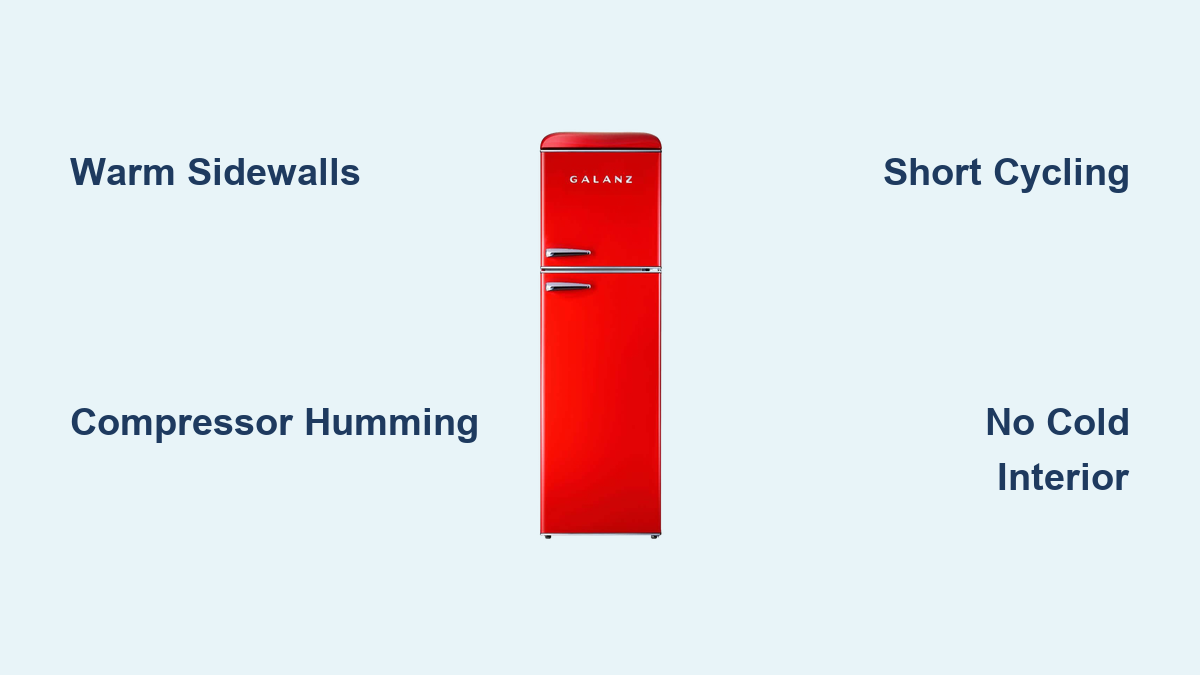
When your Galanz fridge freezer suddenly stops keeping food cold, the disruption to your daily routine can be immediate and frustrating. A 6-month-old unit that was functioning perfectly just days ago now fails to maintain proper temperatures, with interior readings climbing from the ideal -18°C range up to 23°C—temperatures that simply cannot preserve food safely. The exterior sidewalls feel unusually warm to the touch, the compressor makes an odd humming sound, and the unit cycles on for mere seconds before shutting down for extended periods. These interconnected symptoms tell a specific story about what has gone wrong inside your appliance, and understanding that story is the first step toward getting your freezer back in working order.
This guide walks you through the diagnostic process, explains what each symptom reveals about the underlying failure, and outlines the precise steps you should take to resolve the problem—often at no cost through your warranty coverage. By the end of this article, you’ll understand exactly what happened to your Galanz freezer, whether it can be repaired, and how to proceed for the fastest possible resolution.
Recognize Galanz Freezer Failure Signs
The initial symptoms of a failing Galanz upright freezer typically develop in a recognizable pattern that, once identified, points directly to the root cause. Understanding these warning signs helps you diagnose the problem accurately and communicate effectively with warranty service representatives.
The most distinctive early indicator is warmth affecting the exterior sidewalls of the unit. Normally, the outer surfaces of a functioning upright freezer remain at or near room temperature, with any warmth being barely perceptible to the touch. When both sidewalls become notably warm—warm enough that you immediately notice the temperature difference when placing your hand against them—this signals that the sealed refrigeration system inside has stopped functioning properly. The refrigerant that should be circulating through the coils to absorb heat from the interior has either leaked out or stopped moving, meaning the cooling process has effectively ceased.
Simultaneously, you’ll notice that the interior compartment no longer achieves the cold temperatures necessary for food preservation. In the case documented here, recorded temperatures inside the freezer compartment dropped from approximately -27°C down to 23°C—warm readings that indicate the unit is failing to maintain a frozen environment. This temperature rise occurs even though the compressor appears to be running, creating a confusing situation where the appliance seems to be operating but simply isn’t producing cold air.
Pro Tip: Place your hand on both sidewalls for 15 seconds. If they feel significantly warmer than room temperature (like a warm bath rather than lukewarm water), this confirms a sealed system issue rather than a simple thermostat problem.
Diagnose Warm Sidewall Problems

The warm exterior panels provide the clearest diagnostic clue about what’s happening inside your Galanz freezer. In a properly functioning refrigeration system, the refrigerant circulates through a closed loop, changing from liquid to gas as it absorbs heat from the freezer interior and releases that heat through the condenser coils typically located at the back or sides of the unit. This heat transfer process is what makes the sides of a freezer feel warm during normal operation—it’s the condenser releasing the heat that was extracted from inside.
When both sidewalls become unusually warm to the touch, it indicates that the sealed system has developed a failure preventing normal refrigerant circulation. The most common causes are a refrigerant leak that has allowed the coolant to escape, or a compressor that has lost its pumping efficiency and can no longer generate the pressure differential needed to move refrigerant through the system. In both scenarios, the result is identical: the closed loop that should be circulating refrigerant has broken, no cooling is occurring inside the cabinet, and the compressor may continue to run without producing any practical benefit.
This diagnostic observation—unusually warm sidewalls combined with inadequate interior cooling—effectively rules out simpler problems like a faulty thermostat, a blocked air vent, or a malfunctioning fan motor. Those components would produce different symptom patterns. The sidewall warmth specifically points to a sealed system failure that requires professional service intervention.
How to Confirm Refrigerant System Failure
To verify whether your Galanz fridge freezer not working issue involves the refrigerant system, check these critical points:
- Touch the interior back wall: In a working freezer, this should feel extremely cold, with frost or ice buildup. No coldness confirms no heat transfer is occurring
- Inspect refrigerant lines: The line leaving the compressor should be hot, while the return line should be cold. Room-temperature lines on both indicate no refrigerant circulation
- Listen for cycling patterns: Normal operation involves longer compressor runs (5-15 minutes) followed by rest periods. Short 30-second cycles indicate mechanical resistance
Interpret Compressor Noises and Cycling
The compressor is the heart of any refrigerator’s cooling system, and its behavior provides crucial diagnostic information about the health of your Galanz freezer. When you listen to your failing unit, you’re likely to hear a persistent humming sound emanating from the compressor compartment located at the rear bottom of the appliance. This humming indicates that electrical power is successfully reaching the compressor motor and that the motor is attempting to start and operate—electrically, the compressor is receiving the signals it needs to function.
However, the cycling pattern reveals the mechanical problem at play. A properly functioning Galanz freezer compressor should run for extended periods to maintain the set interior temperature, then cycle off once the desired cold is achieved. In the failing unit described here, the compressor runs for approximately 30 seconds before shutting off entirely, then remains off for much longer periods before attempting to start again. This abnormal short-run cycling pattern indicates that the compressor is encountering mechanical resistance or cannot achieve the pressure differential needed for sustained operation.
The humming sound combined with the 30-second run time strongly suggests that the compressor is mechanically attempting to operate but cannot successfully pump refrigerant. When a compressor loses pumping efficiency—whether due to internal wear, mechanical failure, or insufficient refrigerant pressure to create the necessary compression cycle—it will attempt to start, hum briefly as the motor strains against the resistance, and then shut down on its internal thermal overload protection. This cycle repeats each time the thermostat calls for cooling, creating the distinctive short-run pattern that characterizes compressor or sealed system failure.
Verify Insufficient Cooling Symptoms

Beyond the sidewall warmth and compressor behavior, several additional symptoms confirm the sealed system failure diagnosis and help distinguish it from other potential problems. The interior back wall of the freezer compartment, which should be extremely cold to the touch in a functioning unit, fails to register any notable coldness when pressed with your hand. This confirms that no meaningful heat transfer is occurring within the refrigerated space—despite the compressor’s apparent attempts to run, cold is not being generated or maintained.
Touching the refrigerant lines connected to the compressor provides additional confirmation. In a properly operating system, the discharge line leaving the compressor should be hot (carrying compressed refrigerant that has just been heated during compression), while the suction line returning to the compressor should be cold (carrying refrigerant that has absorbed heat from the freezer interior). When these lines are at room temperature with no temperature differential between them, it proves that the compressor is not successfully moving refrigerant through the cycle. The sealed system has effectively stopped functioning.
The recorded temperature drop from -27°C to 23°C represents a critical failure point for food storage. Freezers should maintain temperatures at or below -18°C for safe food preservation, with the typical operating range being between -15°C and -20°C. Interior temperatures in the low 20s Celsius indicate that the freezer is not freezing anything—it may be keeping items slightly cool, but it is absolutely not providing the sub-zero environment necessary to prevent bacterial growth and preserve food quality. Any food currently stored in this failing unit should be considered at risk and moved to alternative storage immediately.
Initiate Warranty Service Claim
Given the sealed system nature of this failure—specifically the compressor or refrigerant system diagnosis—professional repair is the only appropriate course of action. Attempting to repair a sealed system yourself is not advisable, as it requires specialized equipment to safely handle refrigerants and perform compressor replacement. Fortunately, if your Galanz fridge freezer is within its warranty period, this repair may be available at no cost to you.
The Galanz warranty coverage for this type of failure is comprehensive during the first year from the original purchase date. The unit described here was purchased approximately six months prior from a warehouse retail location, placing it squarely within the one-year parts and labor warranty window. This warranty specifically covers sealed system failures that occur through normal operation, including compressor failures and refrigerant leaks that develop without consumer misuse or damage.
To initiate your warranty claim, contact Galanz customer service directly using the contact information provided in your owner’s documentation or on the manufacturer’s website. When calling, have your model and serial number ready—this information can be found on the white manufacturer label typically affixed to the interior wall, ceiling panel, or exterior back surface of the freezer. For this particular unit, the serial number is identified as 23AI08200029333, though your specific model will have its own unique identification number.
When speaking with the warranty representative, clearly describe the symptoms you’ve observed: the warm sidewalls, the inadequate interior cooling, the abnormal compressor cycling, and any other relevant details. This information helps the manufacturer determine the appropriate service response and ensures that your claim is processed efficiently. Once your warranty claim is approved, Galanz will arrange for a factory-authorized service provider to visit your location and perform the necessary repairs or evaluate whether unit replacement is more appropriate.
Schedule Factory-Authorized Repair
After your warranty claim is approved, the next step is scheduling the actual service visit. Galanz works with a network of factory-authorized service providers who are trained specifically on Galanz appliances and equipped to handle sealed system repairs properly. These authorized technicians have access to genuine Galanz replacement parts and the specialized tools required for refrigerant handling and compressor replacement.
When the service technician arrives, they will perform their own diagnostic assessment to confirm the sealed system failure and determine the appropriate repair action. In most compressor failure scenarios, the repair involves replacing the failed compressor with a new unit, evacuating and recharging the sealed system with the correct amount of refrigerant, and testing the system to ensure proper operation. Depending on the specific nature of the failure, additional repairs such as replacing the overload relay or addressing any refrigerant leaks may also be necessary.
The warranty coverage eliminates any out-of-pocket expenses for this service visit. This includes the cost of the diagnostic assessment, any replacement parts needed (including the compressor if required), the labor for the repair work, and the refrigerant required to recharge the sealed system. You should not be asked to pay any portion of these costs provided your unit remains within the warranty period and the failure is determined to be a covered defect.
Prepare for the service visit by ensuring clear access to the back of the freezer where the compressor is located, and by removing any items stored on top of or around the unit that might impede the technician’s work. If possible, note the exact date you first noticed the symptoms and any changes in the unit’s behavior since then—this information can help the technician understand the failure progression.
Maintain Your Galanz Freezer
While the sealed system failure that affected your Galanz freezer was likely a manufacturing defect covered by warranty rather than a maintenance issue, establishing proper ongoing care habits helps ensure optimal performance once your unit is repaired or replaced. Regular maintenance tasks are straightforward and take only minutes but can significantly impact your freezer’s efficiency and longevity.
Keep the condenser coils clean by checking them periodically—typically twice yearly—and removing any dust, pet hair, or debris that has accumulated. For freezers with coils located on the back of the unit, simply vacuum gently along the coil surface. For models with a front or bottom grille, remove the cover according to your owner’s manual instructions and clean the coils using a coil brush or vacuum attachment. Dirty coils force the compressor to work harder, reducing efficiency and potentially shortening the compressor’s operational lifespan.
Ensure proper door sealing by periodically inspecting the door gasket for cracks, tears, or deformation that might allow warm air to enter the freezer compartment. Clean the gasket regularly with mild soap and water, and check that the door closes securely with an even seal all around. A door that doesn’t seal properly forces the compressor to run more frequently to maintain temperature, increasing wear on the system.
Avoid blocking interior air vents inside the freezer, which allow cold air to circulate and maintain consistent temperatures throughout the compartment. Proper air circulation is essential for even cooling, and blocked vents can create warm spots where food may not freeze properly. Additionally, allow hot foods to cool before placing them in the freezer, as introducing warm items raises the internal temperature and forces the compressor to work harder to restore proper freezing conditions.
Key Takeaways for Galanz Freezer Owners
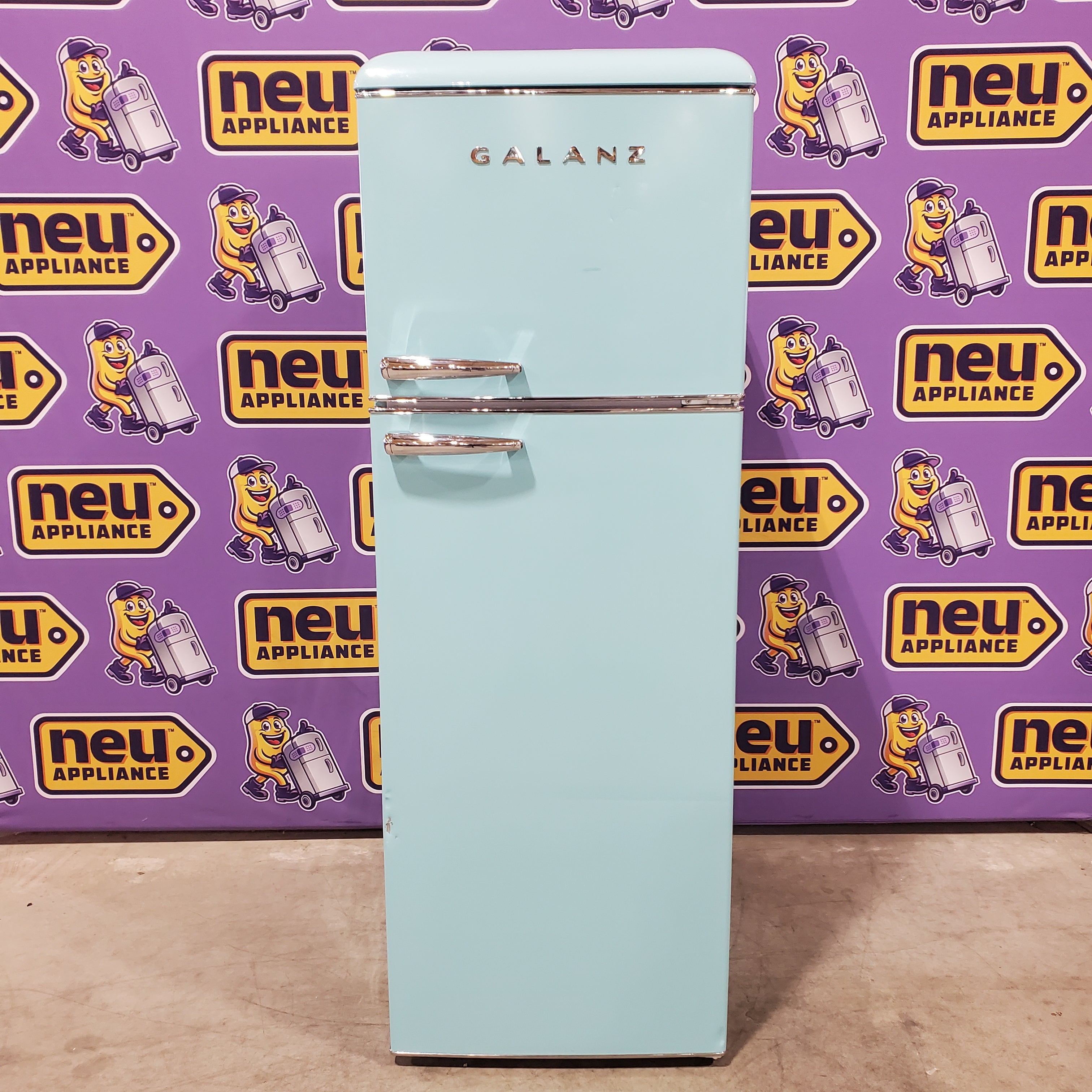
When your Galanz fridge freezer stops working, the combination of warm exterior sidewalls, inadequate interior cooling, and abnormal compressor cycling points directly to a sealed system failure requiring professional service. This type of failure—typically involving the compressor or refrigerant system—cannot be resolved through consumer-level troubleshooting or component replacement and necessitates factory-authorized repair.
If your unit is within the first year of ownership, your Galanz warranty covers the complete cost of diagnosis and repair, including parts and labor. Contact customer service promptly with your model and serial number to initiate the warranty claim process. The repair process itself involves replacing the failed compressor and recharging the sealed system with refrigerant, restoring your freezer to proper working condition without any expense to you.
In the meantime, transfer any perishable food to alternative storage to prevent spoilage, and avoid attempting to operate the failing unit extensively, as the abnormal cycling pattern places additional stress on the compressor and electrical components. Once your freezer is repaired, implementing regular maintenance practices will help ensure reliable performance for years to come.