Freezer Making Sizzling Noise? Quick Fix Tips
That strange sizzling or hissing sound coming from your freezer can be unsettling, especially if you’ve never heard it before. You’re not imagining things—freezers do make sounds, and one of the most common (and often misunderstood) is a sizzling noise that typically occurs during the appliance’s automatic defrost cycle. The good news is that in most cases, this sound is completely normal and indicates your freezer is functioning as designed. Understanding why your freezer makes a sizzling noise helps you distinguish between routine operation and genuine problems that require attention.
This guide breaks down the science behind freezer sizzling sounds, explains how defrost cycles work, and provides clear criteria for determining whether your appliance needs professional service or just some routine maintenance. By the end, you’ll know exactly what to listen for, when to worry, and how to keep your freezer running quietly and efficiently.
Why Your Freezer Sizzles During Defrost
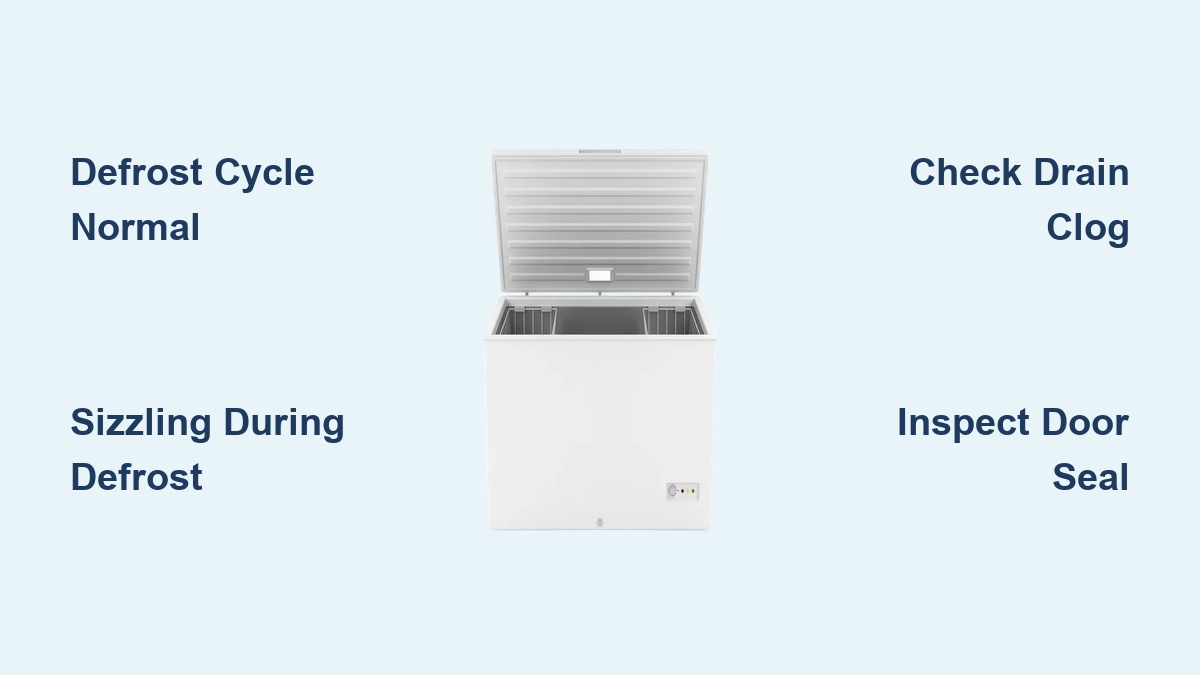
The primary cause of sizzling noises in freezers is water dripping onto the hot defrost heater during the automatic defrost cycle. This process is entirely normal and represents how modern freezers maintain optimal performance without manual intervention. When frost builds up on the evaporator coils inside the freezer compartment, the appliance’s control system periodically activates a heating element to melt the frost away. As the water from the melted frost drips onto this heated surface, it evaporates instantly, producing the distinctive sizzling or hissing sound that many freezer owners hear.
This sizzling noise is essentially the sound of water meeting heat—a phenomenon you might recognize from similar contexts like water hitting a hot pan on the stove. The sound typically lasts for several minutes during each defrost cycle and may occur multiple times throughout the day, depending on how often the freezer door opens and closes and how much humidity enters the compartment. Most manufacturers design defrost cycles to activate every 8 to 12 hours, though this interval can vary based on the unit’s frost accumulation rate and the specific design of the defrost system.
Normal Defrost Cycle Operation
The automatic defrost cycle is a scheduled process that runs independently of when you open the freezer door. Unlike cooling cycles, which operate continuously to maintain temperature, defrost cycles are controlled by a timer or electronic board that determines when sufficient frost has accumulated to require removal. When the cycle activates, the compressor typically shuts off while the defrost heater turns on, allowing the coils to warm up and melt any ice buildup without continuing to cool the compartment during that brief period.
You may notice that the sizzling sound seems unpredictable—that’s because the defrost timer operates on its own schedule rather than responding to your usage patterns. Some homeowners are surprised to discover that their freezer defrosts while they’re asleep or away from home, which is precisely when the sound might seem most noticeable due to lower ambient noise levels in the house. The duration of the sizzling sound corresponds directly to how much frost needs to be melted, which can vary from cycle to cycle based on recent door openings and the humidity content of the air that entered during those openings.
Water Contact with the Heating Element
The defrost heater is typically a metal coil or heating element mounted near or around the evaporator coils inside your freezer. When frost melts, the water runs down the coils and onto this heated surface. The physics behind the sizzling sound is straightforward: water droplets hitting a surface that’s hot enough to vaporize them almost instantly create steam and bubbling sounds as the liquid transitions to gas. This rapid phase change is what produces the characteristic sizzle or hiss that many people describe as similar to sizzling bacon or water on a hot grill.
The location of the heater relative to the coils means that the water doesn’t just drip past the heating element—it actively contacts it, creating the perfect conditions for that distinctive sound. In some freezer designs, the heater is positioned directly beneath the coils so that melting frostwater must pass over or through the heated area before draining away. This intentional design ensures thorough melting and proper water drainage, but it also guarantees that you’ll hear the sizzling sound each time the defrost cycle runs.
Identifying Freezer Sounds: Normal Versus Concerning
Learning to distinguish between normal operational sounds and warning signs of problems is an invaluable skill for any freezer owner. The sizzling noise from defrost cycles has specific characteristics that, once you recognize them, make identification straightforward. Knowing what to listen for helps you respond appropriately—whether that means simply ignoring a normal sound or calling a technician before a small problem becomes expensive.
Characteristics of Normal Sizzling Sounds
A normal defrost-related sizzling sound has several identifying features that set it apart from problematic noises. The sound is typically described as sizzling, hissing, or a combination of sizzling and dripping, and it occurs in discrete episodes rather than continuously. These episodes last for several minutes at a time and happen intermittently throughout the day, roughly corresponding to the defrost cycle frequency of every 8 to 12 hours. The sound quality is consistent—it shouldn’t be getting louder, changing pitch, or accompanied by other unusual auditory cues.
Perhaps most importantly, a normal sizzling sound doesn’t affect your freezer’s performance. Your appliance should maintain the correct temperature, the door should seal properly, and you shouldn’t notice any excess frost buildup inside the compartment. If the freezer is cooling effectively and the sizzling sound matches the description above, you can confidently categorize it as normal operation requiring no intervention. Many owners find that once they understand the cause, the sound becomes much less concerning—even almost unnoticeable—because they know exactly what they’re hearing.
Sounds That Signal Real Problems
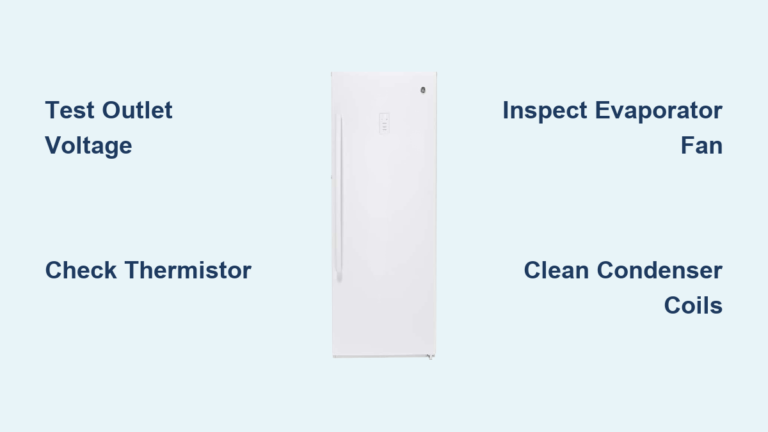
While sizzling during defrost is normal, certain sounds should prompt further investigation or professional service. Continuous loud humming or buzzing that persists outside of the defrost cycle often indicates a problem with the compressor or fan motor—components that should run relatively quietly when functioning properly. Frequent clicking sounds, especially those that occur in rapid succession or prevent the compressor from running, typically point to issues with the defrost timer, start relay, or overload protector.
Grinding, rattling, or banging noises are almost always abnormal and usually indicate mechanical problems such as a failing fan blade, loose components, or debris caught in the system. Any new or unusual sound that wasn’t present when the freezer was new deserves attention, particularly if it’s accompanied by performance issues like temperature fluctuations, visible frost buildup inside the compartment, or the exterior of the freezer becoming unusually warm or hot to the touch. When in doubt, consulting a qualified appliance technician is wiser than waiting and hoping a problem resolves on its own.
How Defrost Cycles Maintain Freezer Performance
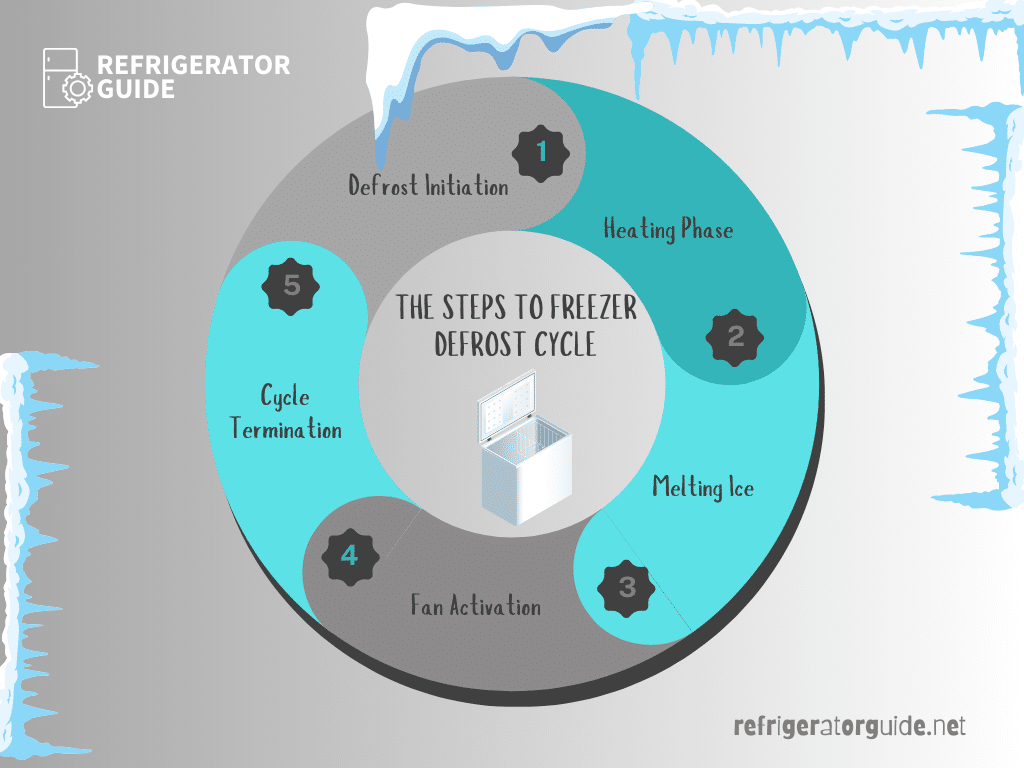
Understanding why freezers have defrost cycles in the first place helps put the sizzling noise in proper context. The defrost system isn’t an optional feature—it’s an essential component that keeps your freezer operating efficiently and effectively over time. Without automatic defrost, frost would accumulate on the evaporator coils until cooling performance degraded significantly, leading to higher energy consumption, longer run times, and potentially spoiled food.
Why Frost Accumulates in Freezers
Frost forms in freezers through several natural mechanisms that are impossible to completely eliminate. Every time you open the freezer door, warm humid air from your kitchen rushes in and meets the cold interior surfaces. The moisture in that air condenses and freezes on the coldest surfaces—typically the evaporator coils and the walls near them. Placing warm or hot food items in the freezer introduces additional moisture that accelerates frost formation, as does any damage to the door seal that allows warm air to infiltrate even when the door is closed.
Even a perfectly sealed freezer with cold food already inside will gradually accumulate frost simply because the air inside contains some moisture, and that moisture condenses and freezes over time. The rate of accumulation depends on factors like the humidity level in your home, how often the door is opened, and how long the door remains open during each access. This is why newer freezers with better insulation and more precise temperature control may develop frost more slowly than older models—less warm air enters, and the interior temperature stays more stable.
Purpose of Automatic Defrost Systems
Automatic defrost systems serve multiple critical functions in maintaining freezer performance and longevity. First and most importantly, they prevent excessive frost insulation on the evaporator coils. Even a thin layer of frost acts as an insulator that reduces the coils’ ability to absorb heat from the freezer compartment, forcing the compressor to work harder and run longer to maintain the set temperature. This increases energy consumption and accelerates wear on the compressor and other components.
Beyond efficiency, the defrost system ensures consistent temperatures throughout the freezer compartment. Excessive frost can create cold spots, interfere with air circulation, and even affect how the door seals against the cabinet. By periodically removing frost buildup, the defrost system helps your freezer maintain the uniform cold environment necessary for proper food preservation. The slight temperature rise during the defrost cycle is brief enough to not affect frozen foods significantly, while the overall system benefits from improved efficiency once the cycle completes and cooling resumes with clean, frost-free coils.
When Sizzling Indicates Problems
Although the sizzling sound during defrost is typically normal, there are circumstances where what sounds like sizzling might actually indicate a problem requiring attention. Knowing the difference between these scenarios helps you respond appropriately—addressing real issues promptly while avoiding unnecessary service calls for normal operation.
Signs Your Freezer Needs Service
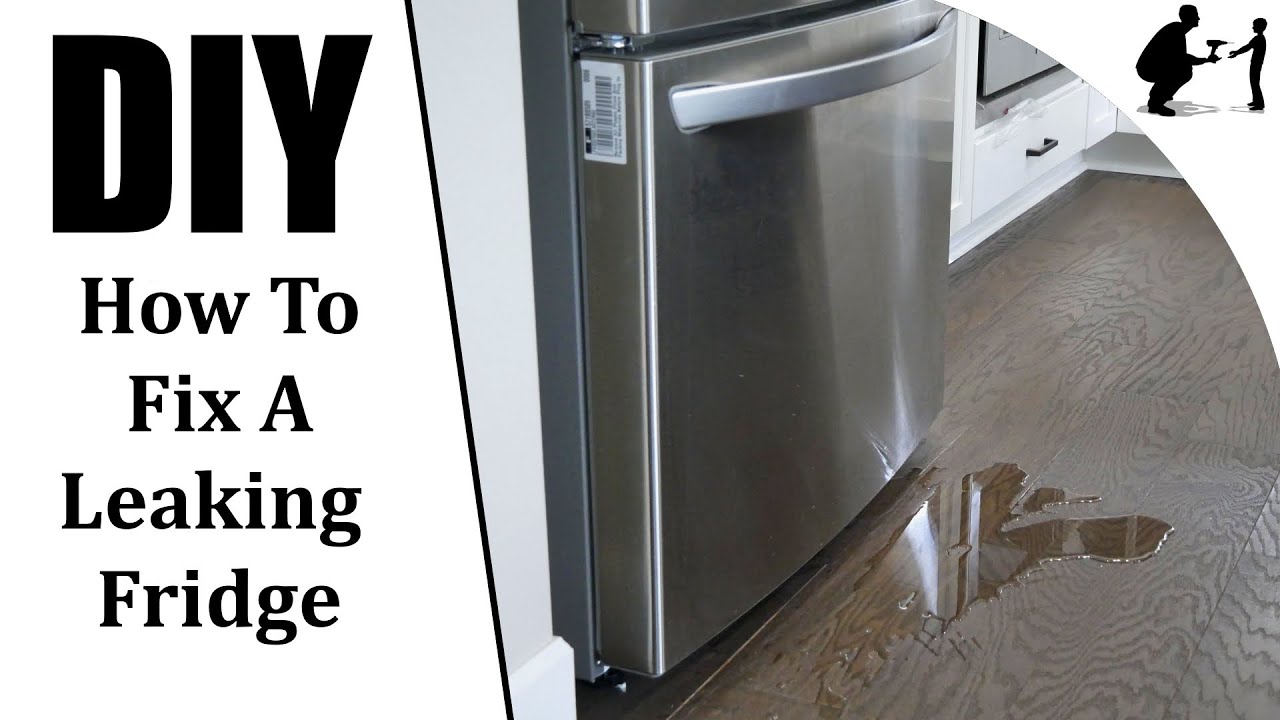
Several indicators suggest that a sizzling or similar sound is symptomatic of an actual problem rather than routine defrost operation. If the sizzling sound is accompanied by visible water pooling inside or around the freezer, this might indicate a clogged drain or improper drainage during the defrost cycle. While some water dripping during defrost is normal, excessive water or water that doesn’t drain properly can lead to ice buildup elsewhere in the system or even water damage to your flooring.
A change in the character or frequency of sizzling sounds also warrants investigation. If the sound suddenly becomes much louder, lasts significantly longer than usual, or occurs far more frequently than the typical 8-12 hour defrost cycle, something may have changed in the system. Similarly, if your freezer starts making sizzling sounds that weren’t present when it was new—particularly if the unit is more than a few years old—this could indicate wear, damage, or component degradation. Any accompanying performance issues like temperature fluctuations, visible ice buildup on the interior walls, or the exterior of the freezer becoming unusually warm should be addressed by a qualified technician.
Basic Troubleshooting Steps
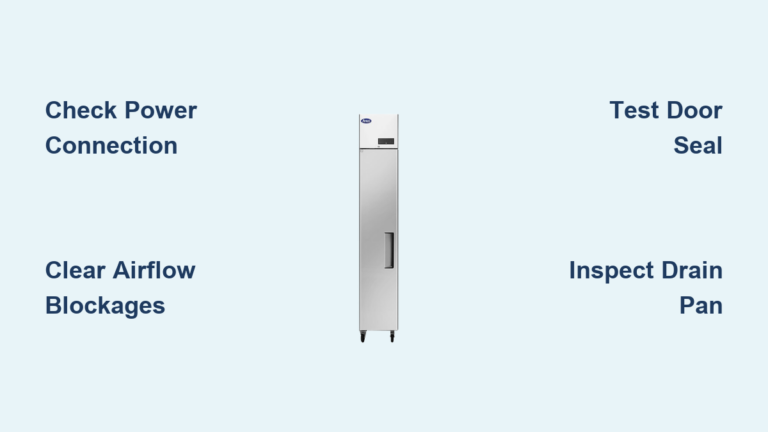
Before calling a professional, there are several things you can check to determine whether a sizzling sound indicates a problem or simply normal operation. First, listen carefully to determine if the sound occurs during a predictable interval—this helps confirm it’s related to the defrost cycle rather than a continuously running component. You can also check the temperature setting and ensure it’s appropriate for your usage patterns, as incorrect settings can sometimes cause abnormal frost accumulation and overly long defrost cycles.
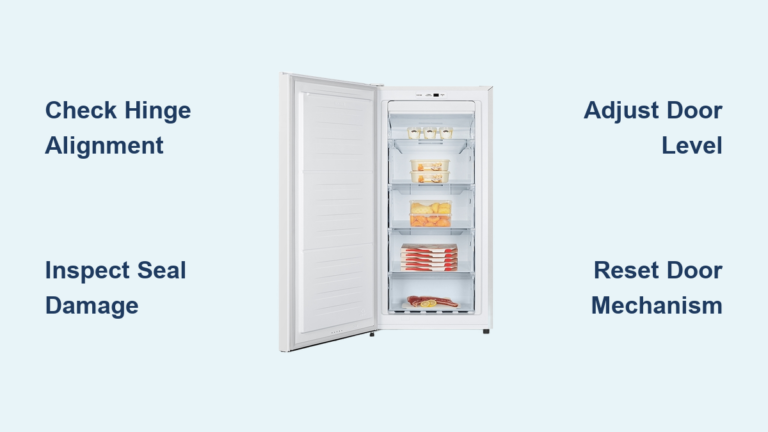
Inspect the door seal for damage or debris that might prevent a proper seal, as this is a common cause of excessive frost buildup. A simple visual inspection of the seal’s condition, along with the dollar bill test (checking how easily a dollar bill pulls out when placed in the closed door), can reveal seal problems. Additionally, make sure you’re not leaving the door open longer than necessary and that you’re allowing hot foods to cool before placing them in the freezer—both practices reduce moisture introduction and can minimize frost accumulation. If these basic checks don’t reveal any issues and the sizzling sound continues to concern you, or if you’ve noticed performance changes alongside the sound, it’s time to consult an appliance repair professional.
A freezer making a sizzling noise during operation is experiencing one of the most common and harmless sounds in modern refrigeration—the sound of normal defrost cycle activity. Water dripping onto the heated defrost element produces that distinctive sizzle, and this process is essential for maintaining your freezer’s cooling efficiency and preventing problematic ice buildup. Understanding this normal operation eliminates unnecessary concern while helping you identify the signs of genuine problems when they occur.
By learning your freezer’s normal sounds, maintaining the door seal and interior properly, and responding appropriately to any changes in operation, you can enjoy years of reliable, quiet service from your appliance. When in doubt about any unusual sounds, remember that consulting a qualified technician is always the wisest course. Your peace of mind—and the safety of your frozen food—make that investment worthwhile.