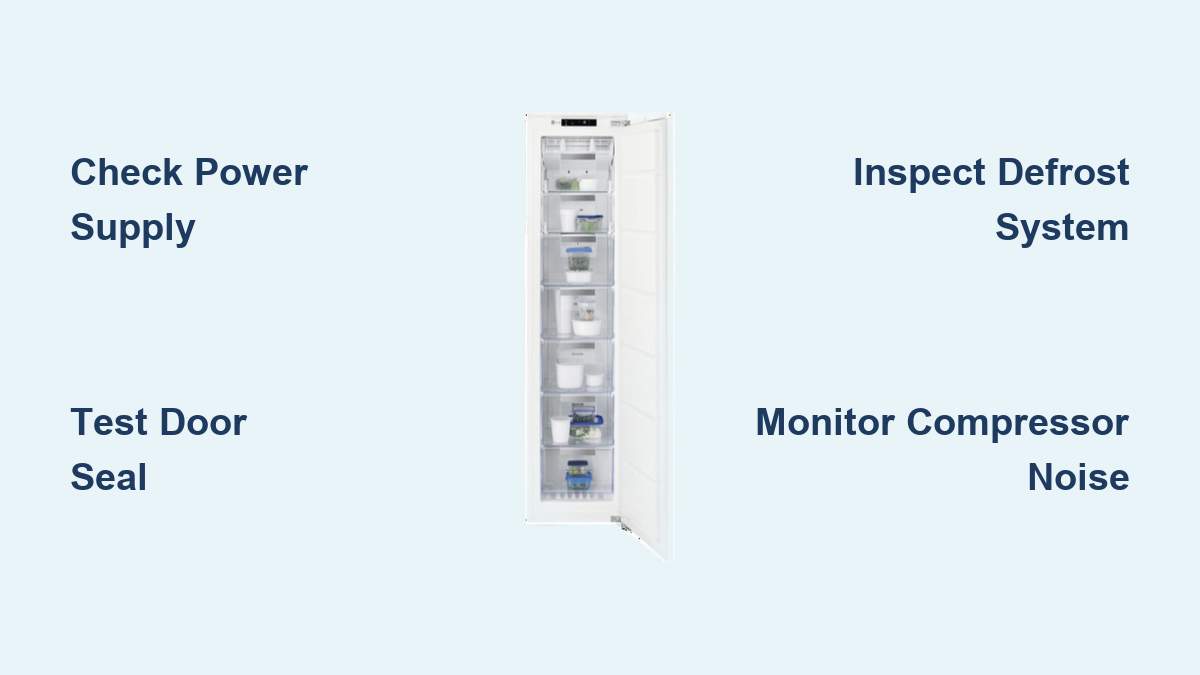
Electrolux Freezer Troubleshooting Guide
Your Electrolux freezer has stopped cooling properly, and you’re staring at a freezer full of thawing food wondering what went wrong. Before panic sets in, most freezer problems have straightforward solutions you can diagnose and often fix yourself. This comprehensive Electrolux freezer troubleshooting guide walks you through the most common issues, from simple power checks to defrost system diagnostics, helping you restore your freezer’s performance and save potentially expensive service calls.
Freezer malfunction ranks among the most stressful appliance problems because of the food at stake and the potential cost of replacement or repair. However, many issues that seem serious are actually caused by simple problems like tripped breakers, blocked vents, or failing door seals. By systematically working through this troubleshooting guide, you can identify the culprit and determine whether a DIY fix is feasible or professional service is required.
How to Verify Your Electrolux Freezer Has Proper Power
Electrical power problems represent the single most common cause of apparent freezer failures, yet they’re frequently overlooked during troubleshooting. Before examining any internal components, verify that your freezer is receiving proper power through a systematic electrical inspection.
Begin by examining the control panel for any indicator lights or display readings. Modern Electrolux freezers feature status indicators that confirm when the unit is receiving electricity. If no lights illuminate and the interior lamp doesn’t turn on when you open the door, the freezer is not receiving power. This doesn’t necessarily mean the appliance is broken—often, the solution involves a simple electrical fix rather than an expensive repair.
Confirm that the power cord is securely plugged into the wall outlet, as cords can work loose during cleaning or when items are moved behind the freezer. Check for any visible damage to the cord including cuts, fraying, or melted sections that might indicate an electrical problem. If the cord shows any signs of damage, do not use the freezer until a qualified technician replaces it.
Examine the wall outlet by plugging in a different device like a lamp or phone charger to verify the outlet is functioning. If the test device doesn’t work, you’ve likely found the problem. Check your home’s electrical panel for tripped circuit breakers or blown fuses, particularly after any recent electrical storms or power fluctuations in your neighborhood. Reset any tripped breakers by flipping them fully off and then firmly back on.
Avoid plugging your Electrolux freezer into a Ground Fault Interrupter (GFI) outlet if possible, as these sensitive outlets can trip without obvious signs and interrupt freezer operation. GFI outlets are designed to detect ground faults and shut off power quickly, which is beneficial for bathroom and kitchen outlets but problematic for appliances that need continuous power. If your freezer must use a GFI outlet, ensure it is labeled clearly so household members understand not to reset it without consideration.
After power restoration, allow approximately 24 hours for the freezer temperature to stabilize. During this period, avoid opening the door unnecessarily to help the system reach optimal cooling capacity. If temperatures don’t normalize after 24 hours, proceed with additional troubleshooting steps.
Fix Incorrect Temperature Readings on Electrolux Freezers

Incorrect temperature settings frequently cause apparent cooling failures, and verifying these settings should occur early in your troubleshooting process. The factory-suggested setting for Electrolux freezers is 0°F (-18°C), which provides optimal food preservation while allowing the unit to cycle efficiently. However, settings between -6°F (-21°C) and 6°F (-14°C) fall within the acceptable operating range depending on your specific needs and usage patterns.
Locate your freezer’s temperature control, typically found inside the cabinet, on the exterior panel, or integrated into the control interface depending on your model. Ensure the control is set to the ON position rather than accidentally turned to OFF or a warmer setting. Some models use a dial with numbers, while others use digital controls with exact temperature displays. If your model displays temperatures, verify the reading matches your expectations.
A particularly tricky situation involves temperature display discrepancies. Some Electrolux freezer owners report scenarios where the display shows 0°F but internal measurements using a separate thermometer reveal significantly higher temperatures around 17°F. This type of inconsistency often indicates a failing defrost thermostat rather than an actual temperature problem. In documented cases involving Electrolux model EI26SS30JS4, this combination of symptoms pointed directly to a defrost thermostat requiring replacement (part number 5303918214).
If you suspect your temperature display is inaccurate, place a separate thermometer in a cup of water inside the freezer and wait 24 hours before checking the reading. This method provides a more accurate measurement of actual food temperature than the unit’s display sensor. Compare this reading to your temperature setting and adjust accordingly, or proceed with defrost system diagnostics if discrepancies persist.
Test and Repair Damaged Electrolux Freezer Door Seals
The door seal, also called the gasket, creates the critical barrier between the warm room air and the cold freezer interior. When this seal fails, the freezer cannot maintain temperature regardless of how well the refrigeration system functions. A compromised seal forces the compressor to work harder, potentially leading to premature failure while allowing frost to accumulate and food quality to degrade.
Test your door seal using a simple dollar bill technique that requires no tools. Close the door on a dollar bill positioned where the seal contacts the cabinet, then attempt to pull the bill out gently. You should feel resistance as the magnetic seal grips the bill. If the bill slides out easily or falls out on its own, your seal lacks the necessary tension to create an airtight closure. Test several points around the door perimeter, as seals can wear unevenly with some sections remaining functional while others fail.
Inspect the seal visually for any tears, cracks, deformation, or accumulated debris. Clean the gasket regularly with warm soapy water to remove food residue, dust, and other buildup that prevents proper sealing. Over time, door seals lose flexibility and may develop gaps even when structurally intact. If cleaning doesn’t improve the seal’s performance or visible damage exists, replacement is necessary.
Door closing problems extend beyond seal integrity and require systematic investigation. Misalignment from rough handling or improper installation can prevent the door from contacting the seal evenly. Uneven flooring or improper positioning during installation may prevent complete closure. Check that nothing inside the freezer is blocking the door from closing, including items placed too close to the hinge side or contents that have shifted and created an obstruction.
Diagnose and Fix Frost Buildup on Electrolux Freezer Evaporator Coils
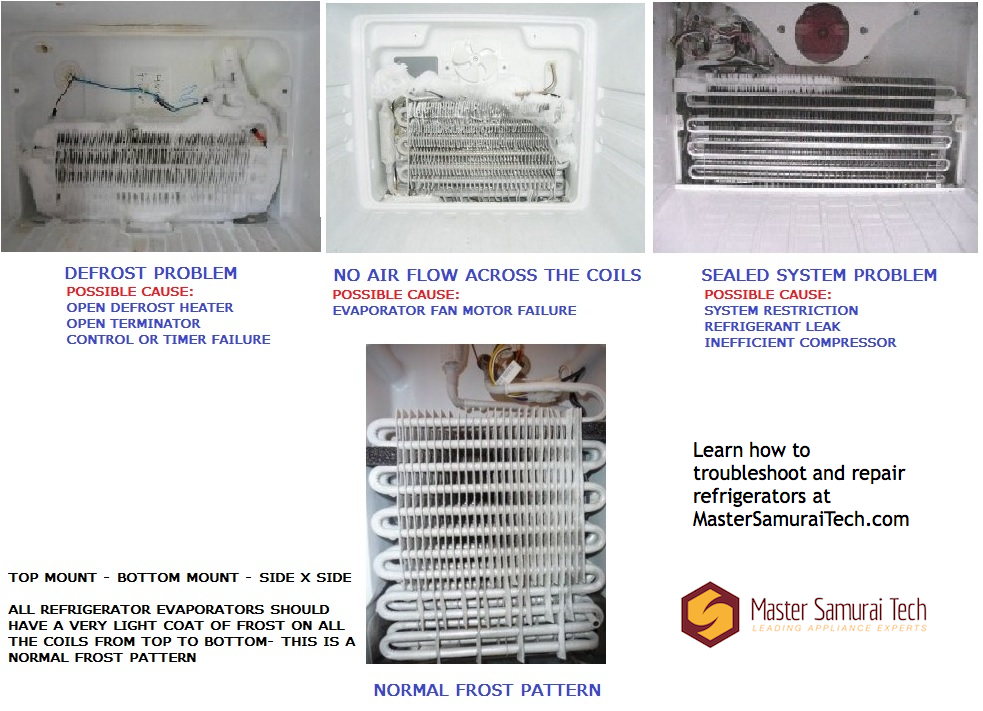
The defrost system prevents ice from accumulating on the evaporator coil, and when this system fails, frost builds up progressively until cooling becomes impossible. Understanding the defrost system’s components and failure modes helps you diagnose problems accurately and determine whether professional service is required.
The defrost system operates automatically through a cycle involving several key components. The defrost heater melts frost accumulation during regular defrost cycles, while the defrost thermostat monitors coil temperature and signals when heating is needed. The defrost timer or control board regulates cycle frequency and duration. When any component fails, excessive frost accumulates on the evaporator coil, typically visible on the back wall of the freezer compartment.
Visible frost on the interior walls or around air vents indicates defrost system failure. This frost restricts airflow by creating a barrier between the cooling system and the freezer interior, resulting in elevated temperatures despite extended compressor run times. The compressor may run almost continuously in an unsuccessful attempt to compensate for reduced cooling efficiency.
A failing defrost thermostat is one of the most common culprits behind temperature display discrepancies combined with partial cooling. When the thermostat fails, it may not signal the defrost heater to activate at the proper temperature, allowing excessive frost to accumulate. In the documented case with Electrolux model EI26SS30JS4, replacing part number 5303918214 resolved symptoms that included a temperature display showing 0°F while actual internal temperatures measured 17°F.
The defrost drain can also cause problems when it becomes frozen or clogged. When the drain fails, water accumulates inside the freezer or prevents proper defrost drainage, leading to ice buildup and potential water damage. Common causes include clogged drain tubes from debris or ice, improper unit leveling, excessively low freezer temperatures, broken drain tubes, dirty drain pans, faulty defrost heaters, and airflow obstructions.
Troubleshoot Loud Clicking or Constant Running in Electrolux Freezers
The compressor serves as the heart of your freezer’s cooling system, and various symptoms indicate problems with this component or its supporting electrical parts. Understanding compressor-related symptoms helps you distinguish between issues you can fix and those requiring professional service.
A clicking sound often indicates the compressor attempting to start but failing. This symptom typically stems from a faulty start relay, failed capacitor, or compressor motor issues. Before concluding the compressor has failed, check the power supply and outlet functionality, then inspect the start components. Older freezers may experience compressor failure due to normal wear, and the decision between repair and replacement depends on the unit’s age and repair costs.
A freezer that runs constantly without cycling off may have a faulty thermostat or temperature sensor that fails to signal the compressor to stop when the set temperature is reached. Malfunctioning defrost heaters or thermostats can also cause continuous operation, as frost accumulation on the coils reduces cooling efficiency and forces extended compressor run times. The solution involves addressing the underlying cause rather than the symptom.
Normal operating sounds include compressor hum, fan noise, and refrigerant gurgling, all of which indicate the unit is attempting to cool. If the freezer has run continuously for 24 hours without achieving proper cooling temperatures despite correct settings and adequate power supply, internal component failure is likely and professional service is warranted. Compressor replacement, major electrical component failures, and sealed system problems including refrigerant leaks should only be addressed by qualified technicians with appropriate tools and training.
Recognize When Your Electrolux Freezer Needs Professional Service
Certain situations require professional diagnosis and repair rather than DIY troubleshooting. Recognizing these scenarios saves time, prevents potential injury, and avoids causing additional damage to your freezer.
Units installed within the past 30 days should be referred to the original installer for assessment, as installation errors rather than equipment failures often cause early problems. Installation issues including improper leveling, inadequate ventilation, or electrical connection problems typically manifest shortly after installation and should be addressed by whoever performed the installation.
For units installed more than 30 days ago, contacting the manufacturer or authorized service provider schedules professional evaluation. These technicians have access to technical documentation, specialized tools, and genuine replacement parts specific to your model. They can accurately diagnose problems and perform repairs safely.
If the unit has run continuously for 24 hours without achieving proper cooling despite correct settings and adequate power supply, internal component failure is likely and professional service is warranted. This symptom indicates the refrigeration system cannot achieve cooling regardless of runtime, pointing to failed internal components.
Compressor replacement, major electrical component failures, and sealed system problems including refrigerant leaks should only be addressed by qualified technicians with appropriate tools and training. These repairs require specialized equipment to handle refrigerants safely and precise procedures to ensure proper system function. Attempting these repairs without proper training can result in injury, further damage, or voided warranties.
Prevent Future Electrolux Freezer Failures with These Maintenance Tips
Regular maintenance extends your freezer’s lifespan and prevents the common problems that lead to cooling failures. Implementing a maintenance routine takes minimal time but provides significant protection for your investment and the food stored inside.
Clean condenser coils periodically, with frequency depending on your environment. Dusty households or homes with pets benefit from more frequent cleaning, while cleaner environments may require less attention. Use a coil brush or vacuum with a brush attachment to remove accumulated debris gently. Schedule coil cleaning as part of your seasonal cleaning routine or when you notice the exterior cabinet feeling warmer than normal.
Inspect the door seal monthly for damage and clean it regularly with warm soapy water to maintain flexibility and sealing capability. A well-maintained seal prevents the air leaks that cause most frosting and cooling problems. Replace the seal when you notice permanent deformation, tears, or when the dollar bill test consistently fails despite cleaning.
Ensure the freezer remains level to guarantee proper door closing and defrost drainage. Use a level to check positioning and adjust the leveling feet as needed. An unlevel freezer prevents the defrost drain from functioning properly and may cause door closing problems.
Keep the freezer adequately stocked but not overloaded. Some thermal mass helps maintain stable temperatures during door openings, while overloading restricts airflow and creates circulation problems. A well-organized freezer with space between items allows proper air circulation and makes it easier to find items without leaving the door open unnecessarily.
By following this Electrolux freezer troubleshooting guide systematically, you can diagnose most cooling problems accurately and determine whether DIY repair is feasible or professional service is required. Regular maintenance and prompt attention to early symptoms prevent minor issues from becoming major failures, extending your freezer’s reliable service life for years to come.