Best Freezer Temperature for Deep Freeze (2026 Guide)
Your deep freeze freezer stops working properly when temperatures rise above critical thresholds, causing food spoilage and potential health risks. Understanding the precise deep freeze freezer temperature requirements protects your food investment and ensures optimal preservation. Most consumers don’t realize that deep freeze units operate at significantly colder temperatures than standard freezers, typically maintaining ranges between -10°F to -30°F (-23°C to -34°C). This ultra-low temperature zone dramatically extends food storage life while preserving quality far better than conventional freezer settings. Whether you’re storing seasonal harvests, expensive cuts of meat, or specialty foods, getting the deep freeze freezer temperature right means the difference between perfectly preserved food and costly waste.
Why Deep Freeze Temperatures Differ From Standard Freezers
The Science Behind Ultra-Low Temperature Preservation
Deep freeze freezers create smaller ice crystals in food through rapid freezing at extreme temperatures. At -18°C (0°F) or lower, water molecules form microscopic crystals that cause minimal cellular damage compared to the larger crystals formed in standard freezers. This scientific principle explains why deep freeze units preserve texture, flavor, and nutritional value significantly better than conventional freezers operating at -5°F to 5°F. The accelerated freezing process locks in freshness by slowing molecular movement almost to a halt, making deep freeze temperatures essential for long-term food storage without quality degradation.
Critical Temperature Thresholds for Food Safety
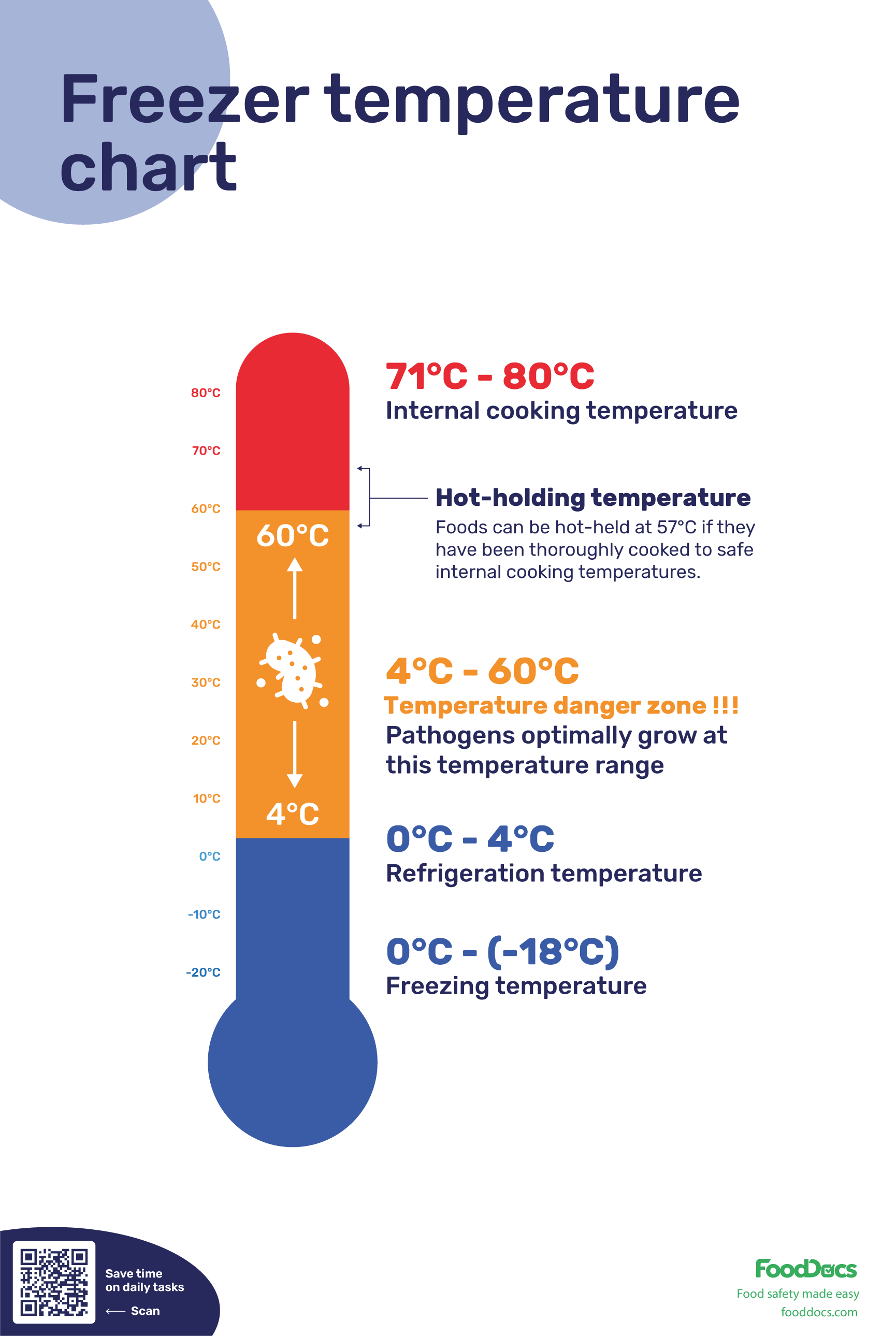
Your deep freeze must consistently maintain temperatures at or below 0°F (-18°C) to prevent bacterial growth and ensure food safety. Temperatures above this critical threshold allow harmful bacteria to multiply during storage. The USDA mandates this 0°F standard for all frozen food storage, but deep freeze units typically operate 10-20 degrees colder for premium preservation. Meats stored at -10°F to -15°F remain safe for 12-18 months compared to just 8-12 months at standard 0°F settings. Seafood, particularly fatty fish prone to rancidity, requires even colder temperatures around -25°F (-32°C) for optimal quality retention during extended storage.
Adjusting Deep Freeze Temperature for Specific Food Types
Meat and Protein Storage Temperature Requirements
Set your deep freeze to -10°F for optimal meat preservation when storing valuable cuts for extended periods. Whole cuts maintain quality for 12 months at this temperature, while ground meats stay fresh for 6-8 months. Game meats like venison benefit from even colder settings of -15°F to -20°F, extending safe storage to 18 months without quality loss. Never store raw meat above 0°F if planning storage beyond 3 months, as texture deterioration and freezer burn become significant issues.
Ice Cream and Frozen Dessert Temperature Optimization
Prevent ice crystal formation in premium ice cream by setting your deep freeze to -20°F. Standard freezer temperatures cause the dreaded graininess that ruins texture, while deeper freezing preserves smooth consistency. Commercial ice cream manufacturers store products at -25°F during distribution to maintain quality. When storing homemade ice cream, wrap containers in plastic wrap directly against the surface before sealing to prevent air exposure, then set your deep freeze temperature to -20°F for best results.
Accurate Deep Freeze Temperature Monitoring Techniques

Choosing the Right Thermometer for Extreme Cold
Standard refrigerator thermometers fail in deep freeze conditions, so select a specialized appliance thermometer rated for temperatures below -30°F. Digital probe thermometers with remote displays provide the most accurate readings without opening the freezer door. Place your thermometer in the center of the unit, away from walls where temperature differs from the air space. Avoid hanging thermometers on shelves as movement affects accuracy—secure them in a stationary position for reliable readings.
Establishing an Effective Temperature Check Routine
Check your deep freeze temperature every Monday morning and record readings in a logbook. This weekly monitoring detects gradual temperature drift before it causes problems. During power outages, keep the door closed—full deep freeze units maintain safe temperatures for 48-72 hours while empty units warm to dangerous levels within 24 hours. Install a wireless temperature alarm that sends smartphone notifications when temperatures rise above -10°F, protecting valuable contents from spoilage during your absence.
Fixing Common Deep Freeze Temperature Problems
Cleaning Condenser Coils to Restore Cooling Performance
Dirty condenser coils cause 70% of deep freeze temperature issues. Unplug the unit and locate coils typically found on the back or bottom. Use a coil cleaning brush (not a vacuum) to remove dust buildup every 6 months. Blocked coils force the compressor to work harder, preventing your deep freeze from reaching proper temperatures. After cleaning, wait 24 hours before checking temperature stability—most units return to optimal performance within this timeframe if coils were the only issue.
Testing and Replacing Faulty Door Seals
Damaged door seals waste energy and prevent your deep freeze from maintaining proper temperature. Test seal integrity by closing the door on a dollar bill—if you can pull it out easily, replace the gasket immediately. Clean seals monthly with warm water and mild soap to remove debris that prevents tight closure. Most deep freeze gaskets cost $25-$50 and install in 20 minutes with basic tools. A proper seal maintains temperature stability and reduces energy consumption by up to 15%.
Energy-Efficient Deep Freeze Temperature Management
Strategic Placement for Optimal Temperature Stability
Position your deep freeze in a basement or climate-controlled garage rather than next to heat sources like ovens or water heaters. Ambient temperatures above 90°F force compressors to work 30% harder, raising internal temperatures and increasing energy costs. Maintain 3 inches of clearance around the unit for proper air circulation—crowded installations cause temperature fluctuations that compromise food safety. Level the unit with adjustable feet to ensure perfect door sealing, which maintains consistent deep freeze temperatures with less energy expenditure.
Balancing Fullness for Temperature Consistency
A properly filled deep freeze maintains temperature more efficiently than an empty or overcrowded unit. Fill empty spaces with frozen water bottles to provide thermal mass that stabilizes temperature during door openings. Avoid blocking air vents with containers—improper airflow creates warm spots that compromise food safety. Organize items by category and frequency of access to minimize door opening time, which directly impacts your deep freeze’s ability to maintain proper temperature between cycles.
Seasonal Deep Freeze Temperature Adjustments
Summer Heat Wave Protection Strategies
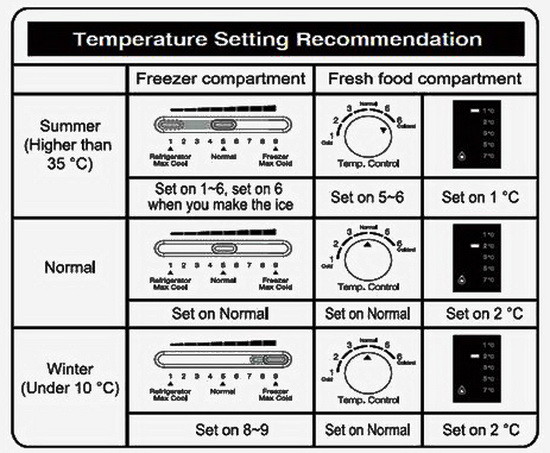
Lower your deep freeze temperature by 5°F during summer months to compensate for higher ambient temperatures. Heat waves above 95°F significantly challenge freezer performance, requiring proactive adjustment. Keep the unit away from direct sunlight and avoid placing hot foods directly inside—cool items to room temperature first to prevent internal temperature spikes. Monitor temperatures twice daily during extreme heat and consider investing in a backup power solution if storing irreplaceable food items.
Winter Temperature Management for Garage Units
Deep freeze units in unheated garages require special attention during winter. When ambient temperatures drop below 0°F, the compressor may not activate frequently enough, causing temperatures to rise above safe levels. Install a heater kit designed for freezer units or relocate valuable contents to an interior location during extreme cold. Never allow deep freeze temperatures to fluctuate above 0°F even in winter conditions—consistent ultra-low temperatures remain essential for food safety regardless of season.
Deep Freeze Temperature Safety Protocols
Food Safety Guidelines for Long-Term Storage
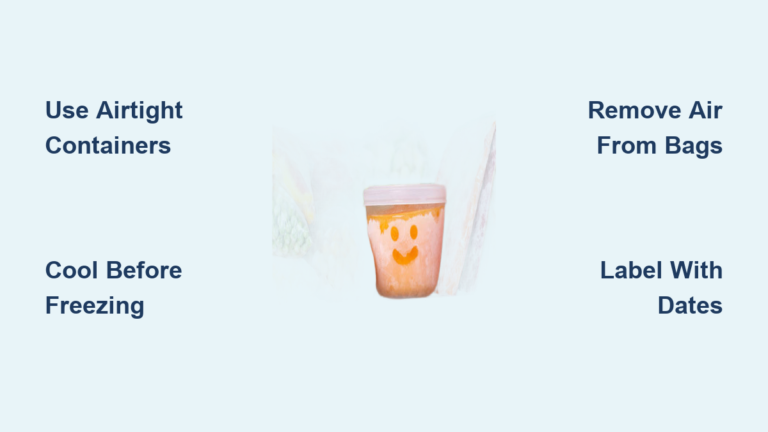
Label all items with contents and freeze dates using waterproof markers. Follow these maximum storage times at proper deep freeze temperatures: ground meats (6-8 months), whole cuts (12-18 months), fatty fish (4-6 months), and vegetables (12 months). Vacuum-seal all items to prevent freezer burn and maintain quality. Never refreeze raw meat that has fully thawed—cook immediately after thawing in the refrigerator or under cold running water.
Emergency Response for Temperature Excursions
Create an emergency plan for temperature spikes above 0°F. Keep a cooler with ice packs ready to transfer valuable items if temperatures rise. Document temperatures hourly during recovery periods—most food remains safe if temperatures stay below 40°F for less than 4 hours. Discard any food showing signs of thawing or temperature damage—when in doubt, throw it out. Install a battery backup for digital temperature monitors to maintain visibility during power outages.
Quick Reference Temperature Guide
| Food Type | Ideal Deep Freeze Temperature | Maximum Storage Time |
|---|---|---|
| Ground Meat | -10°F to -15°F | 6-8 months |
| Whole Cuts | -10°F | 12-18 months |
| Fatty Fish | -25°F | 4-6 months |
| Ice Cream | -20°F | 2-4 months |
| Vegetables | -10°F | 12 months |
| Baked Goods | -10°F | 6 months |
Maintaining precise deep freeze freezer temperature protects your food investment and ensures safety through every season. Regular monitoring, seasonal adjustments, and prompt attention to temperature fluctuations keep your deep freeze performing reliably for years. When storing valuable or irreplaceable items, invest in professional-grade monitoring equipment that provides real-time alerts. Remember that slightly colder temperatures prevent spoilage with only marginal energy increases—when in doubt, set your deep freeze 5°F colder rather than risking food safety. Proper temperature management transforms your deep freeze from a simple appliance into a reliable preservation system that delivers quality results every time.