Chest Freezer Wattage Guide
You’re standing in the appliance aisle, comparing chest freezers, when you notice a sticker with confusing numbers: 150W, 1.25A, 120V. What do these figures mean for your electricity bill and home electrical system? Understanding chest freezer watts isn’t just technical jargon—it directly impacts your monthly energy costs and determines whether your home circuit can safely handle the appliance. Most homeowners discover too late that their basement circuit can’t support their new 7-cubic-foot freezer, causing frequent breaker trips. This guide reveals exactly how many watts chest freezers typically consume, how to calculate your specific energy costs, and what to look for when selecting an energy-efficient model that won’t overload your electrical system.
How Many Watts Does a Standard Chest Freezer Use?
Chest freezers typically consume between 80 and 200 watts during normal operation, but this number fluctuates significantly based on several factors. When the compressor first kicks on—a process called startup or surge wattage—the power draw can spike to 2-3 times the running wattage for a few seconds. A standard 5-7 cubic foot chest freezer usually runs at approximately 100-150 watts when the compressor is actively cooling, but drops to near zero when maintaining temperature. Larger models (10+ cubic feet) often operate in the 150-250 watt range during cooling cycles. The key to understanding your actual energy consumption lies in recognizing that freezers don’t run continuously—they cycle on and off throughout the day based on thermostat settings and ambient temperature.
Why Wattage Fluctuates Throughout the Day
Your chest freezer’s wattage isn’t constant—it changes based on multiple conditions. When the interior temperature rises above the set point (typically around 0°F), the compressor activates and draws full power. Once the desired temperature is reached, the compressor shuts off, reducing power consumption to just the control panel and interior light (about 5-10 watts). Several factors affect how often and how long your freezer runs:
- Ambient room temperature: Freezers in unconditioned garages during summer work harder, running 60-70% of the time versus 30-40% in climate-controlled spaces
- Frequency of door openings: Each time you open the lid, cold air escapes and warm, moist air enters, forcing the compressor to run longer
- Defrost cycle: Manual defrost models run more consistently, while frost-free models have periodic defrost cycles that temporarily increase energy use
- Age and maintenance: Older units with dirty condenser coils or worn door gaskets can use 15-25% more energy
Calculating Daily Energy Consumption
To determine your actual energy usage, you need to convert watts to kilowatt-hours (kWh), which is what your utility company charges you for. Multiply the running wattage by the number of hours the compressor runs daily, then divide by 1,000. For example, a 120-watt freezer running 8 hours per day consumes 0.96 kWh daily (120W × 8h ÷ 1,000 = 0.96 kWh). Most ENERGY STAR certified chest freezers use between 200-400 kWh annually, translating to $25-$50 per year at average electricity rates. Newer models often include an estimated yearly kWh rating on the yellow EnergyGuide label—this is more reliable than calculating from wattage alone since it accounts for typical usage patterns.
Chest Freezer Wattage vs. Amperage: What Matters for Your Electrical System
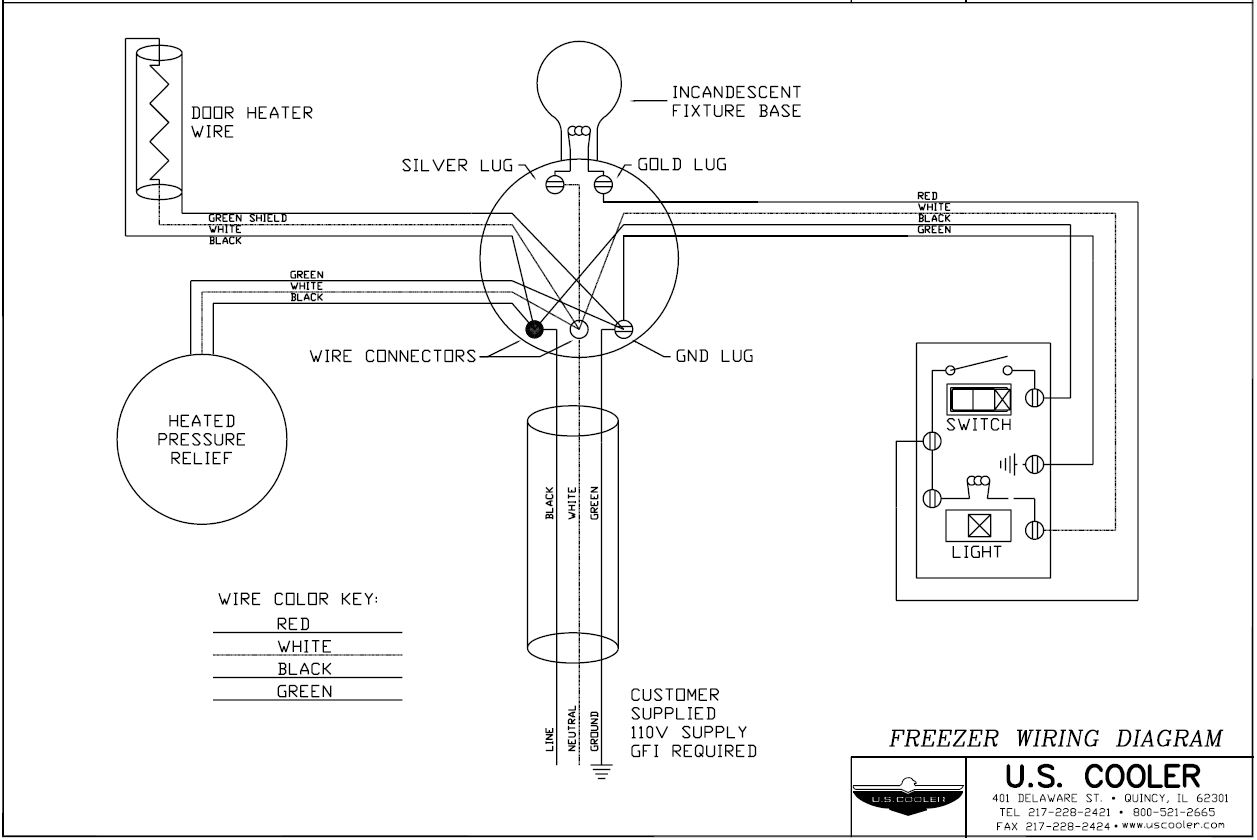
While wattage tells you about energy consumption and operating costs, amperage determines your electrical circuit requirements. To convert between watts and amps, use the formula: Amps = Watts ÷ Volts. In standard U.S. households (120 volts), a 150-watt chest freezer draws approximately 1.25 amps during normal operation (150W ÷ 120V = 1.25A). However, the startup surge can briefly draw 3-4 amps as the compressor motor overcomes initial resistance.
Electrical Circuit Requirements for Safe Operation
Chest freezers require dedicated circuit protection to prevent nuisance tripping and ensure safe operation. While the running amperage seems low, the startup surge is what matters most for circuit design. Most electricians recommend:
- Using a dedicated 15-amp circuit for freezers in finished spaces (bedrooms, living areas)
- Installing a GFCI-protected circuit for freezers in garages or basements (required by current electrical codes)
- Avoiding extension cords, which can overheat with the startup surge
- Never sharing a circuit with other high-draw appliances like refrigerators or microwaves
If your freezer repeatedly trips the breaker, it’s not necessarily defective—the circuit may simply be overloaded. Test by plugging the freezer directly into a known 15-amp circuit with no other appliances running. Persistent tripping after this test indicates either a faulty compressor or undersized wiring that needs professional attention.
How to Measure Your Specific Freezer’s Wattage
The most accurate way to determine your chest freezer’s actual power consumption is through direct measurement. Use a plug-in power meter (available for $15-$25 online) that records energy usage over time. Simply plug the device between your freezer and wall outlet, then monitor for 7-10 days to capture normal usage patterns. These devices show real-time watts, cumulative kWh, and even calculate estimated costs based on your local electricity rate. This method accounts for your specific usage habits, ambient conditions, and the unit’s actual performance—not just manufacturer specifications.
Energy-Saving Strategies to Reduce Chest Freezer Power Consumption
Optimal Temperature Settings for Minimum Energy Use
Setting your chest freezer colder than necessary wastes significant energy. The ideal temperature for food safety is 0°F (-18°C), but many users mistakenly set theirs to -10°F or lower. Each 10-degree reduction below 0°F increases energy consumption by approximately 10-15%. Use a separate freezer thermometer to verify actual temperature—built-in controls are often inaccurate. If storing only pre-frozen foods (not freezing fresh items), 5°F may suffice for some applications, further reducing energy use.
Placement Strategies That Cut Energy Costs by 25%
Where you position your chest freezer dramatically impacts its energy consumption. For maximum efficiency:
- Maintain at least 4-6 inches of clearance around all sides for proper airflow
- Avoid placing against exterior walls in unconditioned spaces (garages, sheds)
- Keep away from heat sources like water heaters, furnaces, or direct sunlight
- In garages, consider installing weather stripping around the door to reduce temperature extremes
- During summer months, if possible, move the freezer to a cooler interior location
Freezers in spaces that regularly exceed 90°F can use up to 50% more energy than those in 70°F environments. One homeowner reduced their freezer’s energy consumption by 28% simply by moving it from a sweltering garage to a basement corner with stable temperatures.
Maintenance Practices That Restore Energy Efficiency
Regular maintenance keeps your chest freezer operating at peak efficiency. Every 3-6 months, perform these simple tasks:
- Vacuum condenser coils (usually on the back or bottom) to remove dust buildup
- Check door gaskets for tears or warping—replace if light shines through when closed
- Ensure the lid closes properly and isn’t propped open by stored items
- Defrost manual models when ice buildup exceeds 1/4 inch thickness
A study by the Department of Energy found that freezers with dirty condenser coils use 15-20% more energy than properly maintained units. Cleaning coils takes less than 10 minutes but delivers immediate energy savings.
Choosing an Energy-Efficient Chest Freezer: Wattage Comparison Guide

When shopping for a new chest freezer, don’t just compare wattage numbers—look at the complete energy picture. ENERGY STAR certified models use at least 10% less energy than conventional models, with top performers using up to 25% less. The yellow EnergyGuide label shows estimated yearly kWh consumption and compares it to similar models. For example, a 7-cubic-foot ENERGY STAR model might use 220 kWh annually versus 300+ kWh for non-certified equivalents—a $10-$15 annual savings at average electricity rates.
Wattage Differences by Chest Freezer Size
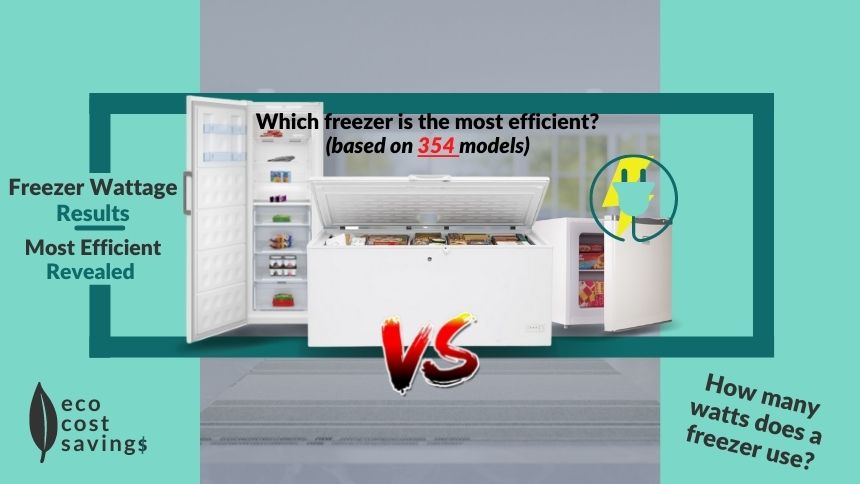
Chest freezer wattage generally increases with capacity, but not proportionally. Smaller units (3-5 cu ft) often use 70-120 watts during operation, while larger models (12-15 cu ft) range from 150-250 watts. However, larger freezers typically have better energy efficiency per cubic foot. A 15-cubic-foot model might use only 40% more energy than a 7-cubic-foot unit despite having more than double the capacity. When comparing models, calculate energy use per cubic foot by dividing the estimated annual kWh by the capacity.
Smart Features That Reduce Long-Term Energy Costs
Modern chest freezers include features that optimize energy consumption without sacrificing performance:
- Inverter compressors that adjust speed based on cooling demand (vs. traditional on/off compressors)
- Enhanced insulation that maintains temperature longer during power outages
- Vacuum insulated panels in premium models that reduce heat transfer
- Smart thermostats that adapt to usage patterns and ambient conditions
While these features may increase the purchase price by 15-25%, they often pay for themselves through energy savings within 3-5 years, especially in warmer climates where freezers run more frequently.
Final Note
Understanding chest freezer watts empowers you to make informed decisions that save money and prevent electrical issues. Remember that actual energy consumption depends more on usage patterns and placement than the nominal wattage rating. For the most accurate assessment of your specific unit, use a plug-in power meter to track real-world consumption over time. When purchasing a new freezer, prioritize ENERGY STAR certification and the estimated annual kWh rating over simple wattage comparisons. Proper placement, regular maintenance, and optimal temperature settings can reduce energy consumption by 25% or more—translating to meaningful savings over the appliance’s 10-15 year lifespan. By applying these strategies, you’ll maximize efficiency while keeping your frozen foods safely preserved without overloading your home electrical system.