Chest Freezer Amp Draw Guide
Ever wonder why your chest freezer sometimes trips the circuit breaker when it first kicks on? Or how much it actually costs to run that extra freezer in your garage? Knowing your chest freezer amperage draw is crucial for proper electrical planning, avoiding blown circuits, and estimating energy costs. Most standard chest freezers draw between 1 to 3 amps during normal operation, but that initial startup surge can be significantly higher. This guide explains exactly what amperage draw means for your chest freezer, how to calculate energy costs, and what to do if your unit seems to be drawing too much power. Whether you’re installing a new freezer, troubleshooting electrical issues, or planning for backup power, understanding these electrical requirements ensures your freezer operates safely and efficiently for years to come.
Startup Surge vs Running Amperage: Critical Differences
Your chest freezer operates in two distinct electrical modes that significantly impact how you should plan your electrical setup. Recognizing the difference between these phases prevents circuit overloads and helps diagnose potential problems before they cause food spoilage or electrical hazards.
Why Startup Amperage Matters Most for Circuit Planning
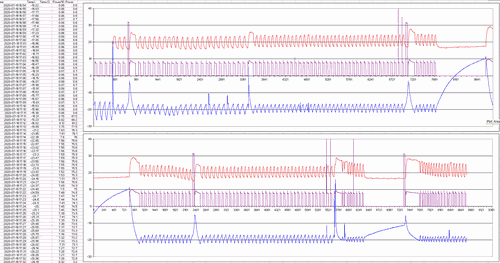
When your chest freezer compressor first activates, it requires a substantial power surge to overcome initial system resistance and begin circulating refrigerant. This startup phase typically draws 5 to 15 amps but lasts only 3 to 5 seconds before settling into normal operation. This temporary spike is completely normal but critical for proper circuit planning.
The circuit breaker must accommodate this brief surge without tripping. While a standard 15-amp household circuit can usually handle this surge for a single chest freezer, problems arise when multiple appliances share the same circuit. If your freezer consistently trips the breaker during startup, it indicates either an overloaded circuit or a developing problem with the freezer’s compressor. Never replace a breaker with a higher-amp version to solve this issue—that’s a fire hazard waiting to happen.
What Running Amperage Tells You About Efficiency
Once the compressor reaches operating speed, amperage draw drops significantly to the running amperage level. Most standard chest freezers consume 1 to 3 amps during continuous operation. This represents the steady-state power requirement to maintain your frozen goods at safe temperatures.
Energy-efficient models reduce running amperage even further, often operating in the 0.5 to 1.5 amp range. Larger capacity units, particularly those exceeding 15 cubic feet, typically draw 2 to 4 amps during normal operation. Monitoring your freezer’s running amperage over time can reveal developing problems—gradually increasing amperage often indicates compressor wear or reduced efficiency.
Matching Voltage Requirements to Your Electrical System
The voltage requirements of your chest freezer must perfectly match your available electrical supply. Using the wrong voltage creates dangerous situations, damages equipment, and voids warranties.
Standard 120V Household Circuits
In North America, virtually all residential chest freezers operate on 120 volts standard household current. This single-phase connection matches standard wall outlets throughout homes, making installation straightforward without specialized wiring. Always verify your specific unit’s requirements by checking the nameplate attached to the back or inside the freezer door before plugging it in.
Plugging a 120V freezer into a standard household outlet seems simple, but many homeowners make the critical mistake of using extension cords or power strips. These introduce resistance and potential fire hazards—chest freezers should always connect directly to a wall outlet.
Recognizing Commercial 240V Units
Some larger commercial-grade chest freezers require 240-volt connections. These units typically serve restaurants, medical facilities, or homeowners needing substantial extra storage. Installing a 240V freezer on a 120V circuit results in inadequate cooling and potential compressor damage, while connecting a 120V unit to 240V causes immediate catastrophic failure.
Commercial units often feature specific plug configurations that prevent accidental connection to incorrect voltages. If your freezer requires special wiring, consult a licensed electrician—improper installation creates serious safety risks.
Key Factors That Increase Your Chest Freezer Amperage Draw
Several environmental and operational factors significantly impact how many amps your chest freezer consumes. Understanding these variables helps optimize efficiency and prevent unexpected electrical issues.
Ambient Temperature Effects on Power Consumption
The surrounding air temperature directly affects compressor workload. A chest freezer in a hot garage (90°F+) works considerably harder than one in a cool basement (60°F), drawing more amps to maintain internal temperature. During summer months, you might notice your freezer running almost continuously as ambient temperatures rise.
Conversely, freezers placed in unheated garages during winter months consume less electricity in cooler weather. However, extremely cold ambient temperatures (below 50°F) can sometimes prevent the freezer from running enough to maintain proper internal temperatures, particularly if the thermostat is calibrated for warmer conditions.
Door Opening Habits That Waste Energy
Each time you open your chest freezer lid, warm humid air rushes inside and must be removed by the compressor. Frequent door openings or extended open times cause the compressor to run longer and draw more electricity. This simple behavior can increase your freezer’s amperage draw by 15-25% over time.
Teach household members to minimize open time, organize contents for quick access, and avoid leaving the lid propped open while making selections. These small changes significantly reduce energy consumption over your freezer’s lifetime.
Frost Buildup and Its Impact on Efficiency
Frost accumulation on interior walls acts as insulation, reducing the freezer’s ability to transfer cold to stored food and forcing the compressor to work harder. When frost exceeds one-quarter inch thickness, amperage draw increases noticeably as the compressor runs longer to compensate.
Regular defrosting maintains efficiency and keeps amperage draw at optimal levels. Modern frost-free models eliminate this maintenance requirement but still benefit from occasional interior cleaning to maintain peak efficiency.
Calculating Your Chest Freezer’s Energy Costs
Understanding how to convert amperage draw into actual electricity costs helps with household budgeting and identifies opportunities for savings.
Simple Cost Calculation Method
To estimate monthly electricity cost, multiply your freezer’s running amps by voltage (typically 120V) to get watts, then multiply by estimated daily running hours and your electricity rate. Most chest freezers run approximately 8 hours per day as the compressor cycles on and off.
For example, a freezer drawing 1.5 amps at 120V consumes 180 watts during operation. At the U.S. average electricity rate of about $0.13 per kilowatt-hour, this equals approximately $0.19 per day or $5.70 monthly. Remember that startup surges add negligible cost due to their extremely short duration.
Backup Power Requirements
When planning for generator or inverter backup power, focus on startup amperage rather than running amperage. Your power source must handle the initial surge of 5-15 amps. For reliable operation, size your backup power system to handle at least 1.5 times the startup amperage to provide adequate safety margin.
This ensures your backup system handles the initial surge without overloading, which is crucial when multiple appliances need to start simultaneously during a power outage.
Preventing Electrical Problems with Proper Setup
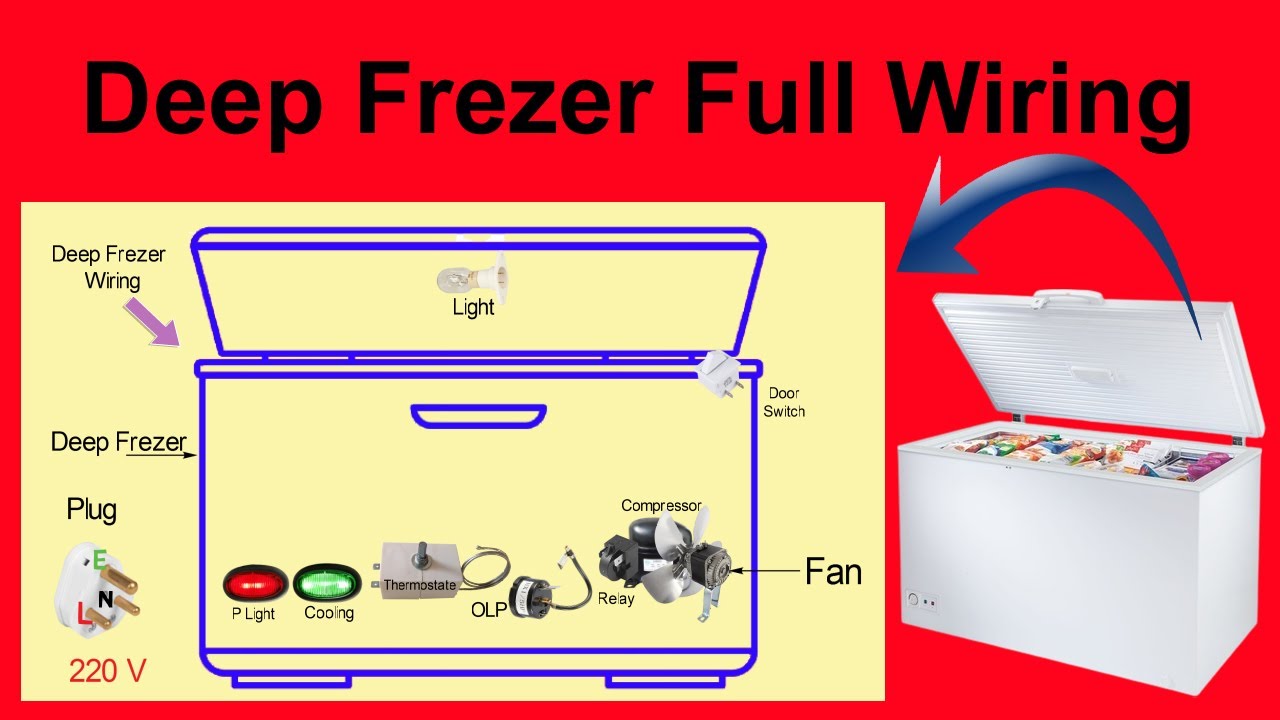
Avoiding common electrical mistakes protects your investment and prevents dangerous situations. Proper setup from the beginning saves headaches later.
Dedicated Circuit Benefits
While most chest freezers operate safely on standard 15-amp household circuits when used alone, a dedicated circuit provides optimal safety and eliminates interference from other appliances. This is especially important for garage or basement installations where the freezer might contain valuable contents like hunting harvest or medical supplies.
If multiple freezers are needed, distribute them across different circuits rather than loading a single circuit. Never use extension cords or power strips with chest freezers—these create fire hazards through overheating and resistance.
Warning Signs of Electrical Problems
Excessive frost buildup inside the freezer, longer compressor run times, warm interior temperatures, or unusual noises all indicate potential problems affecting amperage draw. If your freezer suddenly starts drawing more power than before, check the most common causes before assuming compressor failure.
Dirty condenser coils, failing door seals, or blocked airflow often cause increased amperage draw and can be resolved with simple maintenance. More serious issues like refrigerant leaks or compressor problems typically require professional service.
Maximizing Efficiency to Reduce Amperage Draw
Simple operational adjustments and regular maintenance significantly reduce your chest freezer’s amperage draw, lowering electricity costs and extending the appliance’s operational lifespan.
Optimal Placement for Minimum Energy Use
Position your freezer away from heat sources like water heaters, furnaces, or direct sunlight. Maintain adequate clearance around the unit—typically two inches on all sides—to allow proper airflow for the condenser coils. Restricted airflow forces the compressor to work harder and consume more electricity.
Basement locations often provide naturally cooler ambient temperatures than garages, reducing the compressor’s workload. If garage installation is necessary, choose the coolest, most shaded spot available.
Strategic Loading Practices
Avoid overfilling your freezer, which blocks internal airflow, while also avoiding underfilling, as the thermal mass of frozen contents helps maintain temperature during door openings. Leave space between items to allow air circulation, and group similar items together for efficient organization and quicker access.
Partially filled freezers work harder to maintain temperature—consider filling empty space with water bottles to add thermal mass without wasting food. This simple trick reduces compressor run time and lowers amperage draw.
When to Repair or Replace Your Chest Freezer
If your chest freezer seems to be drawing excessive amperage, systematic troubleshooting determines whether repair or replacement makes the most sense.
Identifying Cost-Effective Repairs
Minor issues like dirty coils, poor door seals, or frost buildup often resolve high amperage problems with simple DIY maintenance. These fixes typically cost little and restore efficiency quickly.
However, compressor failures or refrigerant leaks usually cost 50 to 75 percent of a new unit’s price to repair. If your freezer is more than ten years old and experiencing significant efficiency loss, replacement often provides better long-term value than expensive repairs.
Energy-Efficient Replacement Considerations
Modern chest freezers feature significantly improved energy efficiency compared to units from 10-15 years ago. When replacement becomes necessary, choosing an ENERGY STAR certified model can reduce running amperage by 15-25% compared to standard models, translating to meaningful electricity cost savings over the appliance’s lifetime.
Understanding your chest freezer amperage draw empowers you to make informed decisions about installation, operation, and maintenance. Remember that startup surges of 5-15 amps are normal but critical for circuit planning, while running amperage typically falls between 1-3 amps for standard models. By optimizing placement, maintaining proper airflow, minimizing door openings, and addressing minor issues promptly, you can keep your freezer operating at peak efficiency with minimal electrical consumption. When electrical problems arise, focus first on simple maintenance solutions before considering major repairs. With proper care and attention to its electrical requirements, your chest freezer will provide reliable, efficient service for many years of trouble-free food storage.