Best Way to Store Salmon in Freezer (2026 Guide)
Picture this: you’ve just returned from a successful fishing trip with a cooler full of fresh-caught salmon, or you found an incredible deal on premium wild salmon at your local market. You’re excited to enjoy this nutrient-packed fish for weeks to come, but then you pull out a package from your freezer months later only to discover dry, flavorless fillets with freezer burn. Properly learning the best way to store salmon in freezer conditions is the difference between enjoying restaurant-quality meals months after your initial purchase and wasting precious food and money. The reality is that salmon’s delicate texture and rich omega-3 fats make it particularly vulnerable to quality degradation during freezing if not handled correctly.
Freezing salmon properly isn’t complicated, but it does require specific techniques that many home cooks overlook. Most people simply toss salmon in a plastic bag and hope for the best, only to be disappointed when it’s time to cook. The truth is that salmon begins losing quality the moment it’s exposed to air and temperature fluctuations, so proper preparation, packaging, and storage techniques are essential. This guide reveals exactly how to freeze salmon so it retains its fresh-caught flavor, firm texture, and nutritional value for months—techniques used by professional fish processors and chefs that you can easily implement at home.
How to Prepare Salmon Before Freezing
Timing is everything when freezing salmon. Freeze your fish within 24 hours of catching or purchasing for wild salmon, or within 48 hours for farm-raised varieties if properly refrigerated. Before packaging, rinse salmon under cold water to remove surface impurities, then thoroughly pat dry with paper towels—excess moisture creates damaging ice crystals. For best results, portion salmon into meal-sized servings before freezing; attempting to cut frozen salmon often results in uneven portions and wasted fish.
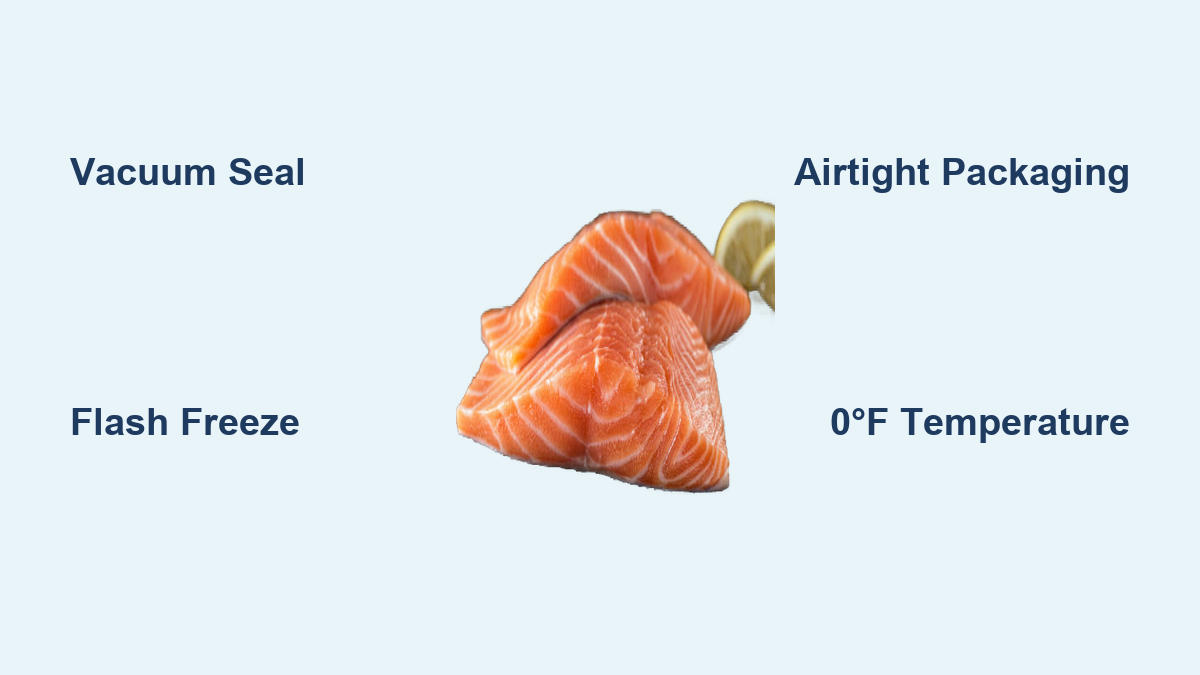
Consider flash-freezing salmon on a baking sheet for 4-6 hours before final packaging. This technique creates smaller ice crystals that cause less cellular damage, preserving texture better than slow-freezing whole batches. Lay fillets in a single layer without touching, place in the coldest part of your freezer (typically the back bottom corner), then transfer to storage containers once solid. This extra step makes a noticeable difference in maintaining that fresh-caught texture when you finally cook your salmon months later.
Select the Right Packaging for Frozen Salmon

Your packaging choice directly determines how long your salmon maintains peak quality. Vacuum sealing delivers superior results by removing nearly all air, preventing oxidation and moisture loss that cause freezer burn. Use freezer-specific vacuum bags and ensure proper sealing with at least two inches of material beyond the fish. Vacuum-sealed salmon stays fresh for 3-4 months at 0°F, extending to 6 months in deep freezers.
Without a vacuum sealer, employ the double-bagging method: place salmon in one heavy-duty freezer bag, press out air from bottom to top, seal, then repeat with a second bag. Alternatively, wrap tightly in plastic wrap followed by aluminum foil for a moisture-proof barrier. Rigid freezer containers work well for whole fish—fill them nearly full to minimize air space and press plastic wrap directly against the fish surface before sealing. Never use regular storage containers as they may crack in freezing temperatures, creating air entry points.
Maintain Optimal Freezer Temperature for Salmon
Your freezer must maintain a consistent temperature of 0°F (-18°C) or below to properly preserve salmon quality. Invest in an independent freezer thermometer to verify actual temperatures, as many freezers run warmer than their dials indicate. Deep freezers provide more stable temperatures than refrigerator freezer compartments, making them ideal for long-term storage. If using a combined unit, store salmon in the back where temperature fluctuations from door openings are minimized.
Temperature stability matters as much as the absolute temperature. Each defrost cycle or power fluctuation allows ice crystals to grow and recede, progressively damaging fish tissue. Keep your freezer at least two-thirds full to stabilize temperatures—add frozen water bottles if necessary when storage space is limited. Minimize door openings and avoid placing salmon near the door or defrost vents where temperature varies most.
How Long Can You Safely Store Frozen Salmon
While frozen salmon remains safe indefinitely from a food safety perspective, quality degrades significantly over time. Vacuum-sealed salmon maintains excellent quality for 3-4 months at 0°F, good quality for 4-6 months, and acceptable quality up to one year. Wild-caught salmon generally freezes better than farm-raised due to firmer texture, though its stronger flavor can become overpowering if stored too long. Farm-raised Atlantic salmon’s higher fat content actually freezes well but carries greater rancidity risk with temperature fluctuations.
Cooked salmon has a shorter freezer life—2-3 months for peak quality—because cooking slightly damages cell structure. Freeze cooked salmon within two hours of preparation in airtight containers, ensuring it’s completely cooled first to prevent condensation. Always label packages with freezing dates and follow a first-in-first-out system to ensure older salmon gets used first.
Safely Thaw Frozen Salmon Without Compromising Quality
Thawing salmon properly is just as crucial as freezing it correctly. The refrigerator method is safest—place sealed packages on a plate to catch drips and allow 12-24 hours for fillets or up to 48 hours for whole fish. Never thaw salmon at room temperature, as the exterior enters the bacterial “danger zone” (40-140°F) while the interior remains frozen.
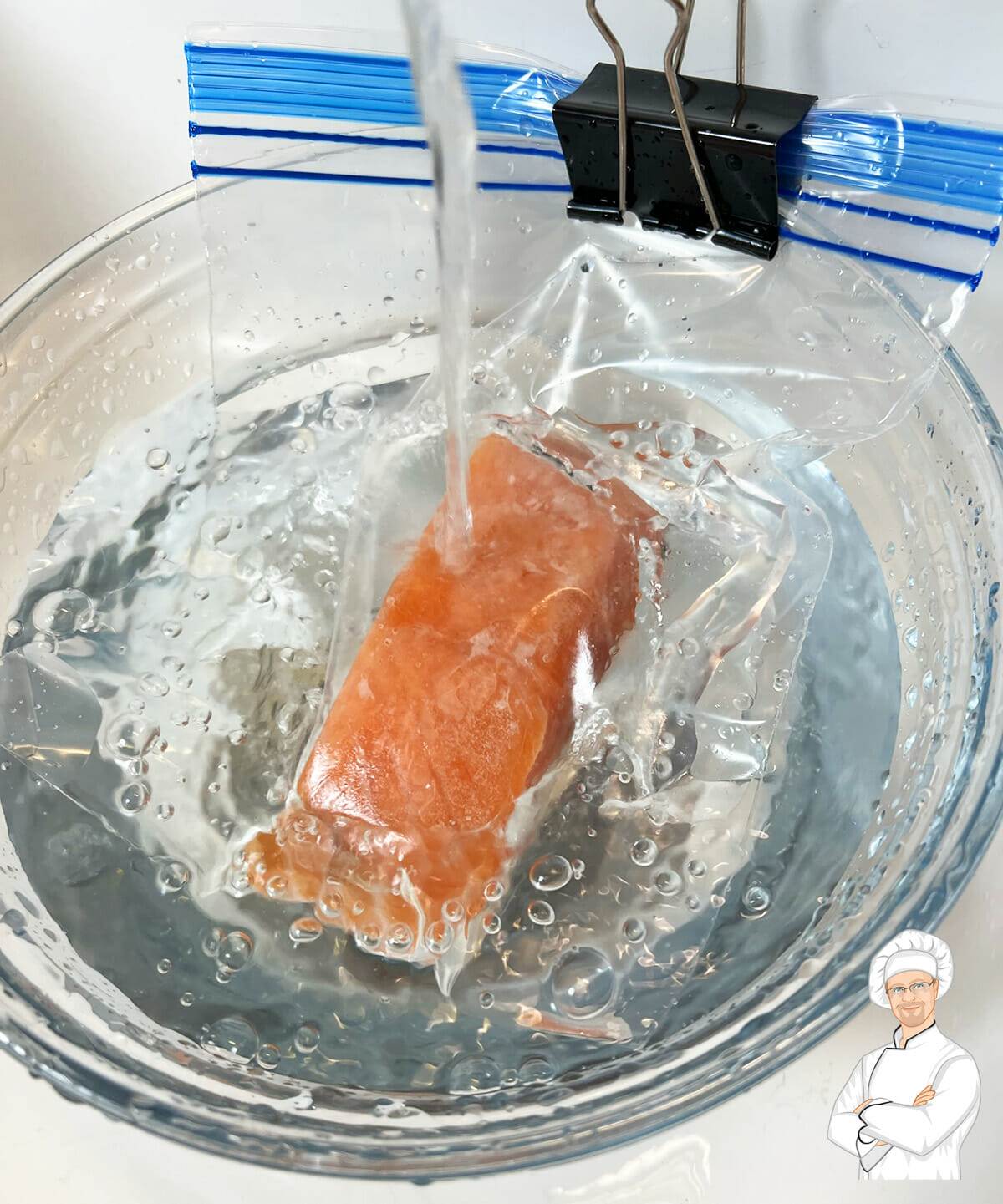
For quicker thawing, use the cold water method: submerge sealed packages in cold tap water, changing water every 30 minutes. This takes 1-3 hours depending on portion size. Microwave thawing works in emergencies but requires extreme care to avoid partial cooking—use defrost settings and check frequently. Never refreeze raw salmon after thawing; cook excess portions first, then freeze the cooked salmon.
Identify When Frozen Salmon Has Gone Bad
Learn to distinguish between freezer burn (safe but disappointing) and true spoilage (unsafe). Freezer burn appears as dry, leathery white or gray patches on the surface—simply trim these areas before cooking. Rancidity develops when fats oxidize, creating stale or paint-like odors; while not dangerous, rancid salmon tastes unpleasant and should be discarded.
True spoilage signs include strong ammonia odors that intensify when opened, slimy texture even after cooking, or unusual yellowish/greenish discoloration. If your thawed salmon shows these characteristics, discard it immediately. When in doubt about safety, remember: “When you doubt, throw it out”—the cost of replacing salmon is far less than potential foodborne illness.
Prevent Freezer Burn on Salmon
Air exposure causes freezer burn, so your primary defense is eliminating air pockets during packaging. With zip-top bags, press seals firmly against a flat surface after squeezing out air. For vacuum sealing, inspect each seal and rerun imperfect bags. Create moisture barriers by pressing plastic wrap directly against fish surfaces before final packaging.
Store salmon in the coldest, most stable freezer zones—away from the door and defrost vents. Avoid stacking packages where they’ll be frequently disturbed, and never store salmon near strongly scented foods that could permeate packaging over time. Properly executed, these techniques virtually eliminate freezer burn, preserving your salmon’s quality for months.
Advanced Techniques to Maximize Frozen Salmon Quality
Take your salmon freezing to the next level with these professional techniques. Glaze salmon by briefly dipping already-frozen fillets in ice water, allowing a thin ice layer to form, then repeating 2-3 times. This ice coating seals the surface completely, though it requires refreshing every 2-3 months for extended storage.
For exceptional quality retention, add food-safe oxygen absorbers to vacuum-sealed packages—they bind residual oxygen molecules, further slowing oxidation. These small packets, available from specialty suppliers, work especially well with high-fat salmon varieties prone to rancidity.
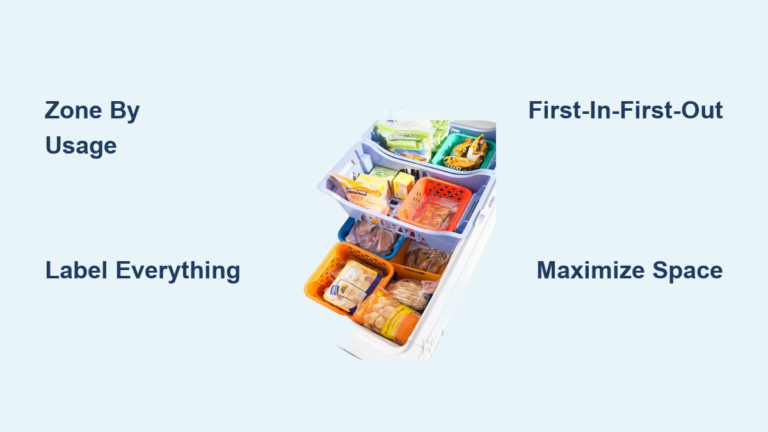
Track your inventory meticulously by labeling each package with freezing date, portion size, and preparation notes (skin-on/off, seasoning). This simple practice prevents freezer mysteries and ensures you use older salmon first, maximizing quality across your entire frozen inventory.
Quick Reference Guide to Perfect Frozen Salmon
Follow these five fundamentals for consistently excellent frozen salmon: freeze fish while fresh, eliminate air exposure during packaging, maintain steady 0°F temperatures, use within 3-4 months, and thaw safely in the refrigerator. Vacuum-sealed salmon maintains best quality for 3-4 months, while double-bagged salmon lasts 2-3 months. Cooked salmon should be consumed within 2-3 months for optimal results.
| Storage Method | Peak Quality Duration | Maximum Safe Duration |
|---|---|---|
| Vacuum-sealed at 0°F | 3-4 months | 6 months |
| Double-bagged at 0°F | 2-3 months | 4-5 months |
| Cooked salmon at 0°F | 2-3 months | 3-4 months |
By implementing these techniques, you’ll transform your freezer into a reliable source of high-quality salmon year-round. The small effort invested in proper preparation and packaging pays dividends every time you pull out perfectly preserved salmon ready to deliver fresh-caught flavor and texture to your table.