Beko Fridge Freezer Issues Solved
When your Beko fridge freezer suddenly stops keeping food cold or develops frost buildup, the disruption to your daily routine can be immediate and stressful. Spoiling groceries, wasted money, and the uncertainty of whether you’re facing a simple fix or a costly repair create unnecessary anxiety in your kitchen. The good news is that most Beko fridge freezer issues stem from just a handful of common problems that you can diagnose and often resolve yourself. Understanding what triggers these malfunctions—and knowing exactly how to identify your specific symptom—puts you in control and could save you hundreds in service calls.
This practical guide walks you through the most frequent Beko fridge freezer issues with step-by-step diagnostic instructions you can perform right now. Whether your refrigerator compartment is warming up while the freezer still works, your appliance is making unusual noises, or frost is accumulating faster than normal, you’ll discover targeted solutions that address the root cause. Let’s dive into solving your Beko fridge freezer problems efficiently.
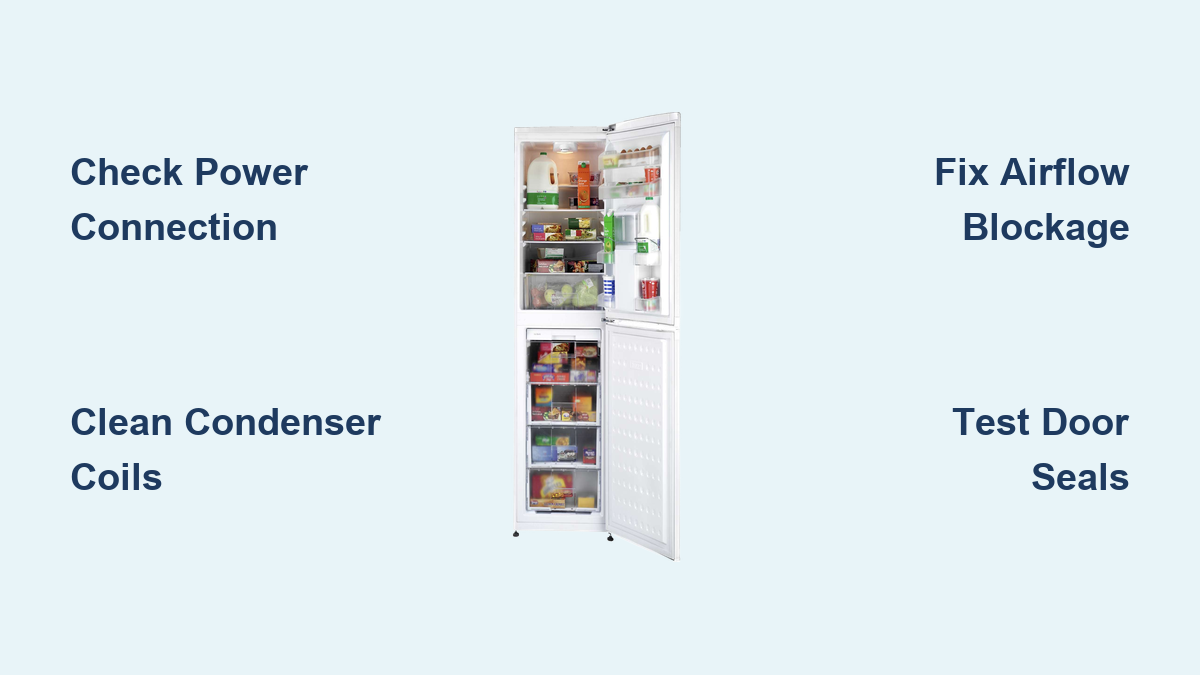
Power Connection Problems Causing Cooling Failure

Before assuming a major mechanical failure, eliminate the simplest possible causes of Beko fridge freezer issues: power supply interruptions and thermostat misconfiguration. These two elements account for nearly 30% of apparent malfunctions and represent the easiest fixes you’ll encounter.
Confirm Electrical Power Is Reaching Your Appliance
Many Beko fridge freezer issues begin with something as simple as a tripped circuit breaker or loose power connection. Start by ensuring the plug is fully inserted into the outlet with no visible gaps. Carefully examine the entire power cord length for cuts, fraying, or exposed wiring that could interrupt electricity flow—never attempt repairs on damaged cords yourself due to serious electrical hazards.
Place your ear near the appliance and listen for the characteristic compressor hum that confirms power is reaching internal components. If you hear nothing and interior lights don’t illuminate when opening the door, test the outlet with another device like a phone charger. Critical safety note: Always unplug the appliance before moving it or performing any maintenance to prevent electrical shock.
Verify Correct Thermostat Operation
Even with proper power supply, an incorrectly set thermostat prevents adequate cooling. Locate your temperature control—this may be a dial inside the fridge compartment or a digital display panel. Ensure it hasn’t been accidentally switched to “off” or set to minimum cooling. For optimal food safety:
- Refrigerator compartment should maintain 35-38°F (1.7-3.3°C)
- Freezer section requires 0°F (-18°C) or lower
If your Beko model has separate temperature controls for refrigerator and freezer sections, verify both are set correctly. Digital displays sometimes require resetting after power outages—consult your user manual for model-specific reset procedures if temperatures aren’t responding to adjustments.
Dirty Condenser Coils Causing Overheating and Poor Cooling

Clogged condenser coils represent one of the most common yet overlooked Beko fridge freezer issues. These components release heat absorbed from your food compartments into the surrounding air. When coated with dust and pet hair, they lose up to 30% efficiency, forcing your compressor to work harder while achieving poorer cooling results.
Step-by-Step Coil Cleaning Procedure
Before cleaning, always unplug your appliance to eliminate electrical hazards. Locate your condenser coils—they’re typically positioned either at the back of the unit or beneath the front grill depending on your Beko model.
- Move the appliance carefully away from the wall (get help to avoid back strain)
- Use a soft-bristle brush or vacuum cleaner brush attachment on low suction
- Gently brush along coil tubes in their natural direction—never press hard
- Avoid sharp objects that could puncture delicate tubing
- Never use damp cloths near electrical components
Complete this process every six months, or quarterly if you have pets. You’ll notice immediate improvements in cooling performance and reduced energy consumption after cleaning.
Overloading and Airflow Blockage Creating Temperature Inconsistencies
Proper air circulation is essential for uniform cooling throughout your Beko fridge freezer. When airflow becomes restricted, you’ll experience frustrating temperature inconsistencies—some areas freezing while others warm up—without any mechanical failure.
Optimize Interior Organization for Maximum Airflow
Rearrange your contents to maintain clear pathways for cold air movement. Pay special attention to these critical areas:
– Keep at least 2 inches of space between items and side walls
– Ensure nothing blocks the vents inside compartments (usually near top)
– Avoid overpacking the freezer where cold air originates
– Store liquids toward the back where temperatures are most stable
If your refrigerator section warms up while the freezer still works, this almost always indicates blocked airflow between compartments. Remove 20-30% of contents and reorganize with space between items—this simple fix resolves most temperature inconsistency issues.
Excessive Frost Build-Up in Freezer Compartment
While a thin frost layer is normal in manual-defrost models, buildup exceeding 1/4 inch indicates serious Beko fridge freezer issues requiring immediate attention. This problem wastes energy, reduces storage space, and strains your compressor.
Manual Defrosting Without Damaging Your Appliance
For non-frost-free Beko models, follow these safe defrosting steps:
- Turn off and unplug the appliance completely
- Remove all food items and store in coolers with ice packs
- Place towels inside to catch melting water
- Allow frost to melt naturally or use warm (never hot) damp cloths
- Never use sharp objects—this can puncture refrigerant lines
- Thoroughly dry all interior surfaces before restarting
The entire process typically takes 4-6 hours. After restarting, set temperatures slightly lower for the first 24 hours to compensate for residual moisture.
Automatic Defrost System Failure Symptoms
If your frost-free Beko model develops excessive frost, the automatic defrost system has likely failed. Warning signs include:
– Frost accumulating specifically behind the rear freezer panel
– Water pooling inside the refrigerator compartment
– The appliance running continuously without cycling off
– Unusual clicking sounds from the defrost timer
These issues require professional service as they involve electrical components and refrigerant systems beyond safe DIY repair.
Environmental Temperature Effects on Performance
Beko fridge freezers operate within specific ambient temperature ranges (typically 55-110°F). Installing your appliance outside these parameters creates performance issues that mimic mechanical failures.
Avoid Problematic Installation Locations
Never place your Beko fridge freezer:
– Within 3 feet of heat sources like ovens or radiators
– In direct sunlight through windows
– In unheated garages where temperatures drop below 50°F
– In spaces with excessive humidity
If your freezer stops freezing during winter but works fine in summer, cold ambient temperatures are likely preventing proper thermostat operation. Relocating the appliance to a temperature-controlled space often resolves this issue immediately.
Damaged Door Seals Causing Temperature Fluctuations

Worn door gaskets represent one of the most common yet easily fixable Beko fridge freezer issues. Compromised seals allow cold air to escape while warm, moist air enters—forcing your compressor to run constantly.
Test and Repair Door Seal Effectiveness
Perform this quick seal test:
1. Close the door on a dollar bill at multiple points around the perimeter
2. Try to pull the bill out—if it slides easily, the seal is compromised
3. Check for visible cracks, tears, or hardened rubber sections
For minor seal separation, gently pull the gasket away from the door frame to restore elasticity. Clean seals monthly with mild soapy water to prevent food residue buildup. Replace severely damaged seals with manufacturer-approved parts specific to your Beko model—improper seals waste up to 15% more energy.
Recognizing Critical Warning Signs Requiring Professional Help
While many Beko fridge freezer issues are DIY-fixable, certain symptoms demand professional attention to prevent further damage or safety hazards:
- Refrigerant leaks (oily residue near coils, hissing sounds)
- Electrical burning smells (immediately unplug and call service)
- Continuous compressor operation without cycling off
- Water leakage beneath the appliance (not from normal defrost drain)
Attempting advanced repairs yourself risks voiding warranties, creating safety hazards, or causing additional damage. Keep your model number handy when contacting authorized service agents for faster diagnosis.
Preventative Maintenance Schedule for Long-Term Reliability
Implement these simple maintenance habits to prevent most common Beko fridge freezer issues:
- Monthly: Clean interior surfaces and door seals with baking soda solution
- Every 6 months: Clean condenser coils and verify temperature readings
- Annually: Check door seal integrity and alignment
- As needed: Defrost manual models when frost exceeds 1/4 inch
Place appliance thermometers in both compartments to monitor actual temperatures—your refrigerator should read 35-38°F and freezer at 0°F or below. Consistent monitoring catches developing problems before food spoilage occurs.
By systematically addressing these common Beko fridge freezer issues using the targeted solutions provided, you’ll maintain optimal performance while extending your appliance’s service life. Most cooling problems resolve with basic maintenance and proper organization—saving you unnecessary service calls and keeping your food safely preserved. When in doubt about a potential repair, always consult your specific model’s user manual or contact an authorized Beko service provider before proceeding.