Freezer Burnt Shrimp: Causes and Prevention Tips
That moment when you pull frozen shrimp from your freezer only to discover white, leathery patches on the surface is all too familiar for home cooks. Freezer burnt shrimp affects nearly everyone who stores seafood for extended periods, whether it’s from the grocery store or your own bulk purchases. The good news? This condition doesn’t make your shrimp unsafe to eat—it’s purely a quality issue. Understanding how to recognize freezer burn, determine whether your shrimp is still usable, and implement proper storage techniques can save you from unnecessary food waste while ensuring better results when you cook.
Freezer burn develops when frozen shrimp loses moisture and undergoes oxidation, typically due to air exposure or temperature fluctuations in your freezer. While it won’t make you sick, it significantly impacts texture and flavor. The silver lining is that with the right identification techniques, cooking approaches, and prevention strategies, you can minimize waste and maximize the quality of your frozen shrimp.
Spot Freezer Burn on Shrimp by Visual and Textural Clues

Identifying freezer burnt shrimp requires attention to specific visual and textural changes that distinguish it from properly frozen seafood.
Recognize White, Gray, or Brown Discoloration Patterns
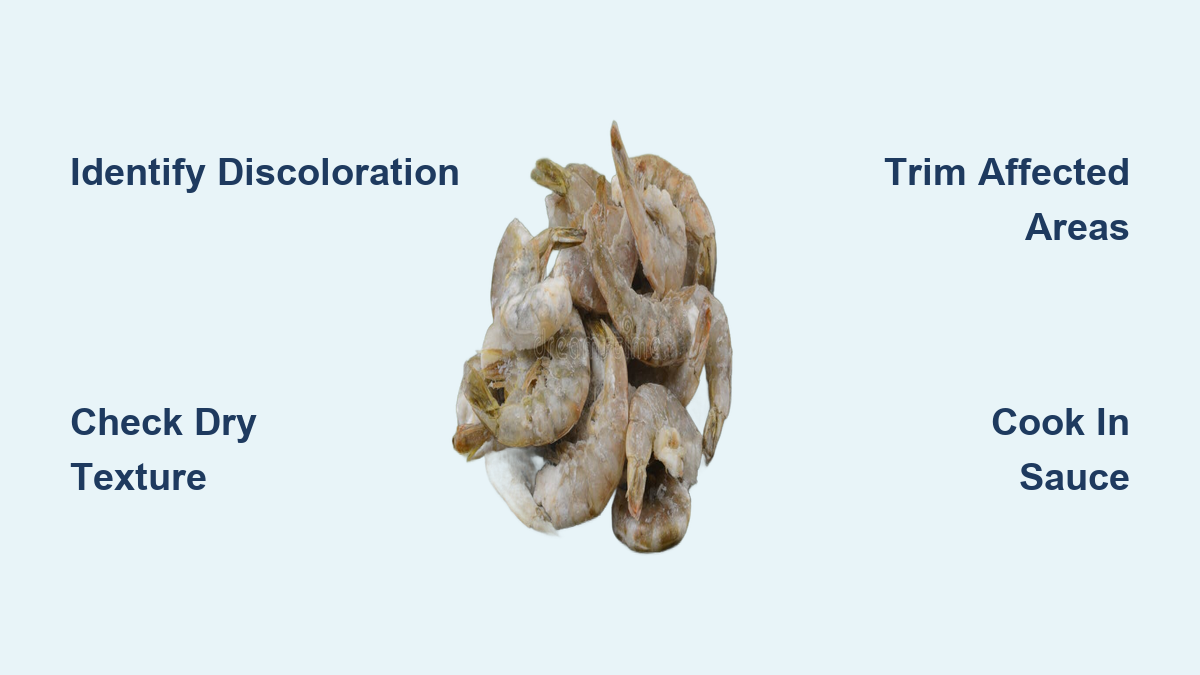
Freezer burnt shrimp displays distinctive discoloration that stands out against the normal pink or grayish color of fresh frozen shrimp. Look for dry, whitish or gray patches on the surface that may appear frosty or powdery—completely different from the smooth, moist look of well-preserved shrimp. In more severe cases, these patches turn brown or tan as dehydration and oxidation progress.
The discoloration typically appears in irregular patterns, with some shrimp showing more damage than others in the same package depending on their exposure to air. White-fleshed seafood like shrimp reveals freezer burn most clearly as an opaque white coating on affected areas. This visual contrast makes it relatively easy to identify even for inexperienced cooks.
Detect Dry, Leathery Texture Changes
Run your finger across the surface of suspected freezer burnt shrimp to confirm your visual diagnosis. The affected areas feel dry, rough, or slightly leathery compared to the smooth, slightly slippery texture of properly stored shrimp. In advanced cases, the surface may feel brittle or papery—more like leather than food.
When cooking freezer burnt shrimp, these textural differences become even more pronounced. The affected sections turn tough and chewy, almost woody, while properly stored portions remain tender. This textural degradation is why many people choose not to eat heavily freezer-burned shrimp, even though it’s technically safe.
Determine When Freezer Burnt Shrimp Is Safe to Eat
Understanding the safety profile of freezer burnt shrimp helps you make informed decisions about consumption without unnecessary waste.
Safety Assessment: Quality Issue, Not Health Hazard
Freezer burn does not make shrimp unsafe to eat from a food safety perspective. The condition results from dehydration and oxidation—neither creates harmful bacteria or toxic compounds. Shrimp that developed freezer burn while stored at proper frozen temperatures remains safe to consume, provided it was handled correctly before freezing.
The primary issue is quality rather than safety. While you won’t get sick from eating it, the eating experience may be significantly diminished. The nutritional value can also be somewhat reduced compared to fresh frozen shrimp, as the dehydration process causes some nutrients to be lost along with moisture.
Practical Consumption Guidelines Based on Severity
For shrimp with minor freezer burn affecting only small surface areas, simply trim away the visibly affected patches before cooking. The remaining shrimp will likely taste and texture much like properly stored shrimp. This approach minimizes food waste while ensuring good eating quality.
Heavily freezer-burned shrimp requires more careful consideration. If the majority of each shrimp shows discoloration and texture changes, you may need to trim away so much material that little usable meat remains. In these cases, using the shrimp in dishes where quality issues can be masked—such as heavily sauced preparations or chopped recipes—provides a practical solution. Only discard shrimp showing signs of spoilage beyond freezer burn, such as off-odors or unusual sliminess.
Stop Freezer Burn Before It Starts with Proper Storage
Preventing freezer burn requires creating storage conditions that eliminate air exposure and maintain consistent temperatures through specific, actionable techniques.
Master Airtight Packaging Techniques
The most effective prevention method involves wrapping shrimp tightly to eliminate air exposure completely. Plastic wrap pressed directly onto the shrimp surface provides a good barrier, but ensure multiple layers for long-term storage since plastic wrap can permit minimal air exchange over time.
Ziplock bags work exceptionally well when filled with water rather than air. Place your shrimp in the bag, cover them completely with water while leaving room to seal, then squeeze out air bubbles before sealing. The water layer creates a complete barrier around each shrimp, preventing the air exposure that causes freezer burn. This water-filled method works particularly well for meal-sized portions you’ll use all at once.
Implement Optimal Freezing Methods
Individual quick freezing prevents clumping and preserves quality. Spread shrimp in a single layer on a baking sheet and freeze them separately before transferring to containers. This method allows you to thaw only what you need while exposing more surface area to cold initially.
The ice block method provides maximum protection for extended storage. Place serving-sized shrimp portions in small containers or freezer bags, fill with water to cover completely, then freeze. When encased in solid ice, shrimp is completely protected from air exposure and moisture loss. This method also creates convenient pre-measured portions that thaw quickly.
Maintain Temperature Stability in Your Freezer
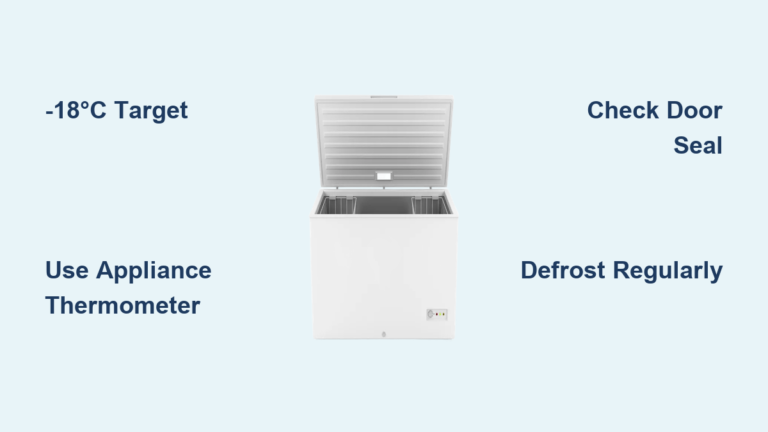
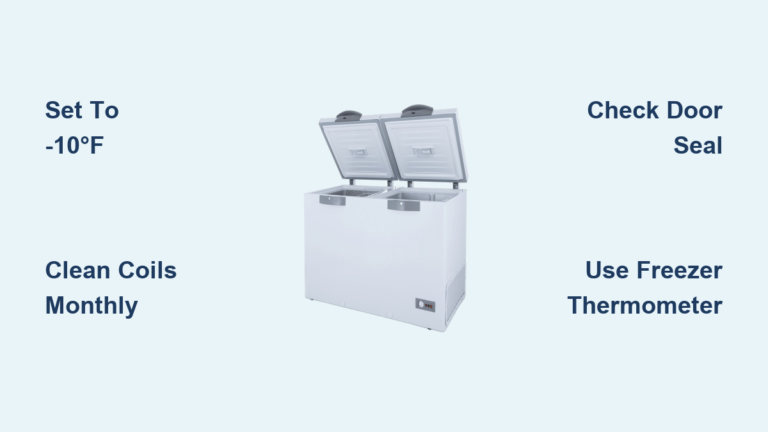
Set your freezer to the coldest temperature (0°F or below) to slow molecular activity that contributes to freezer burn. Use a freezer thermometer to verify actual temperatures, as dial settings aren’t always accurate.
Store shrimp in the back of your freezer, away from the door, where temperatures remain most stable. Avoid placing shrimp on freezer door shelves where frequent temperature fluctuations occur each time you open the door.
Transform Freezer Burnt Shrimp into Delicious Meals
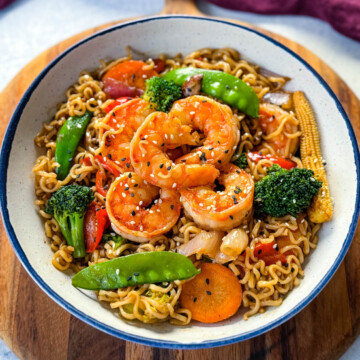
Certain cooking approaches help mask the quality issues of freezer burnt shrimp by adding moisture and strong flavors that compensate for dried-out portions.
Use Liquid-Based Cooking Methods for Better Results
Dishes with significant liquid components work best for freezer burnt shrimp because the cooking liquid helps rehydrate affected portions. Stir-fries with sauces, braised dishes, soups, and pasta with creamy sauces all provide the moisture that freezer burnt shrimp needs.
Cook shrimp directly in sauce rather than separately to retain more moisture. When shrimp simmers in tomato sauce, coconut curry, or butter-based preparations, some liquid gets absorbed into the shrimp flesh, partially compensating for moisture lost to freezer burn.
Choose Recipes That Mask Quality Issues Effectively
Shrimp cakes and meatballs represent an excellent solution for heavily freezer burnt shrimp. Chopping shrimp finely and combining with binders like eggs and breadcrumbs creates a unified dish where quality issues are distributed throughout. Pan-frying adds crispy textures that distract from any remaining textural problems.
Pasta dishes with generous sauces provide another effective vehicle. Shrimp fettuccine alfredo, shrimp scampi, or shrimp fra diavolo all work well, as their sauce-heavy preparations complement rather than compete with the shrimp. The sauce coating each bite delivers moisture and flavor with every forkful.
Know When to Discard Freezer Burnt Shrimp
While freezer burn doesn’t make shrimp unsafe, certain situations warrant disposal rather than consumption.
Recognize When Quality Degradation Is Too Severe
Discard shrimp when trimming would remove more than half of each piece. If heavily freezer-burned shrimp leaves little usable meat after removing affected portions, the effort and waste may not justify using it, especially when fresher alternatives are available.
Shrimp frozen well beyond recommended storage periods (typically three to six months in home freezers) may have cumulative quality degradation that makes it unpalatable regardless of cooking method. When in doubt about extremely old frozen shrimp, disposal provides the most reliable path to good eating quality.
Differentiate Quality Issues from Safety Concerns
Discard shrimp showing signs of spoilage beyond freezer burn, such as off-odors, unusual sliminess, or significant ice crystal accumulation throughout packaging. While freezer burn alone is not dangerous, these additional signs suggest possible temperature abuse or other quality issues that could affect safety.
Remember that freezer burn is purely a quality issue, not a safety hazard. When quality indicators suggest potential spoilage beyond simple freezer burn, erring on the side of caution protects against foodborne illness.
Freezer burn affects nearly everyone who stores shrimp long-term, but understanding this condition helps you respond appropriately whether dealing with minor surface damage or more extensive quality issues. The key takeaway is that freezer burn doesn’t make shrimp unsafe to eat—it simply degrades texture and flavor. By recognizing the visual and textural signs, implementing proper storage techniques from the start, and using strategic cooking methods when freezer burn does occur, you can minimize waste and consistently achieve better results with frozen shrimp. Proper airtight packaging, consistent freezer temperatures, and smart recipe choices transform what might seem like ruined shrimp into perfectly acceptable meals.