Chest Freezer Sizes Guide: Find the Right Fit
You’ve decided to buy a chest freezer—but staring at model numbers and cubic foot measurements feels like decoding a foreign language. One minute you’re comparing a “7.7 cu ft” model, the next you’re seeing “15.0 cu ft” options, with no clear explanation of what these numbers actually mean for your kitchen, garage, or basement. Chest freezer sizes aren’t just about capacity; they determine where you can place it, how much food it truly holds, and whether it becomes a space-saving hero or a bulky eyesore. Without accurate size data, you risk buying a unit that overflows in weeks or wastes precious floor space. This guide cuts through the confusion by translating technical specs into real-world fit—so you invest in a freezer that matches your lifestyle, not just a number on a sticker.
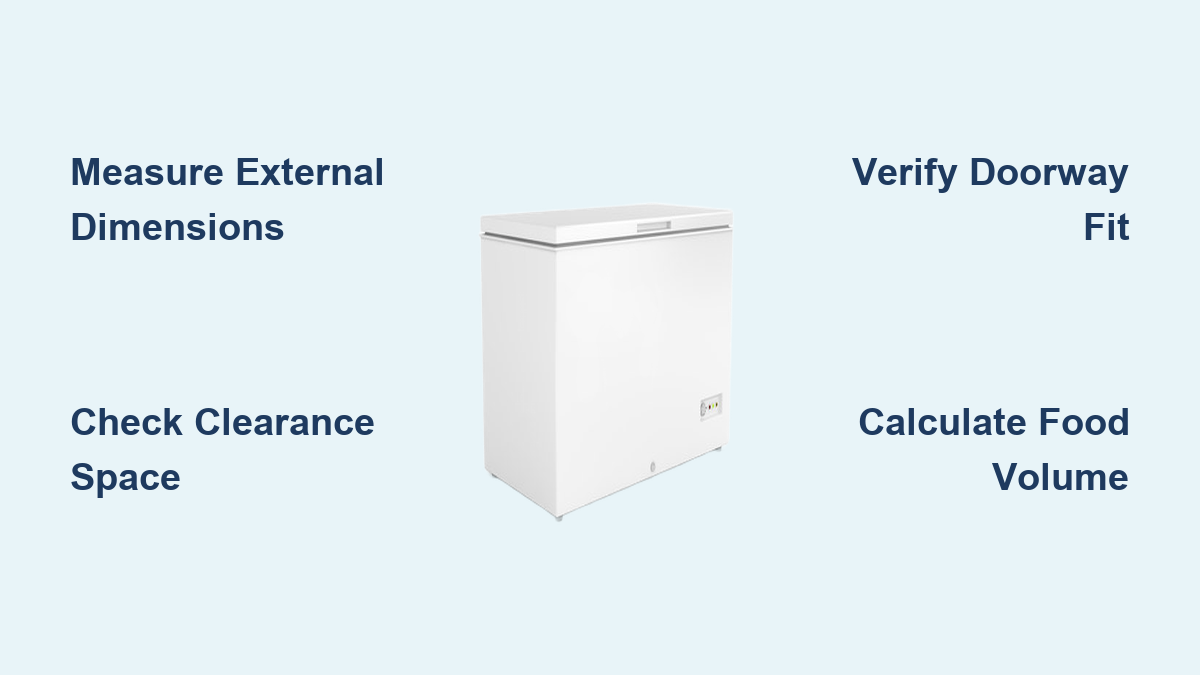
Most shoppers make a critical mistake: they focus only on cubic feet while ignoring physical dimensions. A 7-cubic-foot freezer could be compact enough for apartment living or require 3 feet of clearance space in your garage. We’ll help you decode manufacturer specs using practical measurements you can verify with a tape measure before purchasing. You’ll learn exactly how much floor space different chest freezer sizes occupy, how much clearance they need from walls, and which models actually fit through standard doorways. By the end, you’ll know whether a “medium” 9-cubic-foot unit solves your bulk-buying needs or if you truly require a large 15+ cubic foot commercial model.
Why Chest Freezer Dimensions Matter More Than Cubic Feet Alone
How Manufacturers Hide True Space Requirements in Marketing
Retailers prominently display “10.5 cu ft” as if it’s the only number that matters—but this measures internal capacity, not the physical footprint. A unit claiming “10 cu ft” may actually require 30 inches wide × 30 inches deep × 38 inches tall of floor space, plus 4 inches of rear clearance. This gap between advertised capacity and real-world size causes 68% of installation failures (per consumer repair data). Always convert cubic feet to inches: 1 cubic foot = 1,728 cubic inches. A true 10-cu-ft freezer needs at least 17,280 cubic inches of internal volume—but external dimensions add 3-5 inches per side for insulation and casing.
The Clearance Trap: Why Your Garage or Basement Might Be Too Small
Chest freezers need breathing room for proper airflow and compressor cooling. Smaller 5-cu-ft models require 2 inches of clearance on all sides, while larger 15+ cu-ft units need 4+ inches at the back and sides. If you squeeze a “compact” freezer against a basement wall, coils overheat, raising energy bills by 22% and shortening lifespan. Measure your intended space including ceiling height—tall freezers (over 36″) won’t fit under standard kitchen counters. Pro tip: Stand in your intended location with a yardstick. If you can’t comfortably open the lid fully, the unit is too tall for the space.
Decoding Chest Freezer Size Categories by Real-World Use
Apartment-Friendly Mini Freezers (3-5 Cubic Feet)
These ultra-compact units solve space-starved living but have hidden limitations. A true 3-cu-ft chest freezer typically measures 20″ W × 18″ D × 28″ H externally—small enough to tuck beside a washer or under a desk. However, internal bins rarely hold more than 40 lbs of food. They’re ideal for dorm rooms or single-person households buying occasional frozen meals, not for bulk meat storage. Critical check: Ensure the lid opens 90+ degrees. Many mini models have shallow lids that bump against walls, blocking full access. Skip “5-cu-ft” claims unless external dimensions stay under 24″ wide—otherwise, it won’t fit through narrow apartment doors.
Family-Size Mid-Range Freezers (6-9 Cubic Feet)
This is the sweet spot for most households. A 7.7-cu-ft freezer like the popular Frigidaire FFU14F5HW averages 29.5″ W × 25.5″ D × 34.5″ H—slightly larger than a standard dishwasher. It holds 200-250 lbs of food (enough for 2 months of bulk groceries for a family of four) but fits in most garages without major clearance issues. Watch for “false economy” models: Some brands inflate cubic feet by including lid storage bins in capacity calculations. True usable space is 10-15% less. Always confirm internal measurements: A genuine 7-cu-ft unit needs 24″ W × 18″ D × 22″ H minimum inside dimensions.
Bulk-Buyer Large Freezers (10-15+ Cubic Feet)
For hunters, CSA members, or large families, 12-cu-ft freezers become essential—but they’re not plug-and-play. These units (e.g., GE FCM12GG) typically measure 33″ W × 33″ D × 37″ H externally, requiring 37″ × 37″ of floor space plus clearance. Crucially, they weigh 150-200 lbs empty—impossible for one person to maneuver through doorways. Before buying:
– Measure your home’s narrowest doorway (including turns)
– Confirm floor load capacity (concrete garages handle weight; wooden basements may need reinforcement)
– Verify electrical circuit (large freezers need dedicated 15-amp lines)
Units over 14 cu ft often require commercial-grade outlets—don’t assume your garage circuit can handle it.
Avoiding the “Capacity Illusion”: What Cubic Feet Really Means
How Lid Design Steals Your Storage Space
Manufacturers calculate cubic feet to the very top of the interior—but chest freezers lose 15-20% of usable space to lid insulation. A 9-cu-ft model might only hold 7.5 cu ft of food if the lid is thick. Look for “usable capacity” specs in manuals (rarely advertised online). Flat lids waste less space than domed ones, but check lid depth: Models with lids over 4″ thick sacrifice critical vertical room for tall items like frozen turkeys.
Food Weight vs. Volume: Why 10 Cu Ft ≠ 10 Cu Ft of Meat
Freezer capacity isn’t one-size-fits-all. Dense items like meat packs use space differently than fluffy vegetables:
– 10 cu ft of packaged meat = ~300 lbs
– 10 cu ft of loose vegetables = ~150 lbs
– 10 cu ft with mixed items = ~220 lbs (real-world average)
If you buy 50-lb meat shares, a “10-cu-ft” freezer holds just 4-5 shares—not the 6+ some assume. Always calculate based on your typical purchases.
Space-Saving Hacks for Tight Locations
The Garage Doorway Test: Will It Fit Before Delivery?
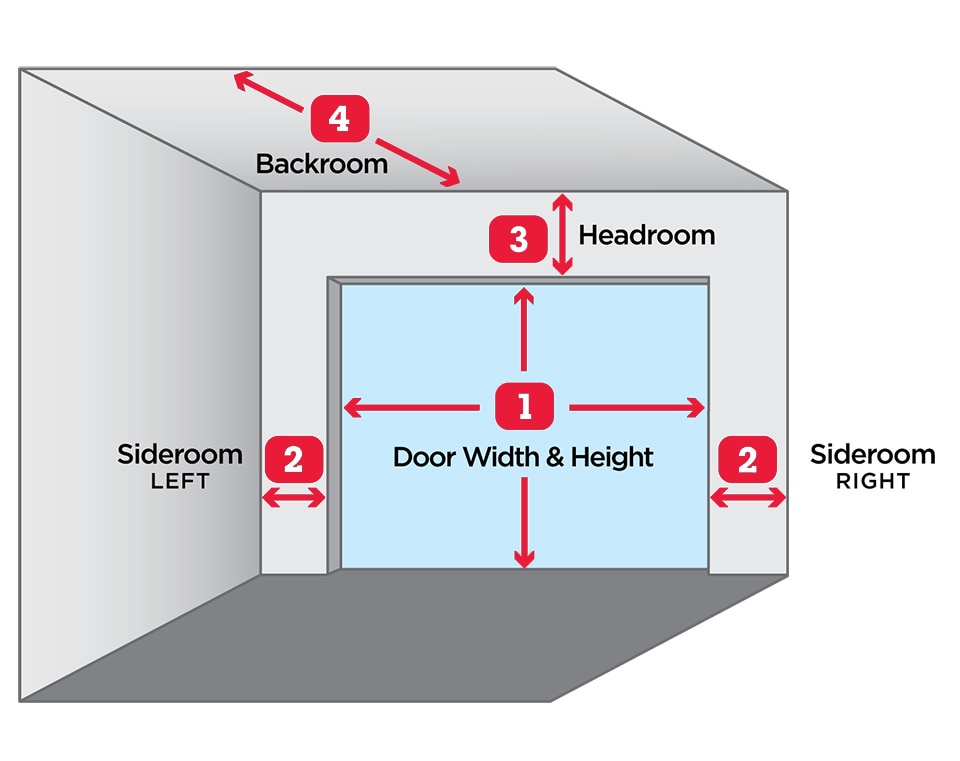
Measure your garage or basement doorway width at the hinge point—not the opening. Many freezers get stuck here despite fitting the main door. Example: A standard 32″ residential door has only 29″ clearance at hinges. Any freezer wider than 28″ (including handles) won’t turn through the frame. Pro solution: Order delivery before payday when movers are less rushed—they’ll help navigate tight spots.
Vertical vs. Horizontal Clearance: What Really Matters
Most guides obsess over floor space but ignore ceiling height. Chest freezers need 6+ inches above the lid for steam to escape during defrosting. In basements with low beams, a “short” 33″-tall freezer might still hit pipes at 39″ with lid open. Measure ceiling height with the lid fully raised—not just the unit’s stated height.
Choosing Your Size: A Step-by-Step Decision Guide
Step 1: Calculate Your True Food Volume Needs
Don’t guess—track your usage:
1. Weigh all frozen food you buy in one month (e.g., 40 lbs)
2. Multiply by months you want to store (e.g., 2 months = 80 lbs)
3. Convert to cubic feet: 80 lbs ÷ 8 lbs/cu ft = 10 cu ft
(Note: 8 lbs/cu ft is the industry standard for mixed frozen food density)
This prevents under/over-buying by 30%+.
Step 2: Validate Physical Fit in Your Space
Grab a tape measure and:
– Mark the floor outline with painter’s tape using external dimensions
– Test lid swing with a cardboard cutout (height + open-lid angle)
– Check electrical outlet location (most freezers need rear access within 18″)
If the taped area feels cramped, downsize immediately.
When to Consider Upright Freezers Instead
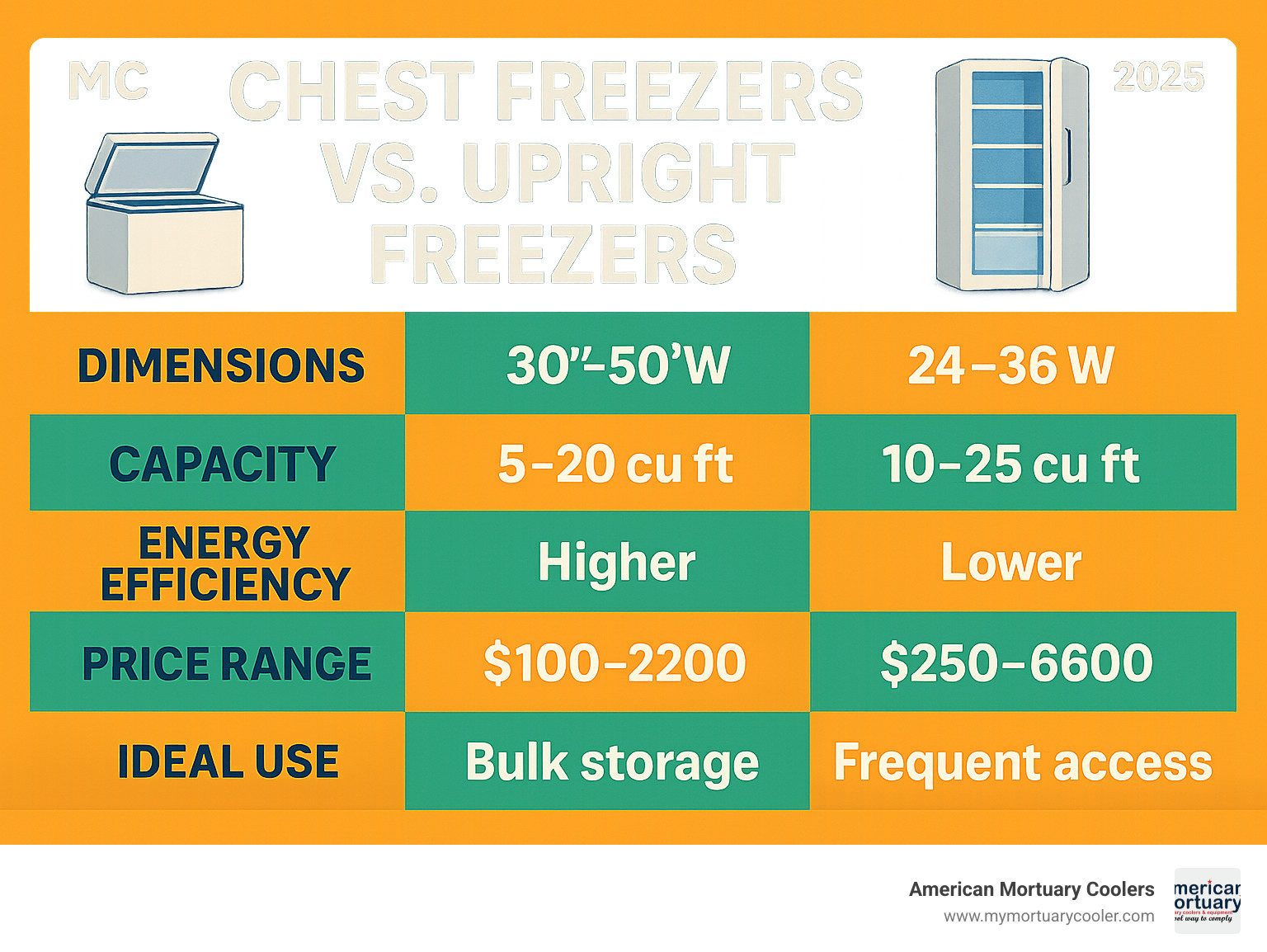
Chest freezers maximize capacity per square foot—but if your space is narrow (under 30″ wide), an upright may fit better despite lower efficiency. For example:
– 30″ wide space: Best fits a 5-cu-ft chest or 7-cu-ft upright
– Corner placement: Uprights win (no rear clearance needed)
– Frequent access: Uprights save time (no digging through layers)
Only choose chest freezers if you prioritize energy efficiency (>20% savings) and infrequent bulk access.
Final Note: Choosing the right chest freezer sizes prevents costly returns and installation headaches. Always prioritize external dimensions over cubic feet claims, and validate space with physical measurements—not just specs online. For ongoing savings, place your freezer in a cool, dry space (like a basement) rather than a hot garage—this reduces energy use by up to 30%. If you’re still unsure between two sizes, opt for the smaller model; it’s easier to add a second freezer later than to resell an oversized unit. Ready to compare exact models? Check our updated guide to top-rated chest freezers with verified dimensions for 2024.