Freezer Compressor Repair Guide
Your freezer suddenly stops cooling, but you can still hear the motor running in the back. The temperature warning light flashes red, and your frozen goods are beginning to thaw. You search online for “freezer compressor repairing” hoping for a quick fix, only to find confusing technical advice that could put you at serious risk. The harsh reality is that freezer compressor issues represent one of the few appliance problems that should almost never be attempted as a DIY repair project. Understanding why compressor repair requires professional expertise—and knowing what you can safely check yourself—will save you time, money, and potentially dangerous situations.
Most homeowners don’t realize that freezer compressors operate within a completely sealed refrigerant system containing pressurized gases and oils. When this system develops problems, the repair process involves specialized tools, EPA-certified refrigerant handling, and electrical expertise that goes far beyond typical DIY capabilities. This guide explains exactly why compressor repair isn’t a weekend project, helps you accurately diagnose whether your compressor is truly the problem, and provides practical steps you can safely take before calling a professional technician.
How to Recognize True Compressor Failure (Not Just a Simple Fix)
Before assuming your compressor has failed, rule out common issues that mimic compressor problems but require much simpler solutions. Many homeowners waste money calling technicians for problems they could have fixed in minutes with basic troubleshooting.
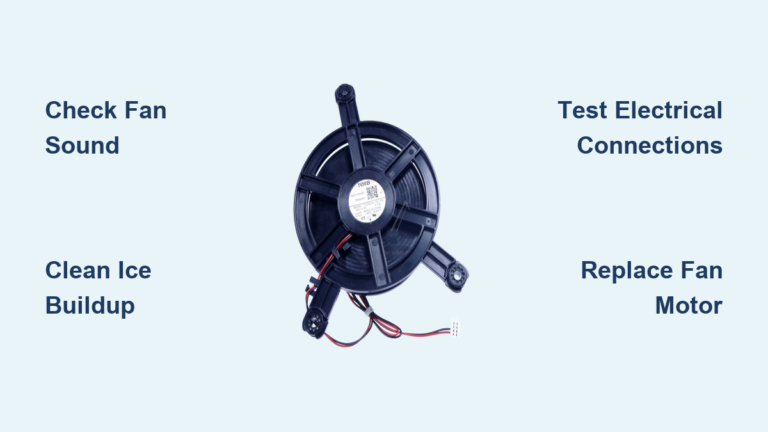
Listen for These Critical Sound Patterns
A healthy compressor makes a consistent humming sound when running, followed by a distinct click when shutting off. Pay attention to these specific audio clues:
- Complete silence when the freezer should be running – Could indicate power issues rather than compressor failure
- Loud humming without cooling – Often points to a failed start component rather than the compressor itself
- Clicking sounds that repeat every few minutes – Typically indicates a faulty start relay or capacitor
- Grinding or screeching noises – Suggests serious internal compressor damage requiring professional assessment
Check These Common False Alarm Triggers First
Many apparent compressor failures actually stem from these easily addressable issues:
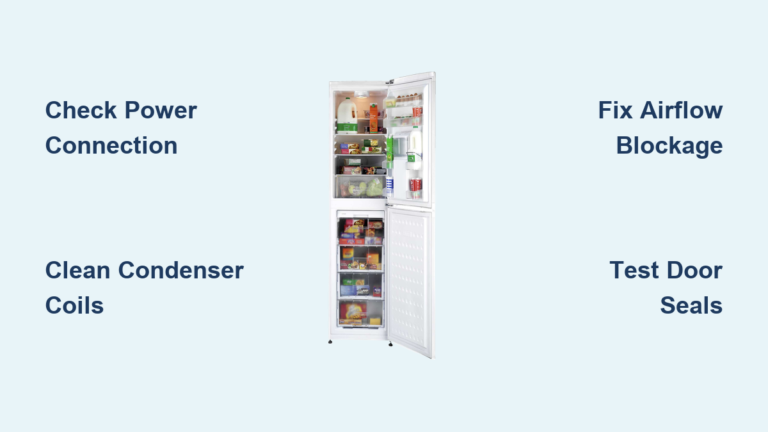
- Power supply problems: Verify the outlet with another appliance and check your circuit breaker
- Dirty condenser coils: Located on the back or bottom of most freezers, clogged coils cause overheating
- Faulty thermostat: Set your freezer to its coldest setting temporarily to test
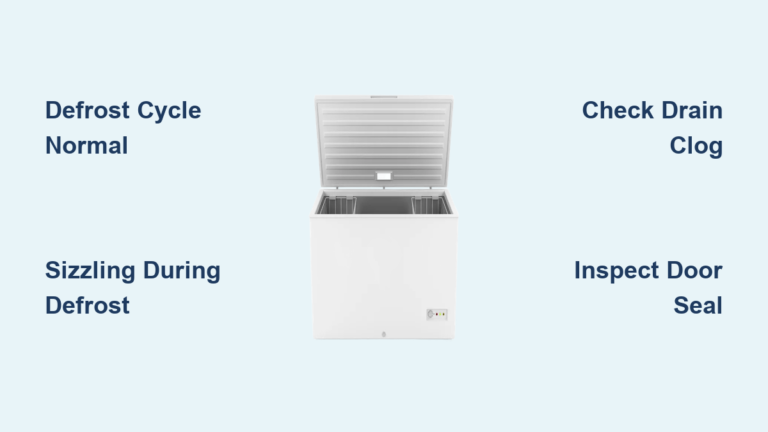
- Defrost system failures: Can mimic compressor issues with excessive frost buildup
Why Compressor Repair Requires Professional Expertise
Attempting compressor repair without proper training creates multiple serious risks that most homeowners don’t anticipate. Unlike other appliance components, the compressor sits at the heart of a complex sealed system that demands specialized knowledge.
Three Non-Negotiable Technical Barriers
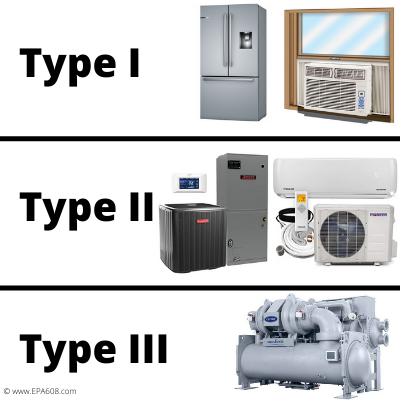
Refrigerant handling regulations – Federal law requires EPA Section 608 certification to legally purchase or handle refrigerants. Unlicensed individuals face significant fines for improper refrigerant recovery. The tiny amounts used in household freezers still require precise measurement—too little refrigerant causes poor cooling, while too much can damage the compressor.
Vacuum pump requirements – Any time the refrigerant system is opened (even for “simple” component replacement), you must pull a deep vacuum to remove moisture. Without proper vacuum pumps and micron gauges, moisture enters the system, creating acid that destroys the new compressor within months.
Hermetic sealing expertise – Unlike car AC systems with accessible connections, freezer compressors use welded copper tubing. Repairing these requires specialized brazing equipment and skills to create leak-proof seals that maintain system integrity under high pressure.
The Hidden Cost Trap of DIY Compressor Replacement
Many online videos show compressor replacement appearing straightforward, but they omit critical steps that make this project financially risky:
- Specialized tools investment: You’ll need refrigerant recovery machines ($500+), vacuum pumps ($300+), and manifold gauges ($150+) just to start
- Refrigerant costs: Small cans sold to consumers contain improper refrigerant mixes that damage systems
- Secondary damage risk: One mistake can contaminate the entire system, requiring complete replacement
- Warranty voidance: Most manufacturers void warranties when systems are opened by unlicensed individuals
What You CAN Safely Do Before Calling a Technician
While you shouldn’t attempt compressor repair yourself, several safe diagnostic steps help determine whether you truly need professional service or can solve the problem with basic maintenance.
Four-Step Compressor Diagnostic Checklist
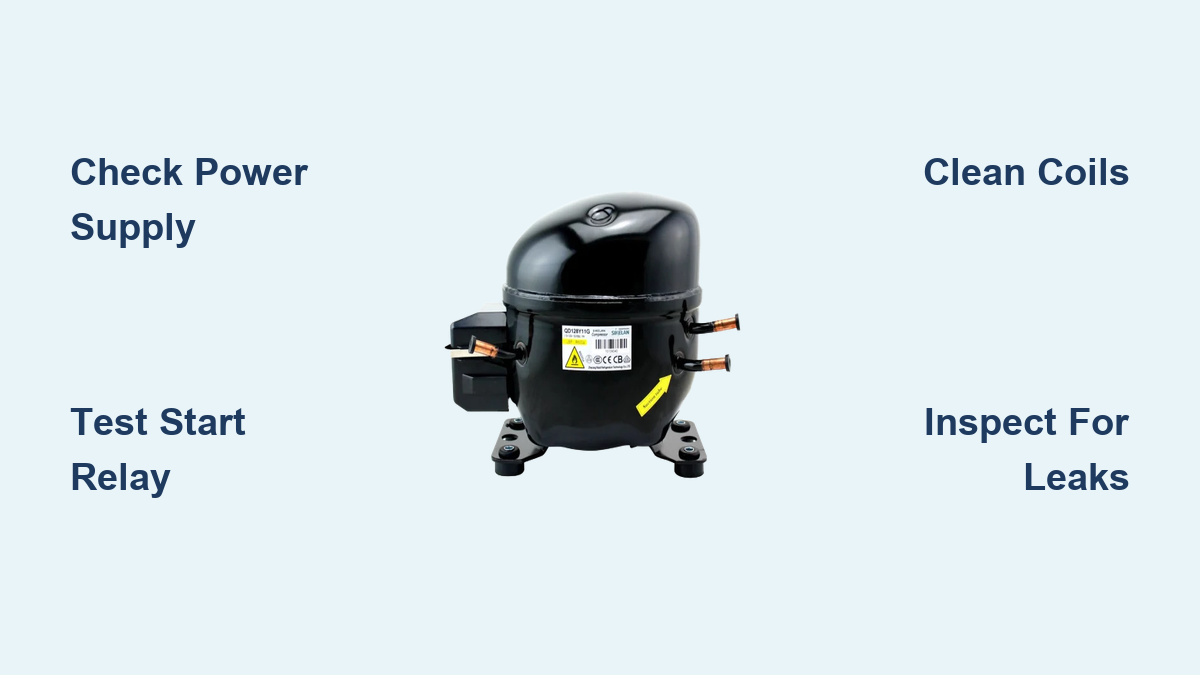
1. Verify power flow to the compressor
– Unplug the freezer and remove the rear access panel
– Use a multimeter to check for 120V at the compressor terminals when the thermostat calls for cooling
– Warning: Never touch electrical components while the unit is plugged in
2. Test the start relay and capacitor
– Locate the small black or white component plugged directly onto the compressor
– Remove it and shake gently—if you hear rattling, it’s failed and needs replacement
– Replacement costs under $30 and requires no system opening
3. Check condenser coil temperature
– With the freezer running, feel the condenser coils (usually on the back)
– They should be warm to hot—completely cold coils indicate refrigerant issues
– Important: Never confuse condenser coils with evaporator coils inside the freezer
4. Measure compressor shell temperature
– A properly functioning compressor will feel hot (140-160°F) during operation
– A cold compressor that’s running indicates serious internal failure
– Use an infrared thermometer rather than touching directly
When Replacement Makes More Financial Sense Than Repair

Compressor repairs often cost 50-70% of a new freezer’s price, making replacement the smarter choice in many situations. Consider these four decisive factors before authorizing a compressor repair.
The Five-Year Rule for Freezer Viability
Freezers typically last 14-20 years with proper maintenance. If your unit is:
- Under 5 years old: Repair usually makes financial sense
- 5-10 years old: Calculate repair cost versus new energy-efficient model
- Over 10 years old: Replacement often better long-term investment
Three Warning Signs That Warrant Replacement
Refrigerant leaks – If dye or oil streaks appear near copper lines, the entire system may be compromised
Rust damage – Significant rust on the compressor shell indicates advanced age and potential failure
Repeated failures – A second compressor failure suggests underlying design issues
Preventing Compressor Failure Through Proper Maintenance

While you can’t prevent all compressor failures, proper maintenance dramatically extends compressor life and prevents many common issues that mimic compressor problems.
Monthly Maintenance Routine
- Clean condenser coils with a brush vacuum attachment (dirty coils cause 30% of apparent compressor failures)
- Verify proper clearance (2-3 inches on sides, 4+ inches at top) for adequate airflow
- Check door seals by closing a dollar bill in the door—if you can pull it out easily, replace the gasket
- Monitor temperature with an independent thermometer to catch issues early
Annual Professional Checkup Benefits
Schedule a technician visit every 12-18 months for:
– Refrigerant level verification
– Electrical component testing
– System pressure checks
– Lubricant analysis
Final Note: Freezer compressor repairing remains one of the few appliance tasks that should almost always be left to certified professionals due to technical complexity, legal requirements, and safety risks. Focus your efforts on proper maintenance and early diagnosis of simpler issues, and consult a licensed technician when true compressor problems arise. Remember that when repair costs exceed 50% of a new unit’s price—especially for freezers over seven years old—replacement often proves the wiser investment for both your wallet and the environment. Always prioritize safety over savings when dealing with sealed refrigerant systems.