How to Freeze Carrots: Easy Prep Guide
Nothing beats having garden-fresh carrots available year-round for soups, stews, and baked goods. Learning how to prepare carrots for freezer storage properly transforms your meal planning and reduces food waste significantly. Whether you’ve harvested an abundance from your garden or scored a great deal at the market, freezing preserves carrots’ nutritional value while keeping them ready for immediate use. The right preparation method makes all the difference between rubbery, flavorless frozen carrots and vibrant, delicious ones that taste fresh months later. This guide reveals the exact steps professional food preservers use to freeze carrots successfully, including when to blanch and how to avoid common pitfalls that ruin texture and flavor.
Most home cooks make critical mistakes when freezing carrots that compromise quality—like skipping the essential blanching step or failing to remove moisture properly. But with the right techniques, you’ll have perfectly preserved carrots ready for any recipe. Follow these methods to enjoy farm-fresh flavor in your winter meals without the mushy texture that plagues improperly frozen carrots.
Select Prime Carrots for Freezing Success
Your frozen carrots’ quality starts with choosing the right specimens. Opt for young, tender carrots that are firm and brightly colored with no signs of limpness, cracks, or discoloration. Medium-length carrots typically yield the best frozen results as they’re less likely to be woody compared to larger, mature carrots. If purchasing carrots with greens attached, remove the tops immediately—they draw moisture from the roots, causing carrots to become rubbery in storage.
The size matters less than freshness when preparing carrots for freezer storage. Small baby carrots freeze beautifully whole, while larger ones need cutting into uniform pieces. Avoid carrots showing white, dried-out patches, which indicate age and moisture loss. These may technically be safe to freeze but will disappoint in both texture and flavor when you finally use them months later. Remember: frozen carrots won’t improve in quality—they only maintain what you start with.
Wash Carrots Thoroughly Before Freezing
Skipping proper washing introduces dirt and bacteria into your freezer that compromise both safety and quality. Garden-fresh carrots require special attention—start with an outdoor rinse to remove heavy soil before bringing them inside. Then scrub each carrot vigorously under running water using a vegetable brush, paying special attention to the crevices near the top where soil accumulates.
Should you peel carrots before freezing? Most preservation experts recommend against it. The skin contains concentrated nutrients and antioxidants, and peeling adds unnecessary time for most cooking applications. Only peel if your intended recipes specifically require it or if the carrots have significant blemishes. Scrubbing well preserves nutritional value while ensuring cleanliness—just make sure no grit remains in those stubborn root crevices.
Cut Carrots to Recipe-Ready Sizes
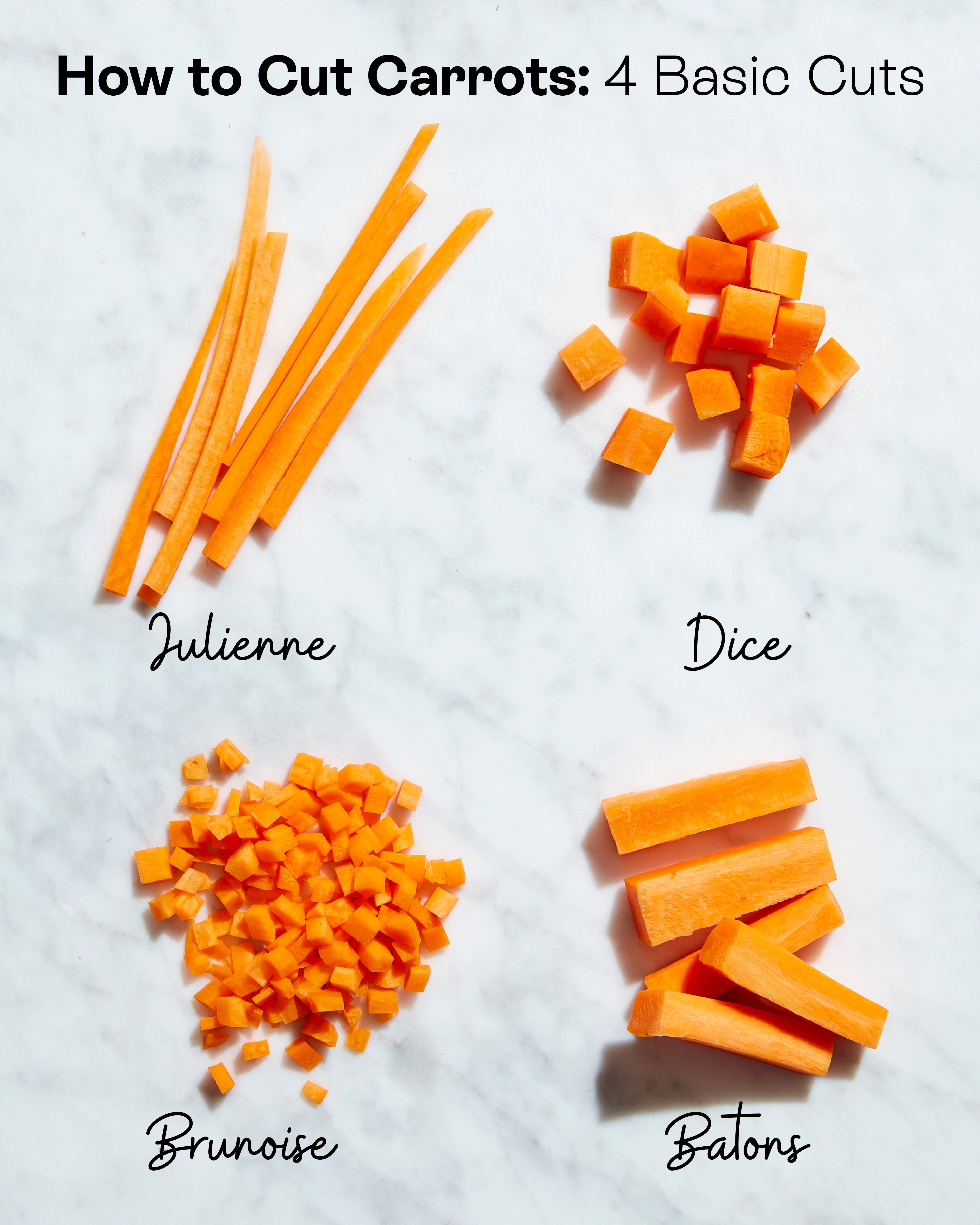
Cutting carrots to match your cooking habits saves time later and ensures even freezing. For baby carrots, freeze whole with no cutting needed. Larger carrots offer multiple cutting options depending on your typical recipes:
- Quarter-inch thick coins work best for soups, stews, and roasting
- Half-inch cubes excel in casseroles and stir-fries
- Lengthwise spears provide elegant presentation for side dishes
- Julienne strips shine in Asian-inspired recipes
- Shredded carrots serve perfectly for baking and smoothies
Use the right tool for efficient preparation. A food processor with slicing attachment handles large batches quickly, while a mandolin ensures uniform thickness. For small quantities, a sharp chef’s knife gives precise control. When shredding for baking, portion into one- or two-cup containers since shredded carrots freeze solid—this lets you grab exactly what you need for that spontaneous carrot cake craving.
Perfect the Blanching Technique for Quality Preservation

Blanching isn’t optional if you want carrots that taste fresh after freezing. This critical step deactivates enzymes that cause flavor loss, color fading, and texture degradation even at freezing temperatures. Properly blanched carrots maintain vibrant orange color and sweet flavor for up to 12 months, while unblanched carrots decline noticeably within months.
Follow these precise blanching times based on cut size:
– Sliced or diced (¼-inch): 2 minutes boiling water
– Thicker coins or spears: 3 minutes
– Whole baby carrots: 5 minutes
– Shredded carrots: 1 minute
Bring a large pot of water to rolling boil (use 4 quarts water per pound of carrots), add carrots, and start timing once water returns to boil. Never add salt—it affects texture. Use a wire skimmer for quick transfer to ice water immediately after timing ends. For multiple batches, return water to full boil before adding next batch.
Cool Blanched Carrots in Ice Water Bath
Rapid cooling stops the cooking process and preserves crisp texture. Prepare your ice bath before starting—fill a large bowl with equal parts ice and cold water. Immediately transfer blanched carrots from boiling water to ice bath using your wire skimmer.
The cooling time matters less than ensuring complete temperature drop. Let carrots soak 3-5 minutes until thoroughly cold throughout—test by feeling a piece to confirm it’s cold to the center. For large batches, refresh the ice bath between batches to maintain freezing temperature. Snow makes an excellent alternative to ice when available, providing superior cooling capacity for serious home preservers.
Dry Carrots Completely Before Freezing
Excess moisture causes freezer burn and ice crystals that ruin texture. After draining in a colander, spread blanched carrots in single layer on towel-lined baking sheets. Pat dry gently with clean kitchen towels—paper towels work but may leave lint. Allow 30-60 minutes for thorough drying, using a fan to circulate air if needed.
This step is non-negotiable whether you blanch or freeze raw. Moisture on the surface becomes ice crystals in the freezer, damaging cell structure. Never pack warm carrots—they’ll create condensation inside containers. Verify carrots are completely cool to the touch before proceeding to packaging. Your patience here pays off with superior texture months later when you finally use them.
Flash Freeze Carrots for Individual Portions
Skipping flash freezing guarantees clumped, unusable batches. Spread dried carrots in single layer on baking sheets, ensuring pieces don’t touch. Freeze 1-2 hours until solid, then transfer to freezer bags or containers. This simple step lets you grab exactly what you need—no more wrestling with solid blocks of frozen carrots.
For portion control, freeze in recipe-sized amounts: 3-4 cups for family meals, 1 cup for single servings. Remove all air from bags using the straw method—seal almost completely, insert straw, suck out air, then finish sealing. Vacuum sealing provides the gold standard for air removal if you freeze large quantities regularly. Press plastic wrap directly onto carrot surfaces in rigid containers to minimize air exposure.
Store Carrots Using Proper Freezing Methods
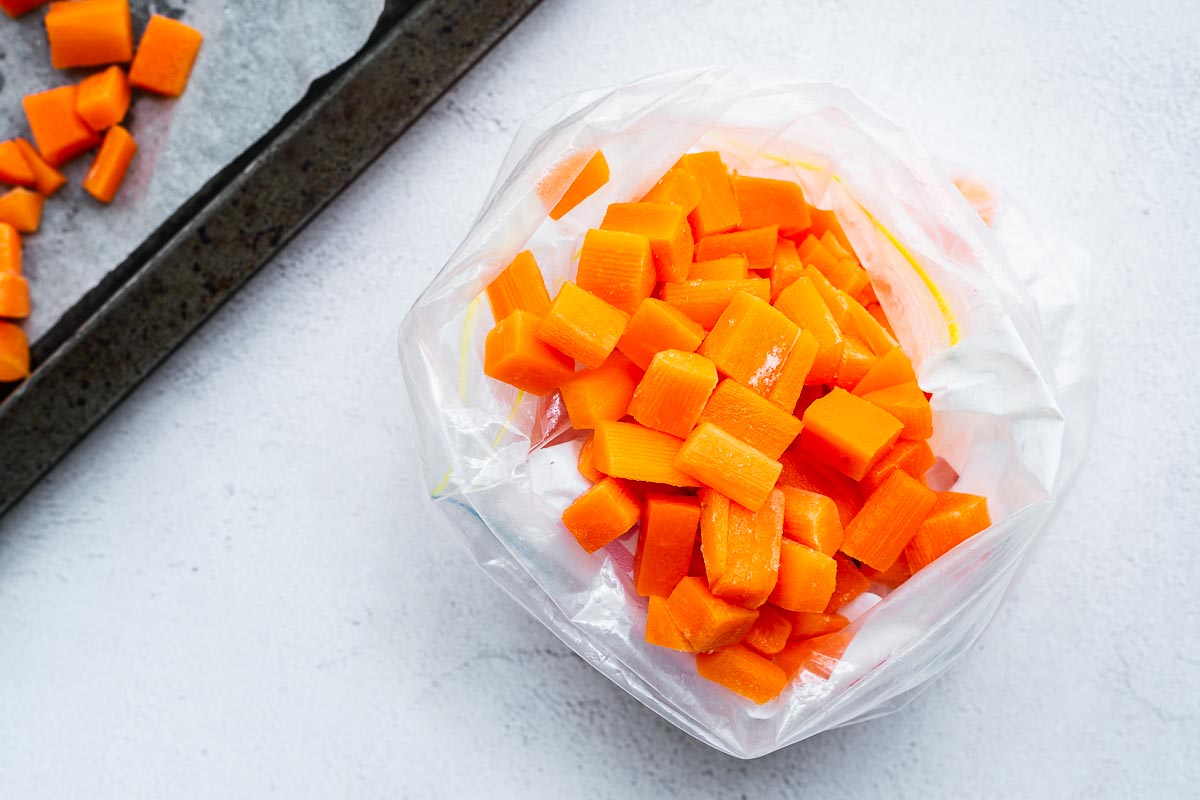
Blanched carrots maintain peak quality for 12 months when stored at 0°F or below. Unblanched carrots last only 2-3 months before noticeable quality decline. Cooked carrots have the shortest shelf life at 3-5 months. Label all containers with date and “use by” timeframe—many home preservers keep a freezer inventory list to rotate stock properly.
Freezer burn appears as dry, discolored patches caused by air exposure. Prevent it by ensuring thorough drying, removing air from packaging, and maintaining consistent freezer temperature. If freezer burn occurs, simply trim affected areas before cooking—only the surface is compromised. Properly stored blanched carrots remain safe indefinitely but decline in quality after their optimal storage window.
Skip Blanching with Raw Freezing Method
When time is limited, raw freezing works for short-term storage. Wash and dry carrots thoroughly, cut to size, and freeze using the flash freezing method. These carrots work best in soups, stews, or smoothies where texture matters less, but won’t match blanched quality.
Raw frozen carrots become rubbery if stored beyond 3 months. They’re unsuitable for applications requiring crisp texture like crudité platters. Reserve this method for emergency preservation when you lack time for proper blanching—never as your standard approach if you care about quality. The extra 15 minutes blanching requires pays huge dividends in flavor and texture months later.
Thaw and Cook Frozen Carrots Correctly
Most recipes work better with frozen carrots added directly—no thawing needed. For soups and stews, toss them straight into the pot; they’ll cook as the dish simmers. If thawing is necessary, refrigerate overnight for safest results. Never thaw at room temperature where bacteria can grow.
The cardinal rule: avoid overcooking. Frozen carrots cook faster than fresh—reduce cooking time by one-third. Check for doneness frequently with a fork; they’re ready when tender but still hold shape. Roasting at high heat (425°F) helps develop caramelization that masks any textural differences. Whether sautéing, microwaving, or air frying, treat frozen carrots gently for best results.
Having perfectly prepared frozen carrots transforms your cooking experience year-round. By following these precise methods for how to prepare carrots for freezer storage, you’ll enjoy vibrant, flavorful carrots in every seasonal dish while reducing food waste and grocery costs. The small investment in proper blanching and packaging pays enormous dividends when winter cravings strike for that homemade carrot soup or fresh-baked carrot cake. Start preserving today and discover why properly frozen carrots consistently outperform store-bought alternatives in both flavor and nutrition.