How to Dispose of a Freezer: Easy Steps
Tossing your old freezer at the curb could land you a hefty fine while harming the environment. Federal law requires professional removal of refrigerants and oils before disposal—these chemicals can’t simply be dumped like regular trash. If you’re replacing a freezer over ten years old, you’re sitting on a hidden treasure: more than 120 pounds of recyclable steel that could earn you cash back through proper disposal channels. This guide reveals seven legitimate ways to dispose of your freezer responsibly while potentially putting $20-$100 in your pocket, avoiding environmental violations, and ensuring your appliance gets processed correctly instead of ending up in a landfill.
Most homeowners don’t realize that improperly disposed freezers release ozone-depleting refrigerants and greenhouse gases from foam insulation. When handled correctly through certified programs, nearly 95% of your old appliance gets recycled—steel returns to manufacturing, plastics get repurposed, and harmful chemicals get safely captured. Understanding how to dispose of a freezer properly transforms what seems like a chore into an opportunity to protect the environment while possibly earning money for your effort.
Claim $35 Cash Back from Utility Companies for Freezer Disposal
Electric utilities across the country pay homeowners to remove energy-guzzling freezers from circulation because older models can consume three times more electricity than modern units. These programs directly reduce strain on the power grid while lowering your community’s carbon footprint—and they’ll pay you for participating.
How to Qualify for Utility Company Freezer Recycling
Contact your local electric provider or state energy office to confirm eligibility requirements in your area. Most programs accept freezers manufactured before 2010 that are still operational, though some accept non-working units. You’ll typically need to provide proof of residency and ownership. The process usually involves scheduling a convenient pickup time—often within 48 hours of your request—where a certified technician arrives to collect your appliance at no cost to you.
What Happens During Utility Company Pickup
On collection day, technicians follow a strict protocol: they verify the appliance meets program criteria, disconnect power if still connected, and transport your freezer to a RAD (Responsible Appliance Disposal) certified facility. These EPA-partnered centers ensure refrigerants get recovered using EPA-approved equipment, foam insulation blowing agents get captured, and all metals enter proper recycling streams. You’ll receive your cash payment or utility credit immediately upon pickup—no waiting for checks in the mail.
Get $50 Off New Freezer When Retailers Recycle Your Old Unit
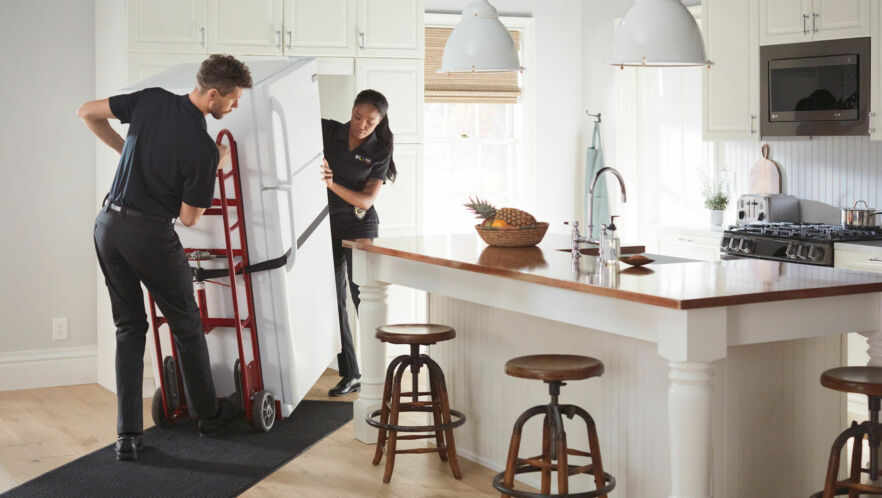
Major appliance retailers like Best Buy, Lowe’s, and Home Depot offer free pickup and recycling of old freezers when you purchase a new model, often bundling this service with exclusive rebates that can save you up to $100 on your new appliance. This streamlined approach eliminates the hassle of arranging separate disposal while guaranteeing environmental compliance.
Choosing the Right Retailer Recycling Program
Not all retailer programs provide equal value—some simply resell your old freezer as “refurbished” units, defeating the purpose of responsible disposal. Ask specific questions before committing: “Do you physically destroy the compressor to prevent resale?” and “Are you a certified EPA RAD partner?” Certified partners follow strict protocols including refrigerant recovery, foam insulation processing, and proper handling of PCBs and mercury components. Request written confirmation of their recycling procedures before handing over your appliance.
Timing Your Purchase for Maximum Rebate Value
Retailer recycling incentives often align with seasonal promotions and manufacturer rebate periods. Major holidays like Memorial Day, Fourth of July, and Labor Day typically feature enhanced recycling credits alongside appliance sales. Some manufacturers run special programs during ENERGY STAR weeks in spring and fall. Call multiple retailers to compare current offers—sometimes the same store provides different rebates online versus in-store. You might find an additional $25-$50 in savings by timing your purchase strategically.
Schedule Free Freezer Pickup with City Bulk Trash Services
Most municipalities now offer scheduled bulk item collection that includes freezers and refrigerators, though specific procedures vary dramatically between cities. Some communities provide quarterly pickup days where you simply place your appliance curbside, while others require advance registration, special permits, or disposal tags that cost $5-$20.
Finding Your City’s Freezer Disposal Rules
Contact your local waste management department directly or check their website for exact requirements—don’t rely on general online advice. Search “[Your City] bulk appliance pickup” for the most current information. Many cities require you to leave doors open on collected freezers to prevent child entrapment hazards, while others mandate door removal before collection. Some jurisdictions prohibit placing appliances curbside more than 24 hours before scheduled pickup to avoid neighborhood eyesores.
Avoiding Common Municipal Disposal Mistakes
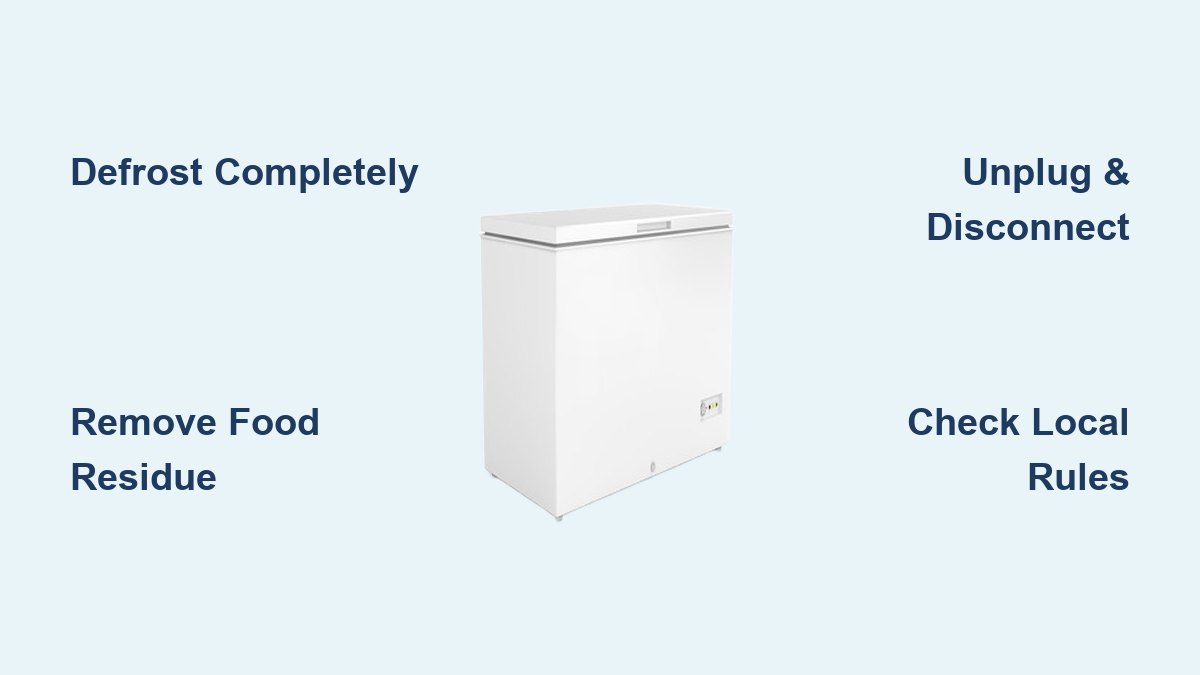
The most frequent reason for rejected freezer pickups is failure to properly prepare the appliance. Municipal guidelines typically require complete defrosting (at least 24 hours before pickup), removal of all food residue, and disconnecting from power sources. Some cities require you to tape a note to the appliance confirming refrigerant removal—though most municipal programs handle this step themselves through contracted recyclers. Always double-check your city’s specific requirements to avoid having your freezer left behind.
Sell Your Freezer for $20-50 to Local Scrap Metal Recyclers
Thousands of scrap metal facilities nationwide pay cash for old freezers based on their steel content—typically $20-$50 depending on current metal prices. Unlike curbside disposal options, scrap recyclers put money directly in your pocket while ensuring proper environmental processing through licensed facilities.
Finding Reputable Scrap Metal Recyclers
Search “appliance recycling near me” to locate certified facilities in your area. Call ahead to confirm they accept freezers and ask specifically: “Do you handle refrigerant recovery on-site?” Responsible recyclers will have EPA-certified technicians who recover refrigerants before crushing appliances. Avoid any facility that offers same-day cash without mentioning refrigerant handling—this indicates illegal dumping practices that could make you liable for environmental violations.
Maximizing Your Scrap Metal Payout
Scrap metal prices fluctuate daily based on global markets, so check current rates before delivering your freezer. Some recyclers pay more for appliances with intact compressors since they contain additional copper. Remove any non-metal components like plastic shelves or rubber seals beforehand to avoid deductions. If your freezer is too heavy to transport, ask about pickup services—some recyclers offer free hauling for multiple appliances or charge minimal fees that still leave you with net profit after scrap value.
Prevent 140 lbs of Steel from Landfills Through Proper Disposal
A single properly recycled freezer prevents more than 120 pounds of steel from entering landfills while capturing harmful refrigerants that would otherwise deplete the ozone layer. Modern refrigerants like R-134a have global warming potentials thousands of times greater than carbon dioxide—releasing just one pound equals driving 600 miles in an average car.
How Refrigerant Recovery Protects the Environment
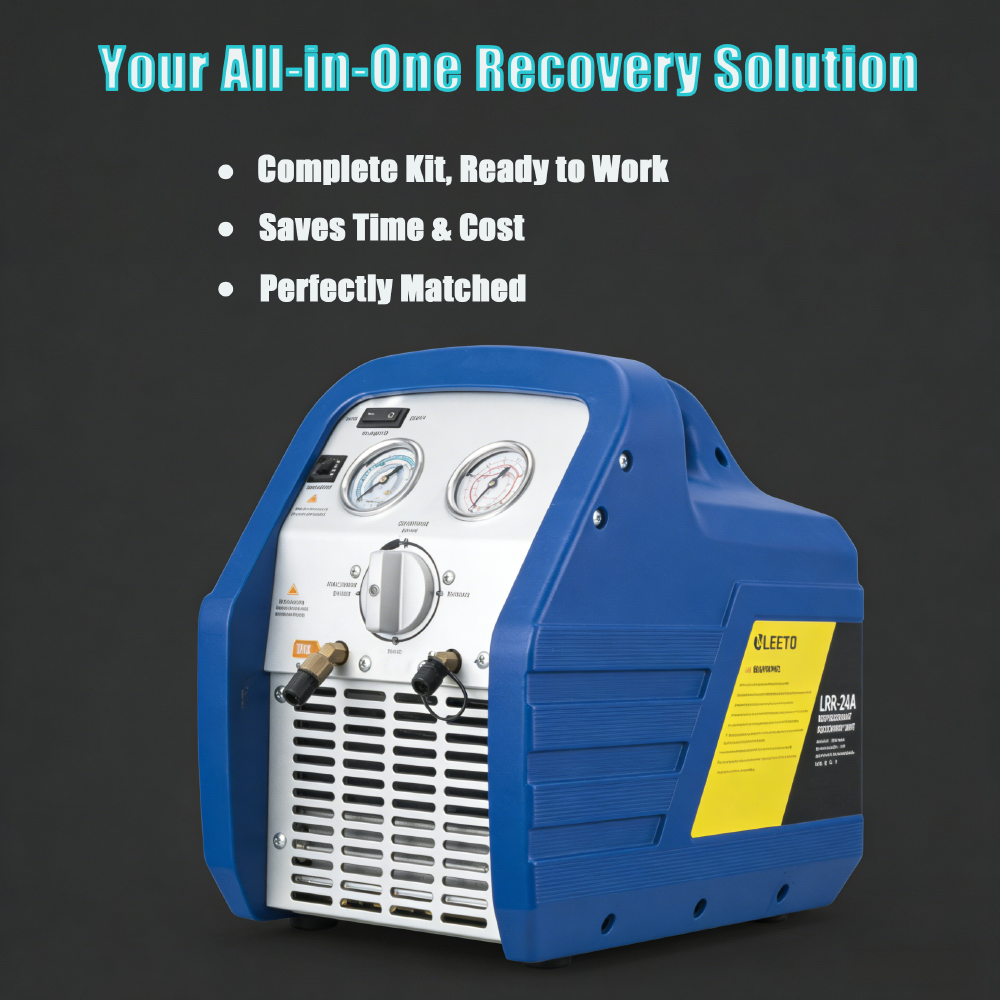
Certified disposal facilities use specialized equipment to extract refrigerants through the compressor service valves. The captured refrigerant gets either destroyed through high-temperature incineration or purified for reuse in new appliances. This process prevents ozone depletion while reducing greenhouse gas emissions. RAD Program partners go further by capturing foam insulation blowing agents that contribute significantly to climate change when released.
The Steel Recycling Impact You’re Making
When your freezer enters proper recycling channels, its steel chassis gets shredded and melted down to create new products—from car parts to construction materials—using 75% less energy than producing virgin steel. Each recycled freezer saves approximately 2,500 pounds of iron ore, 1,400 pounds of coal, and 120 pounds of limestone from being mined. That’s enough raw material to build a modern car’s frame—meaning your old appliance directly contributes to manufacturing new products through circular economy principles.
5-Minute Freezer Prep Checklist Before Disposal Day
Proper preparation ensures smooth pickup regardless of your disposal method. Start by unplugging your freezer and removing all contents—including ice buildup and food residue. Leave doors open for 24-48 hours to complete defrosting, placing towels underneath to catch melting ice. Most programs require this step to prevent water damage during transport.
Critical Safety Steps Before Freezer Disposal
Use a screwdriver to remove door hinges if your disposal program requires it—store screws in a labeled bag taped to the appliance. Check for child safety warnings inside the unit and remove them to prevent future hazards. Some municipalities require you to cut power cords to prevent electrical hazards, while others prefer cords left intact for technician handling. When in doubt, leave cords attached but clearly marked as disconnected.
Documentation You Must Keep for Freezer Disposal
Retain proof of proper disposal through receipts, confirmation numbers, or photos of your appliance being loaded for transport. Some utility rebate programs require documentation for payment processing, while tax-deductible donation programs need official receipts. Keep these records for at least one year in case of environmental compliance inquiries—improper disposal can carry fines up to $37,500 per violation under EPA regulations.
Double Your Freezer Disposal Payout: Timing Tips That Work
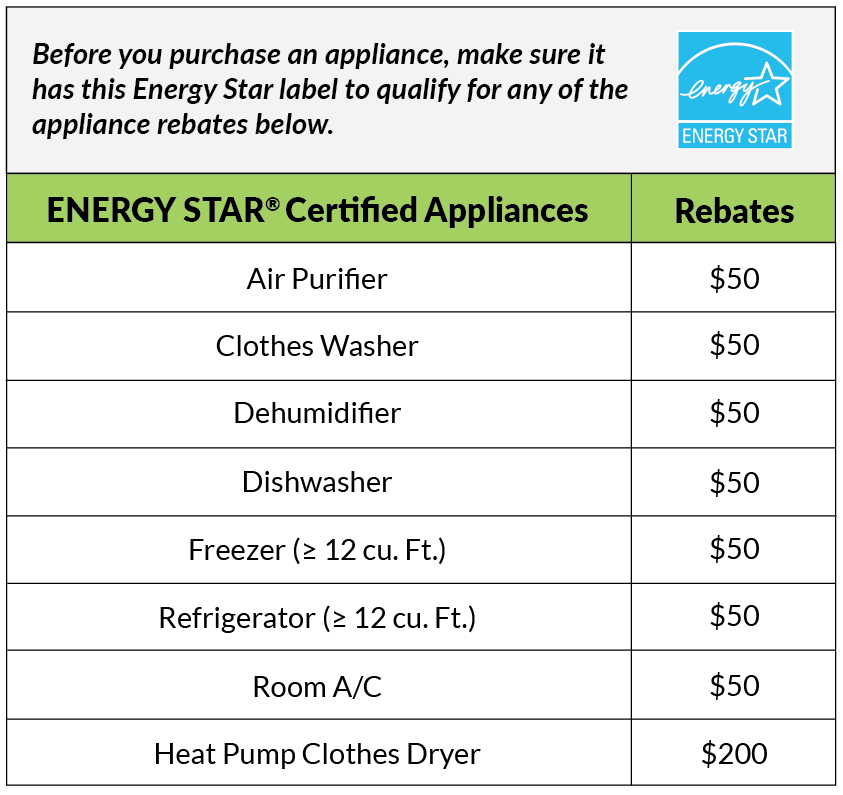
Strategic timing can significantly increase your financial return from freezer disposal. Utility companies often boost rebate amounts during periods of high energy demand—typically late summer when air conditioning strains the grid. Some programs offer double payments for early participation in seasonal initiatives, paying $75 instead of $35 for the first 100 appliances collected.
Combining Multiple Disposal Incentives Legally
You can legally stack certain incentives for maximum value. For instance, use a utility company pickup program to earn cash while simultaneously qualifying for a retailer rebate when purchasing your new freezer. Some states offer additional tax credits for ENERGY STAR appliance purchases that include disposal rebates. Always disclose previous disposal arrangements to avoid duplicate payments, but don’t hesitate to combine complementary programs that serve different purposes.
When to Avoid Rushing Freezer Disposal
Never dispose of a freezer that still functions well—consider selling it privately for $50-$150 through Facebook Marketplace or Craigslist. If your freezer develops a minor issue like a faulty thermostat, repair costs often run under $100, extending its life for several more years while avoiding disposal hassles. Wait until your appliance consistently fails to maintain freezing temperatures (above 20°F) or shows excessive frost buildup before initiating disposal—premature disposal wastes resources and potential earnings.
Proper freezer disposal ultimately serves three critical purposes: protecting the environment from harmful chemicals, recovering valuable resources for manufacturing, and potentially putting money in your pocket. By understanding these legitimate disposal pathways and selecting the option that maximizes convenience and compensation for your situation, you transform what seems like a chore into a meaningful environmental action that benefits both your community and your wallet. The next time you face freezer replacement, remember that responsible disposal isn’t just an obligation—it’s an opportunity to make a positive impact while possibly earning cash back.