Beko Freezer Fan Not Working: Quick Fix Guide
When your Beko freezer fan stops circulating air, the entire appliance suffers. Without proper airflow, temperatures become inconsistent throughout the compartment, certain sections warm considerably while others develop excessive frost, and your food storage conditions become unreliable. This comprehensive troubleshooting guide walks you through the diagnostic process, helping you identify whether the issue stems from a simple airflow obstruction or requires professional service intervention.
The internal circulation fan plays a critical role in your freezer’s operation. This component moves cold air from the evaporator coils throughout the storage compartment, ensuring consistent temperatures in every corner of the cabinet. When the fan fails or becomes impaired, you may notice warm spots near the top of the freezer, unusual clicking or buzzing sounds from the rear compartment, frost accumulating in abnormal patterns, or complete silence where you previously heard the gentle hum of circulating air.
Before assuming the worst, work through this systematic diagnostic process. Many apparent fan failures actually stem from correctable issues such as blocked airflow passages, excessive frost accumulation, or compromised door seals. By methodically eliminating these possibilities, you can either resolve the problem yourself or confidently determine when professional service is necessary.
Confirm Electrical Power and Basic Freezer Functionality
Before diving into complex diagnostics, verify your Beko freezer is receiving proper electrical power. Accidental disconnection represents the most common cause of apparent fan failure. Start by checking that the power cord is securely plugged into a functioning wall outlet—don’t just glance at it, physically unplug and reinsert the cord to ensure proper contact.
Listen carefully for the characteristic humming sound of the compressor cycling on and off. If you hear this sound but no fan operation, you’re likely dealing with a fan-specific issue. If you hear nothing at all, the problem may be electrical or compressor-related rather than solely a Beko freezer fan not working situation. Pro Tip: Test the outlet with another appliance to confirm it’s delivering power properly.
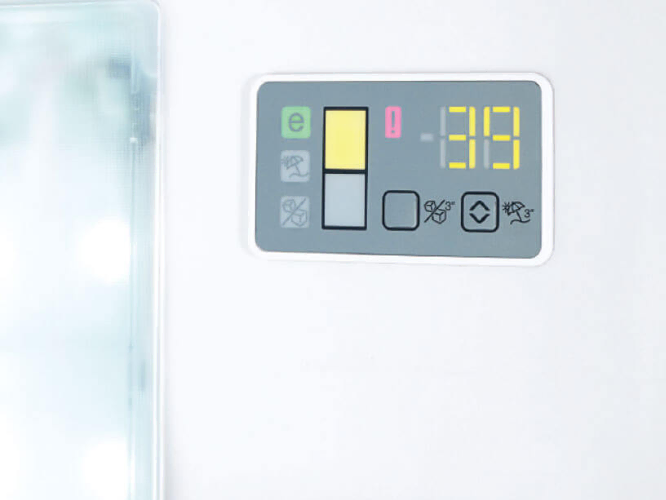
Examine your control settings to ensure the thermostat hasn’t been accidentally turned to “off” or a warmer setting during routine cleaning or restocking. Many users overlook this simple check, mistaking a setting change for mechanical failure. If your model has digital controls, verify the display is illuminated and functioning correctly. If the display is dark but the outlet tests fine, you may have a more serious electrical issue requiring professional attention.
Clear Airflow Obstructions Around Vent Openings
Your Beko freezer requires unobstructed pathways for air to circulate properly throughout the cabinet. When items are packed too tightly against walls or positioned directly over vent openings, the fan must work harder to maintain consistent temperatures, sometimes causing it to shut down as a safety measure.
Remove all items stored directly against the freezer walls and ceiling, paying special attention to areas near visible vents. Rearrange contents to maintain at least 2 inches of clearance around all interior surfaces. Critical Warning: Never block the rear or top vents where most Beko models direct airflow from the evaporator coils.
After clearing obstructions, wait 2-3 hours before rechecking temperatures. Proper airflow restoration often resolves what initially appears to be a Beko freezer fan not working problem. If temperatures normalize and you hear consistent fan operation, you’ve solved the issue without costly repairs.
Clean Condenser Coils to Prevent Overheating

Dirty condenser coils force your Beko freezer to work harder, potentially causing the fan to cycle abnormally or shut down completely. Located either at the back or underneath the front grille, these coils release heat extracted from your freezer’s interior.
Unplug your appliance and locate the condenser coils according to your model specifications. Use a soft-bristle appliance brush (not a stiff wire brush) to gently remove accumulated dust and debris. For coils at the bottom, vacuum with the brush attachment on low suction to avoid damaging delicate fins.
Pro Tip: Clean condenser coils every 3-6 months depending on your home environment—more frequently if you have pets or live in a dusty area. Dirty coils can mimic Beko freezer fan not working symptoms by causing the entire system to overheat and shut down.
Defrost Excessive Ice Buildup Around Fan Housing
Thick frost accumulation around the evaporator coils or fan housing physically blocks airflow and can freeze fan blades in place. If your Beko freezer isn’t a frost-free model, manual defrosting becomes essential maintenance.
Unplug the freezer and remove all contents, placing perishables in a cooler. Leave the door open and place towels around the base to absorb melting water. For faster results, place shallow bowls of warm water inside the cabinet, but never use sharp tools to chip away ice, as this can damage internal components.
Allow 6-12 hours for complete defrosting, then thoroughly dry all surfaces before reconnecting power. If frost returns rapidly after defrosting, your automatic defrost system likely needs professional attention rather than just addressing the Beko freezer fan not working issue.
Test and Repair Damaged Door Seals
Compromised door seals allow warm, humid air to infiltrate your Beko freezer, causing excessive frost buildup that can obstruct fan operation. Test seal integrity by closing the door on a dollar bill at various points around the perimeter—if it slides out easily, the seal isn’t tight enough.
Clean gaskets with mild soapy water and a soft cloth to remove debris preventing proper sealing. For minor gaps, gently stretch the seal away from the door frame using your fingers to improve contact with the cabinet. Replace torn, cracked, or permanently deformed seals with genuine Beko parts to prevent ongoing issues that mimic Beko freezer fan not working symptoms.
Time-Saver: Apply a small amount of petroleum jelly to clean gaskets to maintain flexibility and improve sealing—just don’t overdo it, as excess can attract dirt.
Diagnose Specific Fan Motor Problems
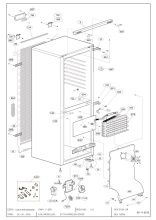
When basic troubleshooting fails, it’s time to examine the fan motor itself. Unplug the freezer and locate the fan housing behind the rear interior panel. Manually rotate the fan blades—if they don’t spin freely, frost or debris is likely binding them.
Listen for unusual sounds when powering on:
– Clicking without rotation: Possible capacitor failure
– Humming without movement: Motor likely seized
– Grinding noises: Bearing failure requiring replacement
Critical Warning: Never attempt to lubricate fan bearings—modern freezer fans use sealed bearings that cannot be serviced. If the fan shows physical damage or doesn’t operate after clearing obstructions, replacement is necessary.
Check Ambient Temperature Requirements
Beko freezers operate within specific ambient temperature ranges, typically between 50-110°F (10-43°C). Installing your unit in an unheated garage or basement where temperatures fall outside this range can cause operational issues mistaken for fan failure.
If your freezer is in a location prone to temperature extremes, monitor the surrounding air temperature. Models designed for indoor use may struggle in environments below 50°F, causing the compressor to cycle erratically and the fan to operate inconsistently.
Relocate your freezer to a climate-controlled space if possible, or consult your manual for models specifically designed for garage or basement installation with wider operating temperature ranges.
Determine When Professional Service Is Needed
While many Beko freezer fan not working issues can be resolved through DIY troubleshooting, certain situations require professional intervention:
- Electrical problems involving wiring or control boards
- Persistent frost buildup indicating defrost system failure
- Refrigerant leaks requiring EPA-certified handling
- Fan motor replacement requiring specialized tools
Expert Note: If your freezer is under warranty, attempting DIY repairs on electrical components may void coverage. Always consult an authorized Beko service technician for complex issues to maintain warranty protection.
Prevent Future Fan Failures with Regular Maintenance
Establish these simple habits to avoid recurring Beko freezer fan not working problems:
- Clean condenser coils every 6 months
- Leave adequate space between stored items for airflow
- Check door seals monthly for damage
- Defrost manual models before ice exceeds ¼ inch thickness
- Keep the freezer at least ⅔ full for optimal air circulation
Pro Tip: Place a small thermometer in various spots inside your freezer weekly to monitor temperature consistency—this early warning system detects problems before they escalate.
When your Beko freezer fan stops working, systematic troubleshooting often reveals simple solutions rather than catastrophic failures. By verifying power, clearing obstructions, maintaining clean coils, addressing frost buildup, and checking door seals, you can resolve most apparent fan malfunctions without professional help. Remember that regular maintenance prevents 80% of common issues that mimic Beko freezer fan not working symptoms. If basic diagnostics don’t restore normal operation, consult an authorized Beko service technician with your model and serial numbers ready—they can efficiently diagnose whether you need a simple fan replacement or more complex system repairs. Proper care extends your freezer’s lifespan significantly, protecting both your appliance investment and the frozen foods you rely on daily.