Samsung Freezer Not Cooling? Fix It Fast
Your Samsung freezer suddenly stops cooling while the refrigerator compartment continues running normally. You open the freezer door to find thawing food, puddles of water on the shelves, and that unmistakable warm air where icy temperatures should be. This frustrating scenario affects thousands of Samsung refrigerator owners each year, leaving them wondering why their freezer compartment failed while the rest of the appliance seems functional. Understanding the specific reasons behind this common Samsung freezer failure pattern can save you time, money, and spoiled groceries. This guide provides actionable steps to diagnose and potentially resolve your Samsung freezer issue without immediately calling for professional service.
Power Supply Issues Causing Samsung Freezer Failure
Before diving into complex repairs, verify the most basic element—your freezer’s power connection. Many “Samsung freezer stopped working” cases turn out to be simple power interruptions that owners overlook in their panic over thawing food.
Check Electrical Outlet Functionality
Test the outlet powering your Samsung refrigerator by plugging in another device like a lamp or phone charger. If the test device doesn’t work:
– Check your home’s circuit breaker panel for a tripped switch
– Verify the outlet hasn’t been accidentally switched off
– Examine the power cord for visible damage near the plug or where it enters the refrigerator
Pro Tip: Samsung refrigerators often share a circuit with other kitchen appliances. An overloaded circuit might power the refrigerator section while cutting power to the freezer compartment.
Confirm Proper Power Reset Procedure
Samsung refrigerators require specific reset procedures after power interruptions:
- Unplug the refrigerator from the wall outlet
- Wait 5 full minutes (not less) to allow internal systems to reset
- Plug the unit back in while ensuring the power cord makes full contact
- Listen for the compressor to restart within 60 seconds
Warning: Skipping the 5-minute waiting period prevents the internal computer from properly resetting, which commonly causes the freezer to remain inoperative while the refrigerator functions normally.
Temperature Settings and Control Panel Problems
Incorrect temperature settings represent one of the most frequent reasons Samsung freezer compartments stop working properly while the refrigerator section continues functioning.
Verify Freezer Temperature Settings
Many Samsung models allow independent temperature control for freezer and refrigerator sections. Check if:
- The freezer temperature was accidentally set too high (above 0°F/-18°C)
- The “Power Freeze” or “Power Cool” functions were disabled
- The “Energy Saver” mode is active (causing inconsistent cooling)
Visual Cue: Look for the temperature display on your Samsung control panel—most models show freezer temperature in blue and refrigerator in red. If the freezer display reads above 10°F, your settings need adjustment.
Diagnose Control Panel Malfunctions
When temperature settings appear correct but the freezer remains warm:
- Press and hold the “Freezer” and “Light” buttons simultaneously for 3 seconds to reset the control panel
- Check for error codes flashing on the display (common codes include “5E” for fan issues or “22E” for sensor problems)
- Listen for beeping sounds indicating system errors
Common Mistake: Owners often adjust settings repeatedly without allowing 24 hours for temperature stabilization, creating unnecessary concern when the freezer hasn’t had time to recover.
Evaporator Fan System Failures
The evaporator fan circulates cold air from the freezer to the refrigerator compartment. When this component fails, the freezer stops working while the refrigerator may continue functioning temporarily.
Identify Evaporator Fan Operation
To check if your Samsung’s evaporator fan is working:
- Set freezer temperature to lowest setting
- Wait 15 minutes with door closed
- Open freezer door and listen for the fan’s humming sound
- Feel for cold air movement inside the compartment
What to look for: A working evaporator fan produces consistent airflow across the back wall of the freezer. No airflow with the compressor running indicates fan failure.
Clear Obstructions Causing Fan Malfunction
Frost buildup or food items blocking the fan represent common but easily fixable problems:
- Remove all items from the freezer compartment
- Locate the evaporator cover (typically at the back of the freezer)
- Check for ice buildup around the fan blades
- Use a hairdryer on low setting to melt excessive frost (never use sharp objects)
Time Estimate: Defrosting a completely iced evaporator coil takes 4-6 hours. Plan to empty your freezer contents into a cooler during this process.
Defrost System Component Failures

Samsung freezers commonly fail due to defrost system issues, where frost buildup blocks airflow while the refrigerator section continues operating.
Check Defrost Heater Functionality
The defrost heater melts frost buildup on evaporator coils. Test it by:
- Locating the defrost heater (behind freezer back panel)
- Checking for visible breaks in the heating element
- Using a multimeter to test for continuity (should read 15-50 ohms)
Warning: Never operate your Samsung refrigerator with a faulty defrost heater—it causes progressive frost buildup that eventually damages the compressor.
Inspect Defrost Timer and Thermostat
Most Samsung models use an electronic defrost control board instead of mechanical timers. Signs of failure include:
- Excessive frost buildup behind freezer panel
- Water leakage under the refrigerator
- Freezer working intermittently then failing completely
Pro Tip: Unplug your Samsung refrigerator for 24 hours to completely defrost the system. If the freezer works temporarily after this, you’ve confirmed a defrost system issue requiring component replacement.
Compressor and Refrigerant Issues

While less common, compressor problems can cause Samsung freezer failure while the refrigerator compartment continues functioning temporarily.
Diagnose Compressor Operation
To check your Samsung’s compressor:
- Locate the compressor (at the back bottom of the unit)
- Listen for humming or clicking sounds
- Feel for vibration when the unit should be cooling
- Verify the condenser fan is spinning freely
Visual Cue: A working compressor feels warm to the touch during operation. No vibration with the refrigerator running indicates potential compressor failure.
Recognize Refrigerant Leak Symptoms
Refrigerant issues typically show these signs:
- Hissing or bubbling sounds from refrigerant lines
- Oil residue around copper tubing connections
- Frost forming only on specific sections of evaporator coils
- Freezer temperature gradually rising over weeks
Critical Note: Refrigerant leaks require professional repair—never attempt to recharge refrigerant yourself as this violates environmental regulations and can damage your Samsung appliance.
When to Call Samsung Support
Certain situations require professional assistance rather than DIY troubleshooting:
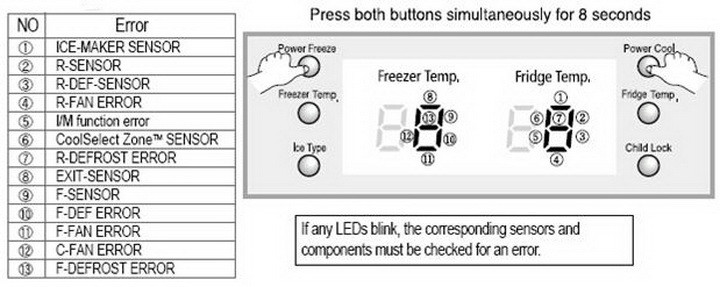
Error Codes Requiring Service
Samsung displays specific error codes when internal diagnostics detect problems:
– “22E” indicates temperature sensor failure
– “5E” points to evaporator fan issues
– “8E” signals main control board problems
Action Step: Note the exact error code and contact Samsung support with your model number (found on the interior wall of the refrigerator compartment).
Warranty Coverage Considerations
Most Samsung refrigerators include:
– 1-year limited warranty on parts and labor
– 5-7 year coverage on sealed system components
– Extended warranty options for critical parts
Time-Sensitive Tip: Document your freezer failure with photos and videos immediately—Samsung may require proof of issue for warranty claims, and delays could complicate your case.
Preventative Maintenance to Avoid Future Failures
Regular maintenance prevents most Samsung freezer failures:
Monthly Maintenance Routine
- Vacuum condenser coils (located at back or bottom front)
- Check door seals for proper closure and cleanliness
- Verify temperature settings remain at optimal levels
- Inspect interior for frost buildup behind panels
Seasonal Deep Maintenance
Every 3-4 months:
– Completely defrost if frost exceeds ¼ inch thickness
– Clean drain holes with pipe cleaner to prevent clogs
– Check water filter replacement indicator (if applicable)
– Level the refrigerator to ensure proper door sealing
Pro Tip: Keep a freezer thermometer visible at all times—it provides early warning of temperature fluctuations before food spoilage occurs.
Final Troubleshooting Checklist Before Service Call
Before scheduling professional repair, complete this verification:
- [ ] Power supply confirmed working properly
- [ ] Temperature settings verified at appropriate levels
- [ ] Control panel reset according to Samsung specifications
- [ ] Evaporator fan checked for operation and obstructions
- [ ] Defrost system components inspected for frost buildup
- [ ] Error codes documented with model number
- [ ] Warranty status confirmed
Understanding why your Samsung freezer stopped working while the refrigerator continues functioning empowers you to address the issue appropriately. Most problems stem from simple causes like power interruptions, incorrect settings, or frost buildup rather than catastrophic failures. By methodically working through these diagnostic steps, you’ll either resolve the issue yourself or provide technicians with precise information to expedite professional repairs. Remember that Samsung freezers typically require 24-48 hours to stabilize after repairs—don’t panic if cooling doesn’t return immediately after fixing the underlying problem. Regular maintenance remains your best defense against future failures, preserving both your appliance’s longevity and your frozen food investment.