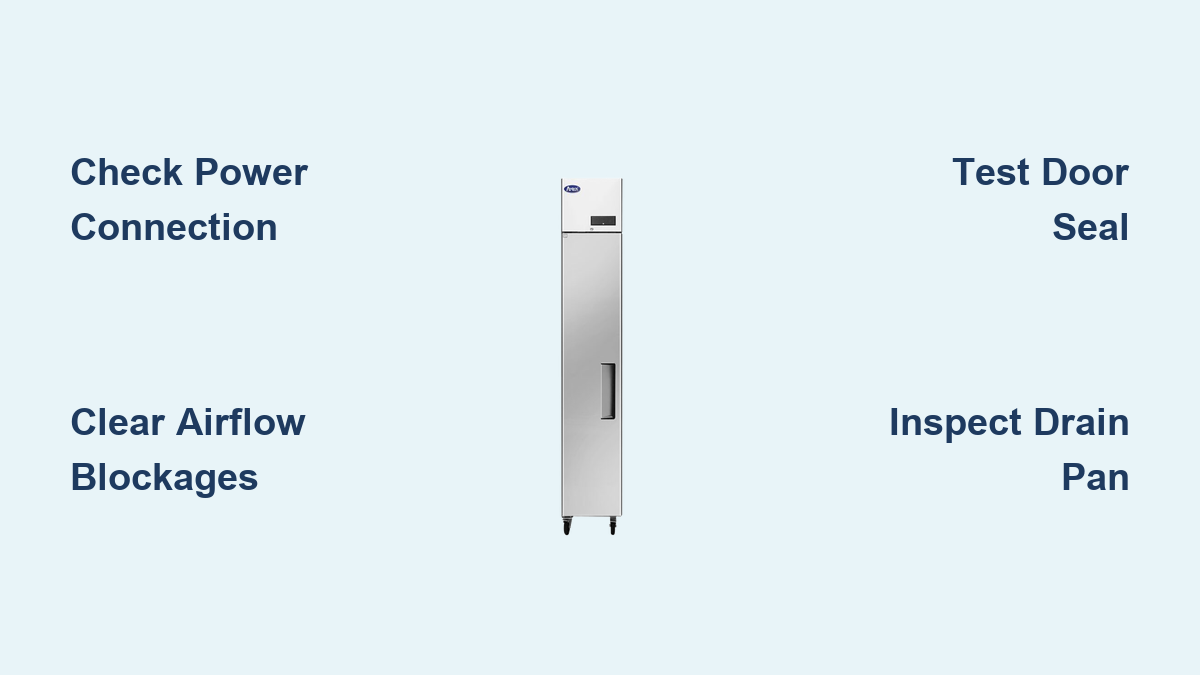
Atosa Freezer Troubleshooting Guide
Your Atosa freezer suddenly isn’t maintaining proper temperatures, threatening food safety and bringing kitchen operations to a halt. These commercial refrigeration units, designed for heavy-duty use in restaurants and food service environments, can develop issues ranging from simple power problems to complex mechanical failures. This Atosa freezer troubleshooting guide provides the systematic approach you need to diagnose and resolve common problems without immediately calling a service technician. You’ll learn to identify whether your issue has a quick DIY solution or requires professional intervention, saving valuable time and money while protecting your inventory.
Commercial kitchens rely on consistent freezer performance, and understanding how these units work empowers you to make informed decisions about maintenance and repairs. Atosa equipment combines aesthetic design with functional performance, but like all mechanical systems, it eventually encounters problems. Whether your unit won’t cool properly, leaks water, makes strange noises, or displays error codes, this guide walks you through logical diagnostic procedures from basic checks to more advanced troubleshooting techniques.
Power Connection Problems Check First
When your Atosa freezer shows no signs of life—no lights, no fan noise, no cooling—the electrical power system should be your first investigation area. Power-related issues account for a surprisingly large percentage of service calls, yet many have quick fixes that don’t require specialized skills.
Verify Power Switch and Connection Status
Before assuming mechanical failure, confirm your unit is actually receiving power through its intended operating controls. Many Atosa freezers feature illuminated power switches on their control panels or side surfaces that provide immediate visual confirmation. If no indicator light is visible and the unit appears completely inert, locate the designated power switch and ensure it’s activated. Some units require the switch to be flipped to “on” before operational functions respond, eliminating the simplest explanation before proceeding further.
Test Outlet Functionality with Multimeter
Don’t assume the outlet is working—test it properly to avoid misdiagnosis. Examine where the power cord enters the back of the unit, pushing the plug firmly into the receptacle to eliminate loose connections. Use a multimeter to measure voltage at the outlet, which should read 120 volts for standard commercial outlets in the United States. Testing with another device like a lamp can confirm outlet functionality, but a multimeter provides definitive voltage verification that prevents wasted troubleshooting time.
Inspect Cord for Hidden Damage
Commercial kitchen environments subject power cords to significant wear and tear. Inspect the entire length carefully for fraying, cuts, exposed wiring, or damage to plug prongs. Any cord showing visible damage should be replaced immediately by a qualified technician rather than attempting temporary repairs with tape, which creates fire hazards and voids warranty coverage. Pay special attention to areas where the cord bends near the plug or where it enters the unit, as these spots typically show damage first.
Fix Temperature Not Reaching Set Point

Temperature-related problems represent among the most common issues for Atosa refrigeration equipment. Systematic diagnosis helps pinpoint whether the cause is environmental, mechanical, or electronic.
Clear Airflow Blockages Immediately
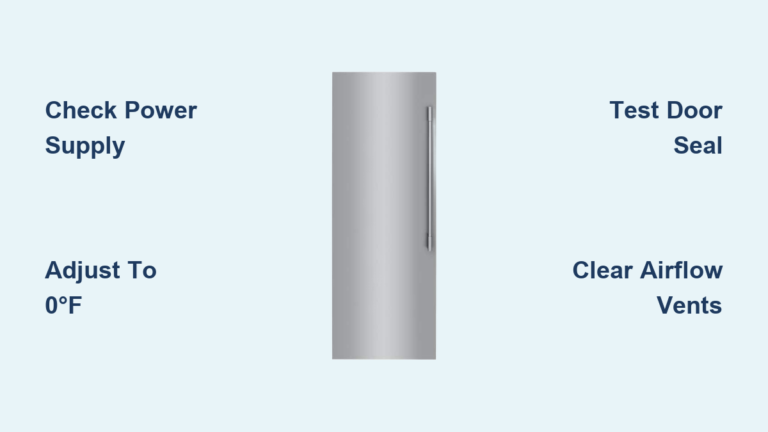
Examine your freezer interior to ensure no items are blocking ventilation pathways, particularly around rear vents and fan housings. In busy commercial kitchens, stored products often shift against vents during regular operations, gradually restricting airflow without notice until cooling problems develop. Remove obstructions and reorganize items to maintain clear ventilation throughout the unit—this simple fix resolves many perceived cooling problems.
Test Door Seal Integrity with Paper Method
Thoroughly inspect the door gasket to confirm complete contact with the cabinet frame throughout its entire perimeter. Clean seal surfaces with a damp cloth to remove debris or grease that might compromise sealing. When closing the door on a sheet of paper positioned around the seal, the paper should resist removal equally in all locations, indicating consistent sealing pressure. Any gap allows warm air infiltration that places continuous thermal stress on the compressor system.
Perform Complete Defrosting Cycle
Significant ice accumulation around vents often indicates a door seal problem where moisture-laden air enters and freezes on cold surfaces. Empty the unit completely, unplug it, and leave doors fully open for at least 24 hours to allow all ice to melt completely. During defrosting, clean interior surfaces with a bleach-water solution to prevent mildew growth. After defrosting, allow several hours of continuous operation while monitoring temperature descent.
Solve Evaporator Fan Failure Issues
Evaporator fan problems prevent proper cold air circulation, resulting in temperature stratification and potential compressor damage. Diagnosing fan issues requires understanding your specific Atosa model’s configuration.
Identify Direct Wire Configuration
Many Atosa units configure evaporator fans with direct wiring to supply terminals, meaning fans run continuously whenever plugged in rather than being controlled through thermostatic circuits. This is common in larger countertop coolers and six-foot units with multiple evaporator fans. If your fans don’t operate but the compressor seems functional, the issue likely lies in wiring or connections between power supply and fans rather than control system components.
Test Voltage at Motor Terminals Correctly
When troubleshooting evaporator fan failures, verify voltage presence directly at motor terminals—upstream tests can’t confirm actual power delivery. Use a voltmeter to measure between appropriate conductors at motor connection points, not using ground as reference, which produces misleading readings. If voltage is present but the fan doesn’t operate, the motor has failed. If no voltage is present, the issue lies in the wiring circuit between power supply and fan.
Stop Water Leaks and Drainage Problems

Water accumulating around your Atosa freezer indicates drainage system problems requiring prompt attention to prevent slip hazards, floor damage, and potential electrical issues.
Inspect Drain Pan for Damage
The drain pan collects condensation from the defrost system and can become cracked or warped over time. Inspect carefully for visible damage and verify proper positioning beneath cooling components. A damaged drain pan allows water to escape the intended collection pathway, resulting in pooling beneath the unit. Replacement drain pans are available through Atosa parts suppliers—damaged units should be replaced rather than repaired.
Clear Drain Outlet Blockages Completely
Drain outlets carrying condensation to external drainage points can become obstructed with debris, ice, or biological growth. Clear visible obstructions using appropriate tools, being careful not to damage the drainage pathway. For severe blockages resisting simple clearing, professional service may be required to completely clear the system and ensure proper function.
Verify Unit Leveling for Proper Drainage
An improperly leveled unit causes condensate to flow in unexpected directions. Verify your Atosa freezer sits level in all directions using a bubble level placed on top, checking both front-to-back and side-to-side orientation. Adjust leveling feet as necessary to achieve level positioning, which ensures drainage systems function as designed. Units should be positioned on stable surfaces that won’t shift during operation.
When to Call Authorized Service
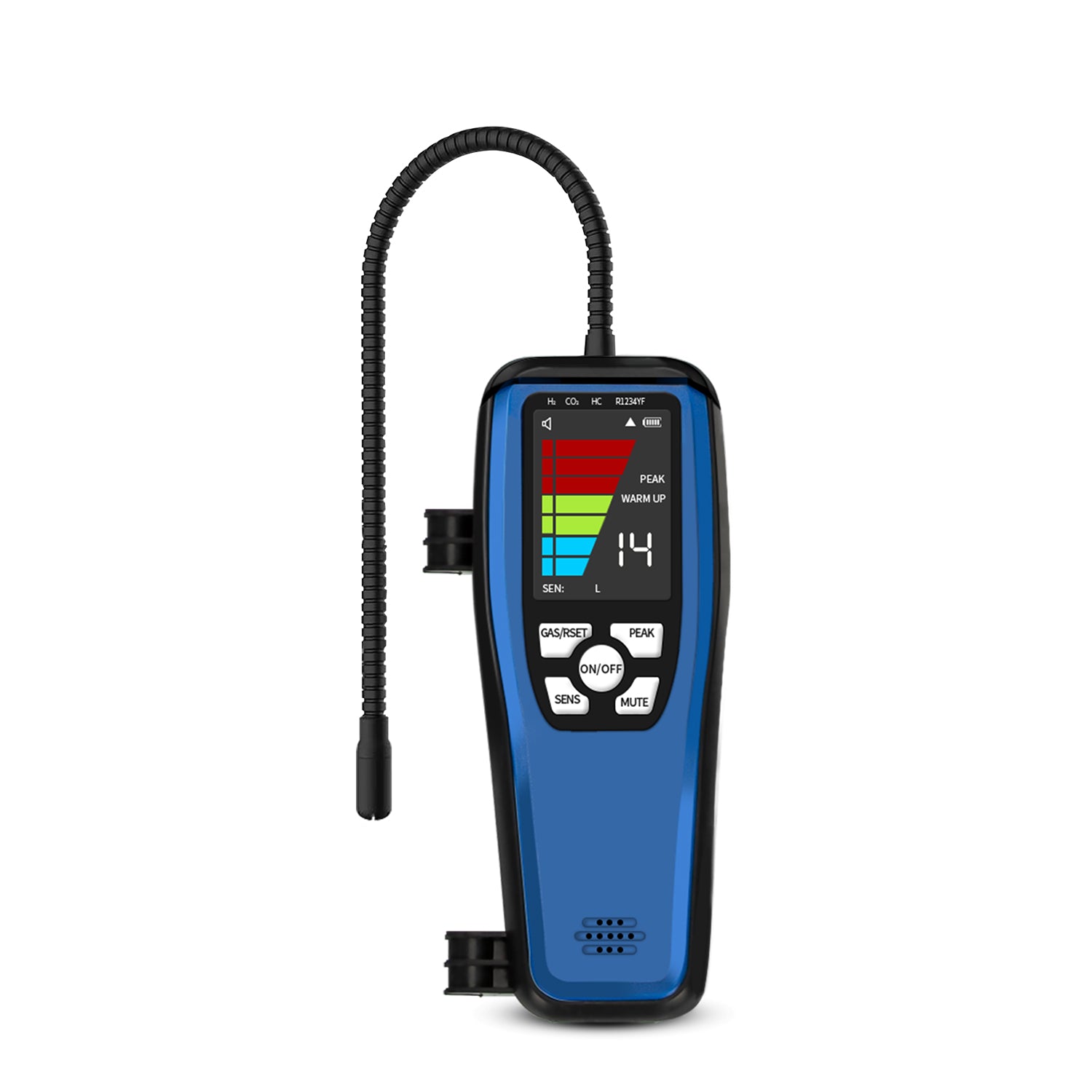
Certain repairs require certified technicians with appropriate tools and access to genuine parts. Recognizing when professional intervention is necessary prevents further damage.
Refrigerant System Issues Require Certification
Refrigerant leaks and associated cooling problems need professional repair involving system evacuation, leak identification, and recharging. Look for oily substances around compressor connections—oil presence outside fittings suggests refrigerant leaks that worsen over time. Environmental regulations governing refrigerant handling mean these repairs should only be performed by certified technicians.
Compressor Failure Shows Specific Symptoms
Compressor failure manifests through no cooling despite normal electrical function, abnormal temperatures, or unusual noises from the compressor area. The compressor should become warm to hot during operation—touch it carefully to assess temperature. An abnormally hot compressor may indicate system problems, while one remaining cool despite extended run times suggests mechanical failure. Within warranty periods, compressor failure may be covered under extended manufacturer warranty.
Extend Atosa Freezer Lifespan with Regular Maintenance
Establishing routine maintenance habits significantly extends service life while preventing costly breakdowns.
Monthly Inspection Checklist
Monthly maintenance should include:
– Visual examination of condenser coils for dust accumulation
– Verification of door seal condition using the paper test
– Listening for unusual sounds during operation
– Confirming proper temperature performance with independent thermometer
Document findings to identify developing trends and support warranty claims. Early identification of problems allows timely intervention before complete failure occurs.
Environmental and Placement Best Practices
Position Atosa units away from external heat sources like cooking equipment, ovens, or direct sunlight. Maintain recommended clearances for adequate airflow, particularly at the rear where heat dissipation occurs. Proper placement reduces refrigeration system workload and contributes to longer component life.
Following this systematic Atosa freezer troubleshooting approach helps you efficiently diagnose issues and determine whether professional service is required. Many problems resolve through owner-performed troubleshooting following logical diagnostic progression, while others need authorized technician intervention. Documenting symptoms, troubleshooting steps, and outcomes supports warranty claims and future maintenance planning, protecting your investment in commercial refrigeration equipment.