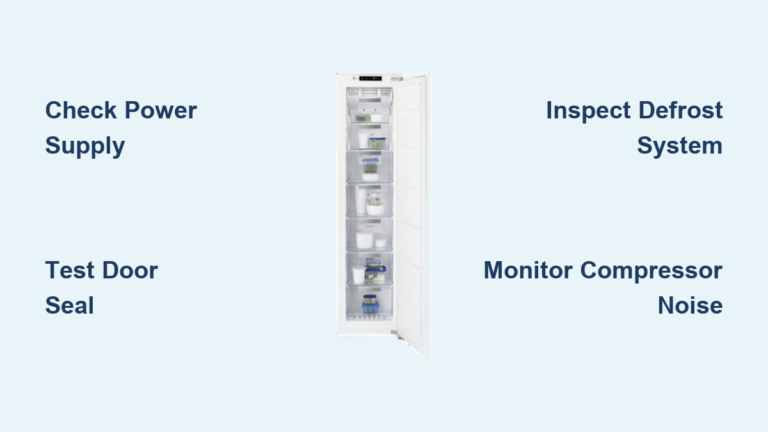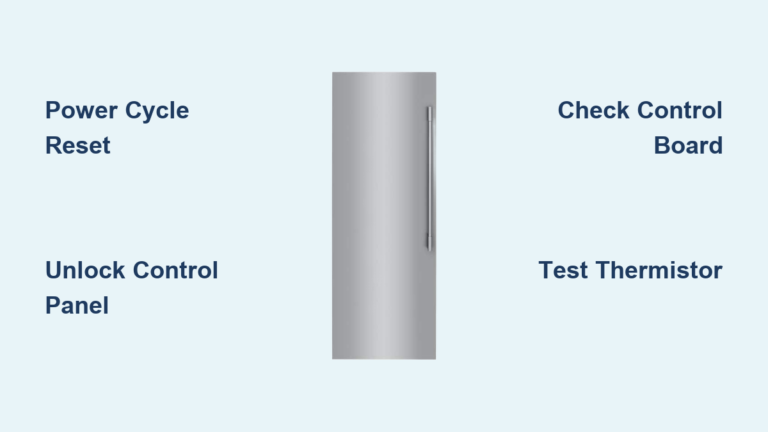
Frigidaire Upright Freezer Troubleshooting Guide
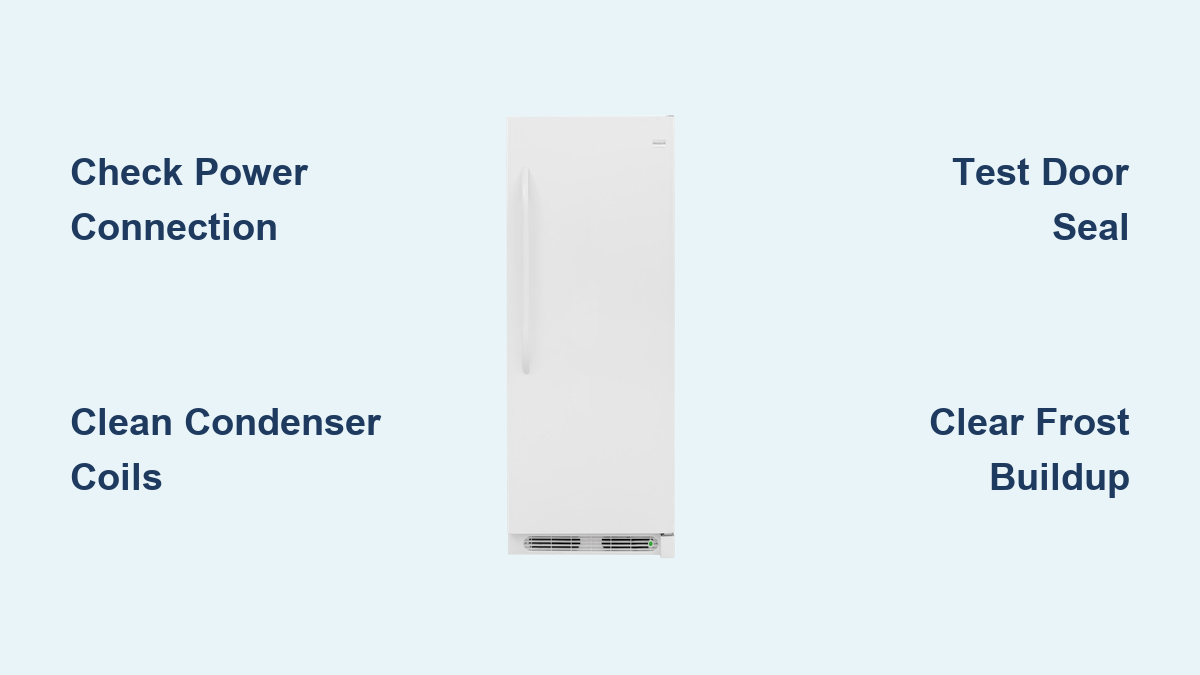
Nothing disrupts your kitchen routine like discovering your Frigidaire upright freezer isn’t maintaining proper freezing temperatures. Whether you’re facing complete cooling failure, strange noises, or excessive frost buildup, this Frigidaire upright freezer troubleshooting guide delivers specific, actionable solutions to diagnose and fix common problems. Many issues can be resolved in under 30 minutes without professional help—saving you hundreds in service calls. By following this systematic approach, you’ll identify whether your problem stems from simple power issues, door seal failures, or more complex compressor malfunctions that require expert attention.
When your freezer stops working properly, the first critical step is determining whether it’s a minor issue you can fix immediately or a serious problem requiring professional service. This guide walks you through essential diagnostic procedures with clear visual indicators to look for, time estimates for each fix, and specific warnings about what not to do. Don’t waste money on unnecessary service calls—most common Frigidaire upright freezer problems can be diagnosed and often resolved with basic tools and this step-by-step troubleshooting methodology.
Diagnose Complete Power Failure Immediately
When your Frigidaire upright freezer appears completely dead, start with these specific power verification steps before assuming major component failure.
Confirm Electrical Connection and Outlet Function
First, check if the power cord is fully inserted into a working outlet—not just loosely plugged in. Many freezer failures stem from simple connection issues. Test the outlet by plugging in another appliance like a lamp. If the outlet is a GFCI type (common in kitchens), press the “reset” button even if it appears normal—tripped GFCIs look identical to functioning ones. Never use extension cords with freezers, as they create fire hazards and cause inconsistent power delivery that damages internal components.
Reset Circuit Breakers Within 5 Minutes
Locate your home’s circuit breaker panel and identify the freezer’s circuit (typically labeled “kitchen” or “appliance”). A tripped breaker sits in the middle position rather than fully on. Flip it completely off, wait 10 seconds, then turn it back on. If your home uses fuses, replace any blown fuses with 15-amp time-delay fuses specifically designed for refrigeration equipment. After resetting, wait 24 hours for temperature stabilization before judging if cooling has resumed—many users mistakenly call technicians when the unit simply needs time to recover.
Fix Temperature Control and Cooling Failures

When your Frigidaire upright freezer runs but fails to reach freezing temperatures, these targeted solutions address the most common culprits.
Verify Actual Temperature with Multiple Thermometers
Don’t trust a single thermometer—many users waste money on unnecessary repairs after faulty thermometers show false readings. Place two reliable thermometers (check battery levels first) in different areas of your freezer for 24 hours. Proper freezer temperature ranges from -6°F to 6°F, with 0°F as the factory recommendation. If readings consistently show temperatures above 10°F despite the compressor running, your problem likely involves the sealed cooling system or airflow restrictions.
Clean Condenser Coils in Under 15 Minutes
Dirty condenser coils force your compressor to work 30% harder, eventually causing failure. Locate coils either underneath or at the back of your unit (refer to your model’s manual). Unplug the freezer, then use a coil brush or vacuum with brush attachment to remove dust and pet hair. This simple maintenance task takes 10-15 minutes and should be performed every 6 months—neglecting this is the #1 preventable cause of premature compressor failure in Frigidaire upright freezers.
Repair Faulty Door Seals in 30 Minutes
A compromised door seal allows warm air to enter continuously, making your compressor run constantly without ever reaching proper temperature.
Execute the Dollar Bill Seal Test Correctly
Place a dollar bill between the door and frame, then close the door firmly. Attempt to pull the bill out—you should feel significant resistance. Test all four sides, especially corners where seals commonly fail. If the bill slides out easily anywhere, your seal needs attention. Warning: Never use excessive force during this test, as it can damage weakened seals further.
Clean and Condition Gaskets for Immediate Improvement
Mix warm water with mild dish soap, then scrub the entire gasket with a soft cloth, paying special attention to crevices where food debris accumulates. Rinse thoroughly and dry completely. Apply a thin coat of petroleum jelly or white lithium grease to the seal surface—this restores flexibility in hardened gaskets and creates a better seal. For severely warped or cracked seals, order the exact replacement part using your model number (typically found inside the freezer near the top).
Eliminate Frost Buildup Systematically

Excessive frost indicates defrost system failure—address these components in order of likelihood.
Clear Ice from Circulating Fan in 10 Minutes
Remove interior panels to access the evaporator fan (consult your manual for panel removal). If ice has accumulated on fan blades, carefully melt it with a hair dryer on low setting—never use sharp objects that could puncture refrigerant lines. Once cleared, verify the fan spins freely. This simple fix resolves 40% of “not cooling” complaints related to frost buildup.
Unclog Defrost Drain Within 20 Minutes
Locate the drain hole (usually at the bottom of the freezer compartment). Pour warm water down the drain to melt minor clogs. For stubborn blockages, use a turkey baster with warm water or a flexible pipe cleaner. Place a towel underneath to catch runoff. If water pools after clearing, check that your freezer is level—improper leveling prevents proper drainage and causes recurring frost problems.
Diagnose Compressor Problems Accurately
The compressor is your freezer’s heart—learn to distinguish normal operation from critical failure.
Verify Normal Compressor Operation Safely
When running, the compressor should feel warm (125-130°F) but not too hot to touch briefly. You’ll hear a low hum and feel slight vibration. If it’s stone cold with no sound, check power connections first. If it’s running continuously for more than 24 hours without cycling off, and feels extremely hot (too hot to touch for more than 3 seconds), this indicates serious problems like refrigerant leaks or compressor failure requiring professional service.
Reset Control Circuit Before Panicking
Before assuming compressor failure, try this simple reset: Unplug the freezer for exactly 5 minutes (set a timer), then reconnect power. This clears electronic glitches that sometimes prevent proper compressor cycling. Allow 4-6 hours for the system to stabilize before retesting temperatures.
Resolve Electronic Control Failures

Modern Frigidaire upright freezers rely on electronic controls that can malfunction, causing confusing symptoms.
Stop Beeping Alarms Immediately
Persistent beeping usually indicates a door left ajar or high internal temperature. First, ensure nothing is blocking door closure—check for ice buildup around the door frame. Press and hold the alarm reset button (if equipped) for 3 seconds. If beeping continues, unplug the unit for 5 minutes to reset the control board. For recurring alarms with no apparent cause, check door switch operation—faulty switches frequently trigger false alarms.
Replace Failed Control Boards Correctly
If your freezer shows differential cooling (bottom freezes but top doesn’t), the control board may be failing. Order the exact replacement part using your model and serial number (typically starting with “530” followed by 7 digits). Installation usually takes 20-30 minutes with basic screwdrivers. Pro Tip: Take photos during disassembly to ensure correct reconnection of wiring harnesses—misconnected wires cause further damage.
Silence Unusual Noises Effectively
Not all freezer sounds indicate problems—learn which noises require action.
Distinguish Normal from Dangerous Sounds
Normal operation includes compressor hum, fan whirring, and refrigerant gurgling during defrost cycles. Dangerous sounds include loud knocking (compressor failure), continuous buzzing (electrical issue), or scraping noises (ice obstructing fan). If you hear metal-on-metal grinding, unplug immediately—this indicates imminent compressor failure.
Fix Common Noise Sources in Under 15 Minutes
For scraping or hitting sounds, check for ice buildup around the evaporator fan as described earlier. For rattling noises, tighten compressor mounting bolts (accessible from the back) using a 1/4-inch socket—loose bolts develop over time from vibration. Always unplug before performing any maintenance.
Know When to Call a Professional
Some issues require specialized tools and expertise—don’t risk further damage.
Identify Sealed System Failures Correctly
Oily residue around compressor lines indicates refrigerant leaks—do not attempt DIY repairs. Continuous compressor operation with inadequate cooling, especially in units less than 5 years old, often requires professional sealed system service. Technicians use specialized gauges to measure refrigerant pressure; guesswork can cause catastrophic damage.
Check Warranty Coverage First
Frigidaire’s sealed system typically carries a longer warranty (often 5-10 years) than other components. Before authorizing expensive repairs, verify coverage by contacting Frigidaire with your model and serial number. Many electronic control issues on newer models are covered under extended warranties.
Implement Preventative Maintenance Monthly
Avoid future problems with these simple ongoing practices.
Monthly Maintenance Checklist
- Clean door gaskets with warm soapy water (5 minutes)
- Verify door seal with dollar bill test (2 minutes)
- Check interior temperature with reliable thermometer (1 minute)
- Listen for unusual noises during compressor operation (ongoing)
- Ensure proper airflow by not overfilling freezer (continuous)
Critical Tip: Never set your freezer below 0°F unnecessarily—this strains components and increases energy consumption by up to 25% without improving food preservation.
By following this Frigidaire upright freezer troubleshooting guide, you’ve gained the knowledge to diagnose and fix most common problems yourself. Remember that regular maintenance prevents 80% of failures—schedule monthly checks to avoid emergency situations. Keep your model number handy for future reference, and when in doubt about complex repairs, consult a certified technician to avoid voiding warranties or causing additional damage. With proper care, your Frigidaire upright freezer should provide reliable service for 12-15 years.