Average Fridge Freezer Width: Standard Sizes Guide
Trying to replace your aging refrigerator only to discover it won’t fit through your doorway? You’re not alone. The average fridge freezer width has become a critical measurement for homeowners remodeling kitchens or replacing appliances, as modern units often push the limits of standard home dimensions. Understanding that most full-size refrigerators measure exactly 36 inches wide prevents costly mistakes during purchase and installation. This seemingly simple number represents the industry standard across French door, side-by-side, top freezer, and bottom freezer configurations—yet knowing why this specific width dominates the market and when alternatives make sense requires deeper understanding of kitchen spatial dynamics.
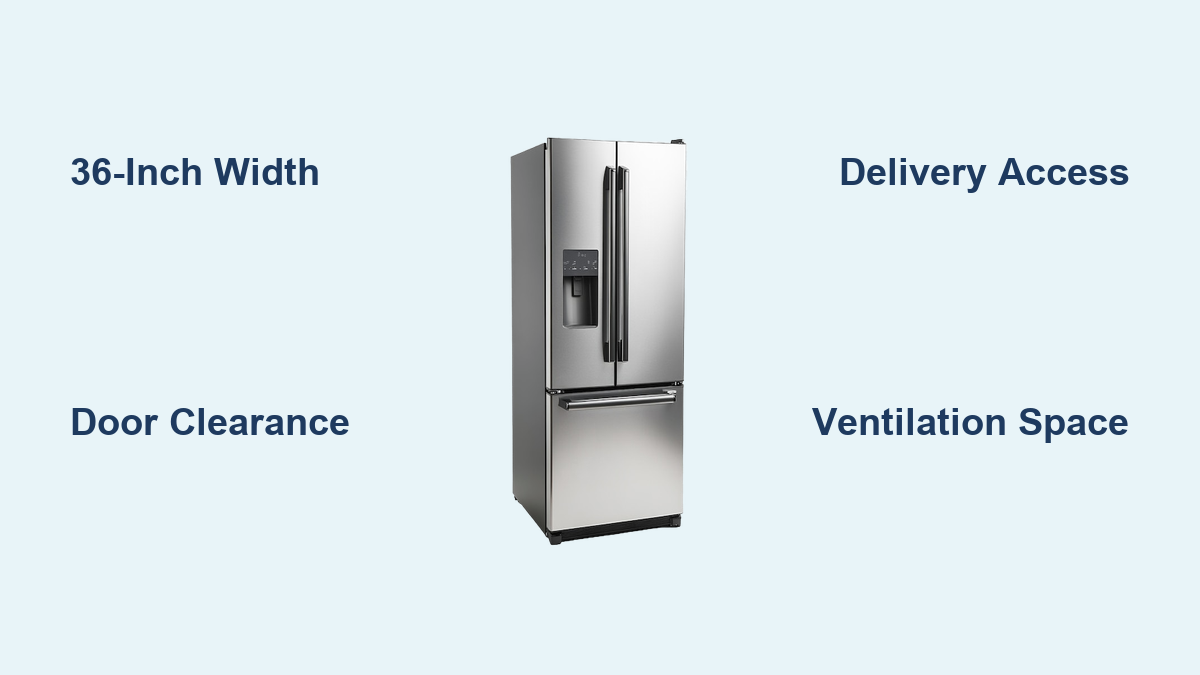
When planning your refrigerator purchase, don’t just measure the space where you want it to go—account for delivery access, door swing clearance, and ventilation requirements that interact with the average fridge freezer width. The 36-inch dimension didn’t become standard by accident; it aligns perfectly with typical kitchen cabinet configurations while maximizing storage capacity within practical spatial constraints. This guide breaks down width specifications across every refrigerator type so you can select the perfect fit for your kitchen layout, household size, and storage needs without unpleasant surprises during installation.
Standard Fridge Freezer Widths Across Popular Configurations
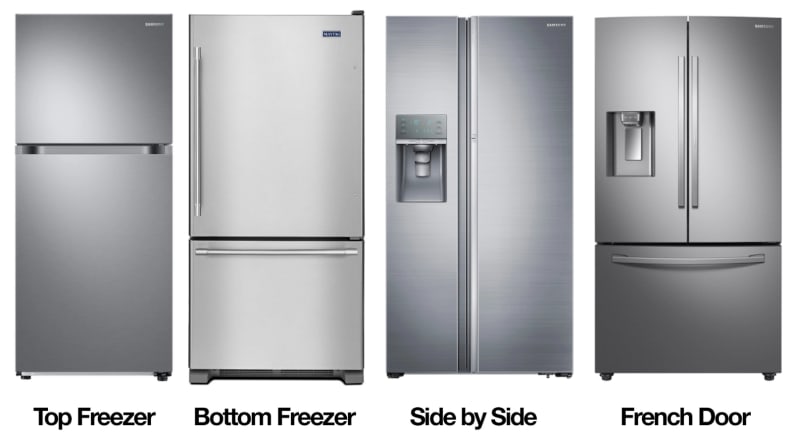
The 36-inch average fridge freezer width dominates the full-size refrigerator market for good reason—it delivers optimal storage capacity while fitting within standard kitchen layouts. French door models, now the most popular configuration, consistently maintain this 36-inch width across mainstream brands like Samsung, LG, and Whirlpool. These units provide 20 to 30 cubic feet of total capacity, with the exact volume varying based on height and interior design efficiency. The wide refrigerated section accommodates large platters and trays that won’t fit in narrower configurations, making this width ideal for households that entertain frequently.
Side-by-side refrigerators also center on the 36-inch average fridge freezer width standard, though their vertical door division creates different spatial considerations. This configuration requires less depth clearance when opening doors compared to French door models, making it suitable for galley kitchens where lateral space is available but depth is limited. Standard side-by-side models deliver 20 to 25 cubic feet of combined capacity, with the freezer section typically narrower than the refrigerated compartment due to insulation requirements.
Top Freezer Units: Traditional Widths with Maximum Value
Top freezer refrigerators maintain the 36-inch average fridge freezer width while offering the most affordable entry point into full-size refrigeration. These traditional units provide 18 to 25 cubic feet of total capacity, with the freezer compartment positioned above the refrigerator section. The consistent 36-inch width across brands makes replacement straightforward when upgrading from an older model, and the vertical layout creates efficient storage organization for many households. When measuring your space, remember that top freezer configurations require the most door swing clearance—typically 40 to 48 inches—due to the wide refrigerator door swinging outward.
Compact Fridge Freezer Widths for Space-Constrained Kitchens
For apartments, dorms, or secondary refrigeration needs, compact models offer reduced width specifications that maintain essential functionality. The most common compact width spans 24 to 30 inches, with 30-inch models representing the sweet spot between space efficiency and usable capacity. These units typically provide 10 to 18 cubic feet of combined storage, sufficient for individuals or couples but often requiring careful organization for larger households. When choosing a compact refrigerator, verify that the reduced width still accommodates your typical food packaging—many standard grocery containers won’t fit in ultra-narrow 24-inch models.
Mini Refrigerators: Specialized Widths for Specific Applications
Mini refrigerators designed for bedrooms, offices, or entertainment areas feature widths ranging from 17 to 24 inches, with 20 inches representing the most common dimension. These compact units typically offer 1.7 to 3.5 cubic feet of refrigerated space without freezer compartments, making them ideal for beverages and snacks but inadequate as primary food storage. Counter-height compact models designed for under-counter installation maintain the standard 24-inch width to integrate seamlessly with kitchen cabinetry, bridging the gap between miniature units and full-size appliances.
Premium Wide Refrigerators: Beyond the Standard 36-Inch Width
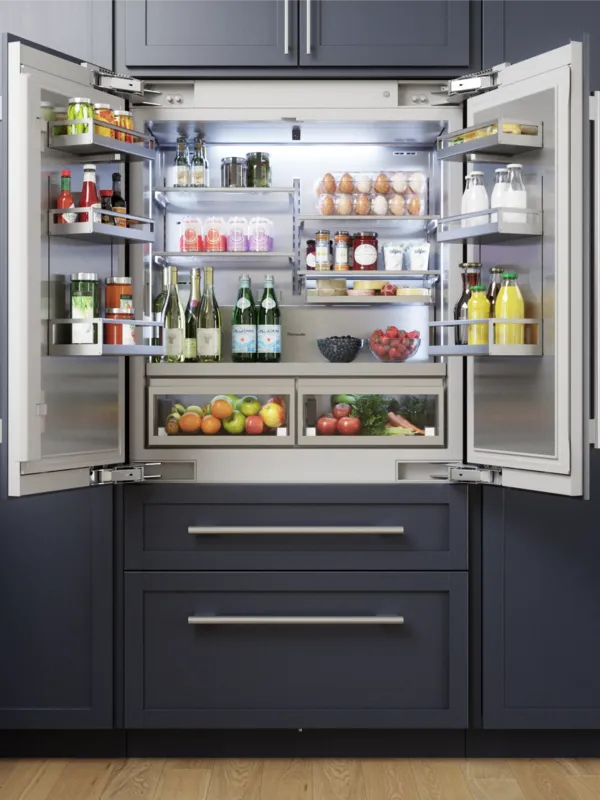
Luxury kitchen designs and large households often require expanded capacity through wider configurations. The 42-inch average fridge freezer width represents the most common premium specification, providing meaningful capacity increases while remaining manageable within typical kitchen dimensions. These wider units frequently exceed 30 cubic feet of storage and incorporate advanced features like temperature-controlled drawers and enhanced filtration systems. Before selecting a 42-inch model, verify that your kitchen layout provides adequate side clearance (minimum 0.5 inch per side) and that doorways can accommodate the wider footprint during delivery.
48-Inch Professional Units: The Ultimate in Kitchen Refrigeration
Ultra-wide 48-inch refrigerator configurations serve high-end residential applications where kitchen size permits and storage demands justify the expanded footprint. Brands like Sub-Zero, Wolf, and Viking produce these professional-grade units with capacities often exceeding 35 cubic feet, featuring commercial-grade construction and aesthetic treatments matching luxury cabinetry. The investment in a 48-inch width makes sense only when your actual storage requirements benefit from additional width—don’t choose a larger unit simply because space is available. These substantial appliances require careful planning for delivery access, as standard 32-inch interior doorways create significant clearance challenges.
Measuring for Your Space: Critical Width Considerations
Understanding how the average fridge freezer width interacts with your kitchen’s spatial constraints prevents installation nightmares. Standard interior doorways measure only 32 inches wide—narrower than the 36-inch width of most full-size refrigerators—creating potential delivery complications. Before purchasing, measure all potential access paths including hallways, stairwells, and corners where the unit must navigate turns. Professional delivery services often employ specialized techniques like diagonal positioning and temporary door removal to overcome these clearance challenges.
Door Swing Clearance: The Hidden Space Requirement
Many homeowners focus solely on the refrigerator’s footprint but overlook critical door swing requirements. A standard 36-inch French door refrigerator typically needs 36 to 40 inches of clear opening width when doors are fully opened to 90 degrees, accounting for door thickness and handle extension. Side-by-side configurations require approximately 36 to 42 inches of clearance, while top freezer models demand the most space at 40 to 48 inches. Measure your kitchen’s traffic patterns to ensure adequate clearance when doors are open—nothing frustrates more than a refrigerator you can’t fully access.
Brand-Specific Width Variations You Need to Know
Major manufacturers maintain consistent width standards while offering specialized options. Samsung and LG utilize 36-inch widths across mainstream French door and side-by-side product lines, with counter-depth variants matching this width while reducing depth projection. Whirlpool’s full-size offerings emphasize the industry-standard 36-inch width across all configurations, while their compact options span 24, 28, and 30 inches. Premium manufacturers like Sub-Zero offer the full width spectrum from standard 36-inch configurations through 42-inch and 48-inch professional-grade units, with built-in models spanning 30, 36, 42, and 48-inch widths for custom cabinetry integration.
Capacity per Inch: How Width Translates to Storage Space
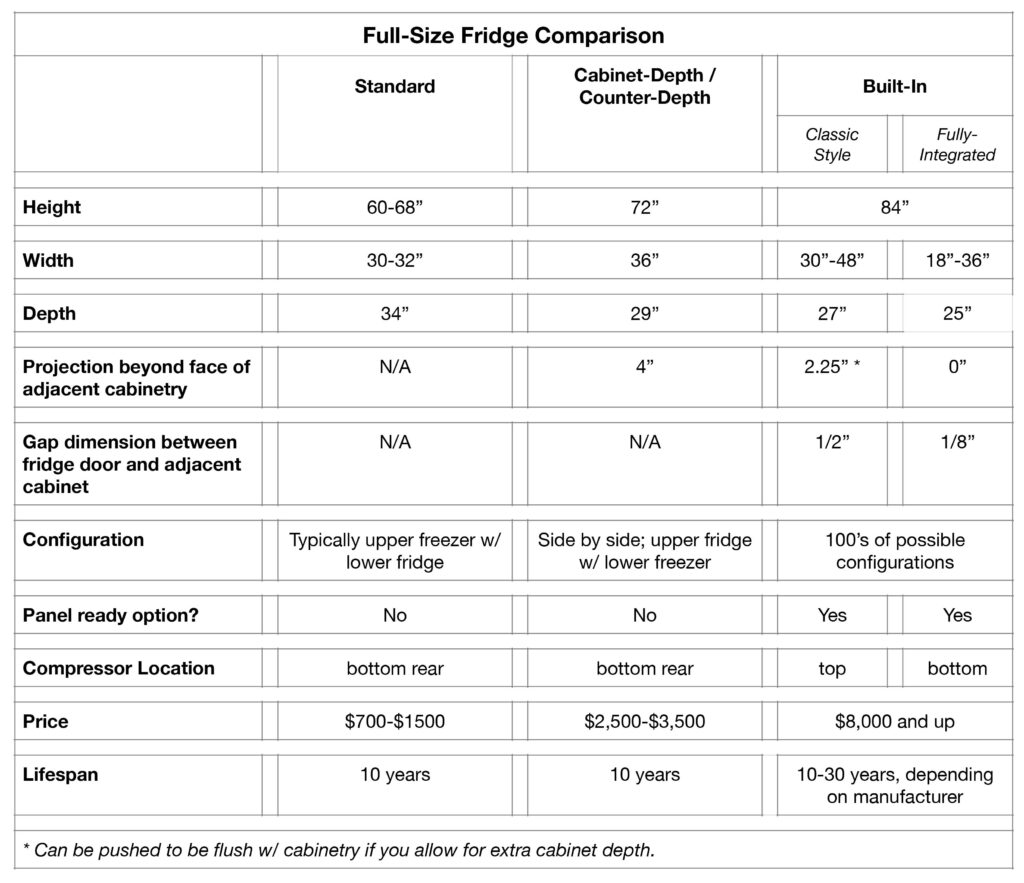
The relationship between average fridge freezer width and storage capacity provides valuable comparison metrics across configurations. French door refrigerators typically deliver 0.55 to 0.85 cubic feet per inch of width, meaning a 36-inch unit provides 20 to 30 cubic feet of total capacity. Side-by-side configurations yield 0.55 to 0.70 cubic feet per inch, with 36-inch units providing 20 to 25 cubic feet. Top freezer refrigerators demonstrate 0.50 to 0.70 cubic feet per inch, delivering 18 to 25 cubic feet from the standard width. These ratios help compare efficiency across brands and configurations, though interior layout significantly impacts usable space beyond raw cubic footage.
Selecting Your Perfect Fridge Freezer Width: A Practical Guide
Choosing the right average fridge freezer width requires balancing multiple factors beyond simple space availability. For most households, the 36-inch standard provides optimal capacity while fitting within typical kitchen dimensions and doorway clearances. Compact alternatives at 24 to 30 inches serve space-constrained applications where standard widths cannot accommodate spatial limitations, though these choices require careful attention to whether capacity meets actual household needs. Wide-format configurations at 42 to 48 inches address luxury residential and large-household requirements where expanded capacity justifies the increased footprint and premium pricing.
When planning your refrigerator purchase, measure not just the space where you want it to go but also all potential delivery paths. Verify that your kitchen layout provides adequate side clearance (0.5-1 inch per side), rear clearance (1 inch), and top clearance (1 inch) for proper ventilation. Consider your household’s actual storage patterns rather than simply filling available space—over-purchasing capacity wastes energy and reduces usable kitchen space, while under-purchasing leads to frustration and potential food waste. The ideal average fridge freezer width optimizes your specific situation rather than simply matching industry standards or neighboring appliances.